Contents11 sections
After about age 50, the body gets slower at building and repairing muscle. Left unchecked, this leads to sarcopenia: the age-related loss of muscle mass, strength and function that affects balance, mobility and independence. Protein is one of the two main levers that slow it down. Resistance training is the other.
Whole foods such as eggs, fish, dairy, meat and legumes should come first. But many older adults struggle to eat enough protein because of a smaller appetite, chewing problems or slower digestion. That is where a protein supplement helps: it is an easy way to add 20-30 g of protein to a meal or snack.
This guide covers how much protein older adults need according to expert groups such as PROT-AGE, why the dose per meal matters, which types of protein powder suit seniors best, how to pair protein with strength training, and who should check with a doctor first.
Key Takeaways
- Expert groups such as PROT-AGE recommend 1.0-1.2 g of protein per kg of body weight a day for healthy adults over 65, more than the 0.8 g/kg RDA.
- Older muscle needs a bigger dose to respond: about 25-30 g of protein per meal (roughly 2.5-2.8 g of leucine), spread over three meals.
- Whey isolate is the best-studied, leucine-rich option; casein, egg, beef and pea-rice blends also work. Collagen is an incomplete protein and should not be your main source.
- Protein works best with resistance training. Supplements alone have shown small or mixed effects on muscle in older adults.
- Protein supplements are safe for most healthy older adults, but people with advanced kidney disease need medical advice before raising protein.
Why Protein Matters More as You Age
As we age, the body slowly loses muscle and becomes less responsive to the signals that build it, including the protein we eat. The loss of muscle mass, strength and function is called sarcopenia. Without enough protein intake, it tends to progress faster, and the result is weakness, more falls and slower recovery from illness or injury.
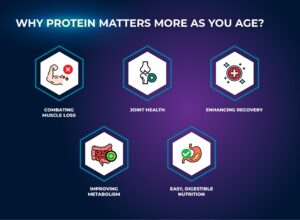
Combating Muscle Loss (Sarcopenia)
Muscle mass declines by roughly 3-8% per decade from about age 30, and the rate speeds up after 60. Protein supplies the essential amino acids that switch on muscle protein synthesis, which helps preserve lean mass and strength. That matters for everyday tasks: getting up from a chair, climbing stairs and staying steady on your feet.
Supporting Bone Health
Protein is part of bone as well as muscle. Higher protein intake is linked with slightly higher bone mineral density in older adults, especially when calcium and vitamin D intake are adequate, and the old worry that protein weakens bones has not held up. Whether extra protein lowers fracture risk is less clear.
Recovery and Immunity
Older adults often recover more slowly after illness, surgery or a hospital stay, and even a short period of bed rest costs muscle. Protein supports tissue repair and immune function, so a low intake slows recovery. A protein shake is a practical way to fill the gap when appetite is poor.
Weight Management
Protein is the most filling macronutrient and takes the most energy to digest. During weight loss, a higher protein intake helps protect muscle, which matters even more for older adults. For people who already eat too little, that fullness is a drawback, and small, protein-dense servings work better than large meals.
Easy Nutrition When Appetite Is Low
Many older adults have a smaller appetite or digestive discomfort. A shake made with whey isolate or a hydrolyzed protein is easy to drink and adds 20-30 g of protein without a heavy meal. Protein powder can also be stirred into milk, oatmeal or yogurt to raise the protein of foods people already eat.
Understanding Protein Needs in the Elderly
Aging blunts the muscle-building response to protein, a change called anabolic resistance. Older adults still digest and absorb protein, but their muscle needs more protein, and more leucine, at each meal to get the same response as younger muscle.
How Much Protein Do Older Adults Need?
The Recommended Dietary Allowance (RDA) for protein is 0.8 g per kg of body weight a day for all adults. Many researchers think this is too low for older people. The PROT-AGE Study Group, an international panel of geriatric and nutrition experts, recommends 1.0 to 1.2 g of protein per kg a day for healthy adults over 65, 1.2-1.5 g/kg for those with an acute or chronic illness, and up to 2.0 g/kg for severe illness, injury or malnutrition. The European nutrition society ESPEN gives similar targets.
Example: a 70 kg (154 lb) older adult should aim for 70-84 g of protein a day at 1.0-1.2 g/kg, or up to about 105 g at 1.5 g/kg while recovering from illness, spread evenly across meals.
| Body weight | 1.0 g/kg a day | 1.2 g/kg a day | Per meal (about 0.4 g/kg) |
|---|---|---|---|
| 50 kg (110 lb) | 50 g | 60 g | 20 g |
| 60 kg (132 lb) | 60 g | 72 g | 24 g |
| 70 kg (154 lb) | 70 g | 84 g | 28 g |
| 80 kg (176 lb) | 80 g | 96 g | 32 g |
| 90 kg (198 lb) | 90 g | 108 g | 36 g |
These targets are total protein from food and supplements together. A supplement only needs to cover the gap between what you already eat and your target.
The Dose per Meal and the Leucine Threshold
Older muscle has a higher threshold before protein synthesis switches on. PROT-AGE suggests 25-30 g of protein per meal, containing about 2.5-2.8 g of leucine, the amino acid that acts as the main trigger. An analysis of protein-dose studies by Moore and colleagues found that older men needed about 0.4 g of protein per kg of body weight in a meal for the maximal muscle-building response, compared with about 0.24 g/kg in young men.
Leucine is a big part of the reason. In a study of older adults by Katsanos and colleagues, a small essential amino acid drink with 26% leucine did not raise muscle protein synthesis, while the same amount with 41% leucine did. Whey is naturally high in leucine, which is one reason it performs well in these studies.
In practice, many older adults eat a small breakfast, a modest lunch and most of their protein at dinner. Moving 20-30 g to breakfast, for example with eggs, Greek yogurt or a shake, is often the easiest fix.
Why Do Elderly Need More Protein?
With age, several things change how the body handles protein:
- Anabolic resistance: muscle becomes less responsive to protein, so a bigger dose is needed to switch on muscle building.
- Lower appetite and calorie intake: many older adults eat less, so the protein they do eat has to count.
- Eating and digestive changes: dental problems, lower stomach acid and slower digestion can make foods like meat harder to eat; soft foods and shakes help.
- Chronic inflammation and illness: age-related conditions raise protein needs for healing and immunity.
- Less activity: less movement means less stimulus to keep muscle, which makes anabolic resistance worse.
Pair Protein With Resistance Training
Protein does little for muscle that is not being used. Trials that gave protein supplements to older adults without exercise have shown small or mixed effects on muscle mass and strength. Combined with resistance training, the picture is clearer.
A 2018 meta-analysis of 49 trials by Morton and colleagues, published in the British Journal of Sports Medicine, found that protein supplementation added to the gains in lean mass and strength from resistance training. The extra benefit was smaller in older adults than in younger ones, and gains levelled off at about 1.6 g of protein per kg a day in total.
Guidelines such as the World Health Organization’s recommend muscle-strengthening activity on at least two days a week for older adults. Good starting moves are sit-to-stands from a chair, step-ups, wall or bench push-ups, band or dumbbell rows and carries. A full-body home workout with limited equipment covers the basics. A protein-rich meal or shake after the session is a sensible habit.
Creatine monohydrate is the other supplement with good evidence for adding to strength-training gains in older adults. As with protein, check with your doctor first if you have kidney disease.
Best Types of Protein Supplements for the Elderly
The best protein powders for older adults are complete proteins (with all nine essential amino acids), rich in leucine and easy to digest.
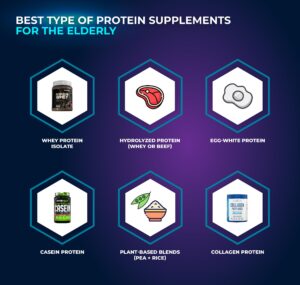
Whey Protein Isolate
Whey is the most studied protein in older adults. It digests quickly, is high in leucine and, as an isolate, contains very little lactose and fat. In a study of older men by Yang and colleagues, 40 g of whey after resistance exercise raised muscle protein synthesis more than 20 g, which supports using a larger serving than younger lifters need.
Best for: daily use and after exercise.
Hydrolyzed Protein (Whey or Beef)
Hydrolyzed protein is partly broken down during processing, so it digests a little faster and some people find it easier on the stomach. Beef protein is dairy-free. The amino acid profile of beef protein powders varies between products, so check the label.
Best for: older adults with sensitive digestion or who avoid dairy.
Egg-White Protein
A dairy-free, complete protein that is easy on the stomach and very low in fat.
Best for: those avoiding dairy or wanting a light, low-fat option.
Casein Protein
Casein digests slowly and releases amino acids over several hours. Studies in older men have found that about 40 g of casein before sleep is digested and absorbed overnight and raises overnight muscle protein synthesis. Milk and cottage cheese are rich in casein too.
Best for: a bedtime snack or between meals.
Plant-Based Blends (Pea + Rice)
Pea and rice proteins complement each other’s amino acids, so a blend gives a complete protein. Plant proteins contain somewhat less leucine per gram than whey, so a slightly larger serving helps.
Best for: vegans and people with a dairy intolerance or allergy.
Collagen Protein
Collagen is not a complete protein: it lacks tryptophan and is low in leucine, so it is a poor choice as your main protein for muscle. Some small trials suggest collagen peptides may help joint comfort or skin, but treat collagen as an extra on top of a complete protein. For more, see our guide to joint supplements.
Best for: an add-on for joints and connective tissue.
| Protein type | Digestion | Leucine | Dairy-free | Best for |
|---|---|---|---|---|
| Whey isolate | Fast | Highest | No (very low lactose) | Daily use, after exercise |
| Hydrolyzed whey or beef | Fast | High (whey); varies (beef) | Beef only | Sensitive stomachs |
| Egg white | Moderate | Good | Yes | Dairy-free, low fat |
| Casein | Slow | High | No | Bedtime, between meals |
| Pea + rice blend | Moderate | Lower than whey | Yes | Vegan, dairy allergy |
| Collagen | Fast | Low (incomplete protein) | Yes | Add-on for joints only |
Our Picks From Enhanced Labs
Our partner Enhanced Labs makes two protein powders that fit the guidance above:
- Primal Protein: a dairy-free powder that the brand lists at 27 g of protein per scoop, made from hydrolyzed beef and egg white protein. A good fit for older adults who get bloated on whey or avoid dairy.
- iO Premium Whey: the brand’s whey protein, for those who tolerate dairy. If it is unavailable, any third-party-tested whey isolate does the same job.
Whichever powder you choose, check the protein per serving, keep added sugar low and prefer products tested by a third party, such as NSF Certified for Sport or Informed Sport.

Pros
- Catalog is specifically organized around muscle building, fat loss, testosterone support, and workout performance.
- Range includes creatine, protein, EAAs, beta-alanine, and L-citrulline alongside more specialized formulas.
- Orders of $99+ qualify for free US shipping.
Cons
- Features several strong claims around muscle growth, testosterone, fat loss, and metabolic effects that should be distinguished from independently demonstrated clinical outcomes
- Heavily oriented toward bodybuilding and performance rather than broader nutritional supplementation.
For more on the brand, read our Enhanced Labs review.
Benefits of Protein Supplements for the Elderly
Protein supplements do nothing that food cannot. Their value is that they make an adequate intake easy when appetite, chewing or cooking get in the way.
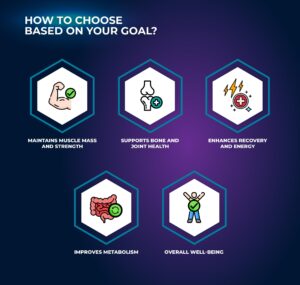
Helps Maintain Muscle Mass and Strength
Enough protein, especially together with resistance training, helps preserve muscle and slow sarcopenia, which supports everyday strength and independence.
Supports Bone Health
Adequate protein, together with calcium and vitamin D, supports bone health. Stronger muscles also protect bones indirectly by lowering the risk of falls.
Supports Recovery
Extra protein helps meet the higher needs that come with illness, surgery, wounds or rehabilitation.
Protects Muscle During Weight Loss
When older adults lose weight, part of the loss is muscle. A higher protein intake, combined with strength training, helps make sure the weight lost is mostly fat.
Fills the Gaps in a Small Appetite
A shake is quick to prepare and easy to swallow, and mixing it with milk adds calories as well as protein, which helps older adults at risk of malnutrition.
Potential Side Effects and Safety Tips
Protein supplements are safe for most healthy older adults. Most problems are mild and come from the type of protein or the amount taken at once.
Common Side Effects
Some people get bloating, gas or loose stools, most often from whey concentrate in people with lactose intolerance. Switching to whey isolate, a hydrolyzed protein or a dairy-free option usually helps. Sugar alcohols and some sweeteners in flavored powders can also upset the stomach.
Kidney Disease
For healthy kidneys, intakes in the recommended range for older adults are not considered harmful. Chronic kidney disease is different: PROT-AGE notes that people with severe kidney disease (an eGFR below 30) who are not on dialysis need to limit protein. If you have kidney disease, agree on a protein target with your doctor or dietitian before using a supplement.
Choose the Right Type
Pick an easily digested, complete protein such as whey isolate, a hydrolyzed protein, egg or a pea-rice blend. Avoid products with a lot of added sugar or long lists of fillers, and look for third-party testing.
Stay Hydrated
Older adults often feel less thirsty, so drink fluids through the day, especially when increasing protein.
Monitor Total Protein Intake
Supplements should fill a gap, not replace meals. Count the protein you already get from eggs, fish, meat, dairy and legumes, and use a shake to reach your target rather than to go far beyond it.
Timing and Distribution Matter
Spreading protein evenly, about 25-30 g at each of three meals, is better for muscle than eating most of it at dinner. Breakfast is often the meal that needs the boost. A shake after exercise or between meals can top up a light meal.
Consult Your Doctor
Talk to your doctor before starting, especially if you have kidney disease, diabetes or another chronic condition, or follow a diet set by your care team. Some shakes also contain added vitamins and minerals, which matters if you already take other supplements.
The Bottom Line
Protein supplements are a simple way for older adults to reach the 1.0-1.2 g/kg a day that expert groups recommend, but they work best alongside strength training and a protein-rich diet.
- Aim for 1.0-1.2 g of protein per kg a day (70-84 g for a 70 kg adult), spread as 25-30 g per meal, and more during illness or recovery.
- Whey isolate is the best-studied choice; egg, beef, casein and pea-rice blends are good alternatives. Collagen does not count as a complete protein.
- Pair protein with resistance training at least twice a week, and check with your doctor first if you have kidney disease or another chronic condition.
Frequently Asked Questions
Disclaimer
Please read carefully
The information on this site is for educational and informational purposes only, and is not medical advice. Always consult a qualified healthcare professional before using any supplement or medication, or making changes to your health, fitness, or nutrition routine.
Not medical advice
Content here is not a substitute for professional medical advice.
Consult your doctor
Talk to your doctor before starting any supplement or new routine.
Use at your own risk
We are not responsible for adverse effects from acting on this.
Do your research
Make informed decisions about your own health.
No guarantees
Individual results vary. No claims about outcomes.
Important — Never disregard professional medical advice or delay seeking it because of something you read here. If you think you may have a medical emergency, call your doctor or your local emergency number right away.