
Contents13 sections
Ever finished a hard workout only to have your protein shake leave you bloated, crampy or running for the bathroom? For people with sensitive stomachs, protein powder can cause more trouble than it solves.
It doesn’t have to. The problem is usually not the protein itself but a specific ingredient: lactose, a sugar alcohol, a gum, or a protein you are allergic to. This guide explains what causes the discomfort, which protein types are gentlest, what to check on the label, and three powders that suit different levels of sensitivity.
Key Takeaways
- Most protein-shake stomach trouble comes from a few causes: lactose in whey concentrate, sugar alcohols, gums or added fiber, or a true food allergy.
- Whey isolate and hydrolyzed whey are very low in lactose but not always lactose-free; egg white, beef and plant proteins contain none.
- Hydrolyzed whey, egg white, pea and rice protein are usually well tolerated; collagen is gentle but is not a complete protein.
- Start with half a scoop and change one thing at a time, so you can tell what is causing symptoms.
- Symptoms that persist, or come with blood in the stool, weight loss or severe pain, need a doctor and a proper diagnosis, not a new powder.
What Are Protein Powders Used For?
Protein powders are a convenient way to meet your daily protein needs, which is why they have become a staple of many people’s fitness regimen. Whether you want to build muscle, lose fat or recover between sessions, a shake makes it easier to hit your protein target when time is short.
They also help people with dietary restrictions fill gaps. Vegetarians and vegans can rely on plant proteins (see our plant-based meal plan for athletes), and people who struggle to eat enough protein from food can top up without a large meal.
What Causes Sensitivity to Protein Powders?
If protein shakes upset your stomach, you are not alone. The usual causes are:
- Lactose. Whey concentrate contains more lactose than whey isolate, and many people only find out they are lactose intolerant when a shake leaves them bloated or gassy.
- Sugar alcohols and sweeteners. Sugar alcohols such as sorbitol, maltitol and xylitol are poorly absorbed and can cause gas, cramps and loose stools. Some people also react to intense sweeteners such as sucralose, although the evidence there is weaker.
- Gums and added fiber. Xanthan gum, guar gum and carrageenan are added for texture, and fibers such as inulin are fermented in the gut. Most people tolerate the small amounts used, but they can bother a sensitive gut.
- Food allergies. A true allergy is different from an intolerance. Milk, egg, soy and wheat are common triggers, and an allergy can cause hives, swelling or breathing problems, not just an upset stomach. People with celiac disease also need a gluten-free powder.
- Poor quality. Badly made or contaminated powders are more likely to cause problems, which is why third-party testing is worth looking for.
If you suspect one of these, check the ingredient list and try a powder without it.
| Trigger | Where you find it | What to choose instead |
|---|---|---|
| Lactose | Whey concentrate, milk protein blends, many mass gainers | Whey isolate, hydrolyzed whey, or egg, beef or plant protein |
| Sugar alcohols | “Sugar-free” flavored powders (sorbitol, maltitol, xylitol, erythritol) | Unflavored powders, or light stevia or monk fruit sweetening |
| Gums and added fiber | Thick, creamy powders and “high-fiber” blends (xanthan, guar, inulin) | Powders with a short ingredient list |
| Allergens | Milk, egg, soy and wheat ingredients | A powder free of your allergen, with no “may contain” warning for it |
Best Protein Types for Sensitive Stomachs
Some protein sources are easier on the stomach than others. Here is how the main options compare.
Whey Isolate and Hydrolyzed Whey Isolate
Whey isolate is filtered to remove most of the lactose and fat found in whey concentrate. Hydrolyzed whey protein has also been partially broken down (“pre-digested”) into smaller pieces. Both are very low in lactose, which makes them a good choice for many people with mild lactose intolerance.
They are not always completely lactose-free, though, and they are still milk protein, so they are not suitable for anyone with a milk allergy.
Pea Protein
Pea protein is dairy-free and soy-free and is one of the more widely tolerated plant proteins. Pea allergy is uncommon but does exist, so it is not risk-free for everyone with allergies. Pea protein is relatively low in the amino acid methionine, which is why it is often blended with rice protein. It mixes well into smoothies.
Rice Protein
Brown rice protein is mild in taste and rarely causes allergic reactions. It is low in lysine, so on its own it is less complete than whey or egg, but pea and rice together cover each other’s gaps.
Collagen Protein
Collagen peptides are flavorless, dissolve easily and are generally gentle on the stomach. The catch is that collagen is not a complete protein: it contains almost no tryptophan and is relatively low in leucine, the amino acid most closely linked to muscle building. Use it as an extra, not as your only protein powder. If joint support is your main goal, see our guide to the best joint supplements for athletes.
Egg White Protein
Egg white protein is dairy-free, nearly fat-free and contains all nine essential amino acids. Most people digest it well, which makes it a solid option if you want to avoid both dairy and plant proteins. Skip it if you have an egg allergy.
Pumpkin Seed or Hemp Protein
These less common plant proteins bring natural fiber and minerals along with the protein. They taste earthy and many people tolerate them well, but the fiber can cause gas if you are not used to it, and they usually provide less protein per scoop than an isolate.
| Protein type | Lactose | Amino acid profile | Watch out for |
|---|---|---|---|
| Whey concentrate | Some | Complete | Lactose intolerance |
| Whey isolate or hydrolyzed whey | Very low | Complete | Milk allergy |
| Egg white | None | Complete | Egg allergy |
| Pea | None | Low in methionine | Rare pea allergy; added gums |
| Brown rice | None | Low in lysine | Best blended with pea |
| Collagen | None | Incomplete (almost no tryptophan) | Not a stand-alone protein |
| Hemp or pumpkin seed | None | Varies; less protein per scoop | Fiber can cause gas |
What to Look for in Protein Powders for Sensitive Stomachs
Reading the label is the fastest way to avoid trouble. These are the features that make the most difference:
Minimal and Clean Ingredients
Less is more for a sensitive gut. A short ingredient list, ideally one or two protein sources and few additives, is easier to tolerate, and if something does go wrong it is easier to work out why.
Low-Lactose or Dairy-Free
If you are lactose intolerant or even mildly sensitive to dairy, skip whey concentrate and milk protein blends. Whey isolate and hydrolyzed whey are low in lactose; egg, beef and plant proteins contain none. If you have a milk allergy rather than an intolerance, avoid all whey and casein.
Go Easy on Sugar Alcohols and Sweeteners
Sugar alcohols such as sorbitol, maltitol and xylitol are a well-known cause of bloating, gas and loose stools. Erythritol is usually better tolerated, but larger amounts can still upset some people. Unflavored powders avoid the issue entirely. Otherwise, choose a powder lightly sweetened with stevia or monk fruit, and check whether the sweetener blend also contains erythritol.
Few Gums or Fillers
Xanthan gum, guar gum and carrageenan are added to improve texture. Most people tolerate the small amounts used, but if you are prone to bloating, a powder without them is worth trying. The same goes for added fibers such as inulin.
Easily Digestible Protein Sources
Hydrolyzed whey, whey isolate, egg white and pea protein are good places to start if you have reacted badly before. Some powders also add digestive enzymes. Added lactase can help with the lactose in dairy-based powders; the evidence for other enzyme blends is limited, so treat them as a bonus rather than a reason to buy.
Allergen-Free or Hypoallergenic Options
If you have a food allergy, choose a powder that is free from your allergen and check the label for “may contain” warnings, since cross-contact can happen in shared facilities. People with celiac disease should look for a certified gluten-free product.
Third-Party Tested for Quality
A good protein powder should be tested for purity, heavy metals and label accuracy. Certifications such as NSF Certified for Sport or Informed Choice show that an independent lab has checked the product.
Best Protein Powders for Sensitive Stomachs: Our Top Picks
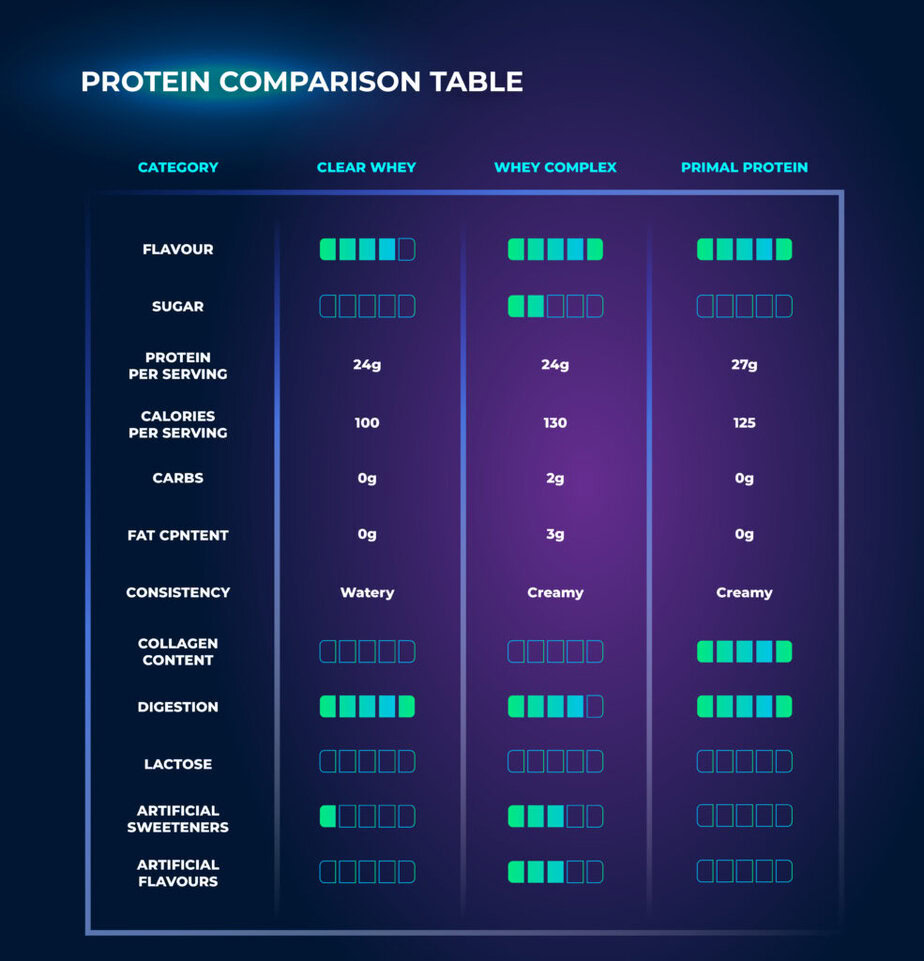
Our three picks all come from Enhanced Labs. They cover the main routes for a sensitive stomach: a dairy-free powder, a whey isolate, and a whey blend for people who already tolerate dairy. Protein figures are per scoop as listed by the brand; formulas and flavors change, so check the current label before you buy.
Enhanced Labs Primal Protein
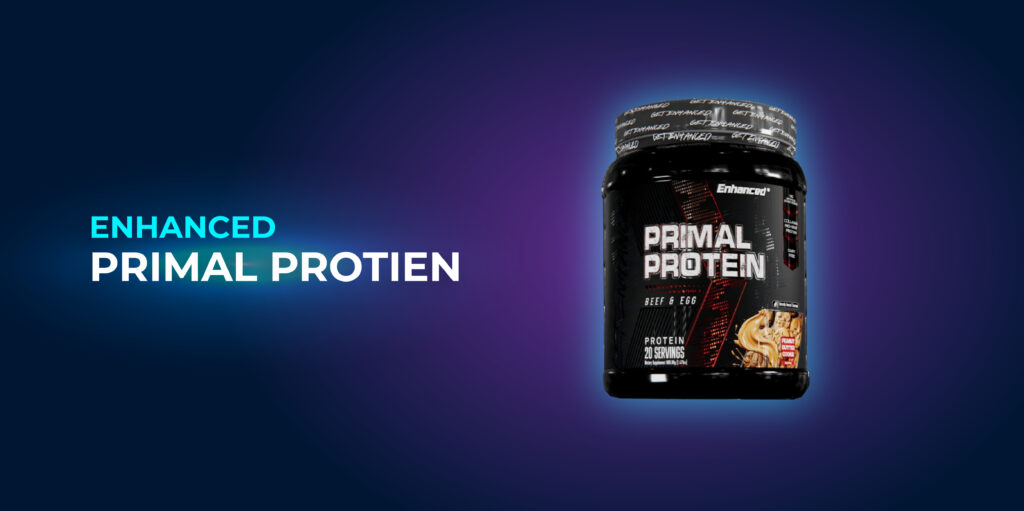
Primal Protein is a dairy-free protein powder made from hydrolyzed grass-fed beef protein and egg white isolate. The brand lists it as free from lactose and sugar, with no carbs or fat, and highlights its collagen content. Of the three picks, it is the safest choice for anyone who reacts to dairy.
- Form: hydrolyzed beef protein and egg white isolate powder
- Protein: 27 g per scoop
- Lactose: none (dairy-free)
- When to use: after training, between meals or before bed
- Pairs with: creatine monohydrate
- Good fit for: lactose intolerance, dairy-free diets, or anyone who finds whey heavy
- Skip it if: you have an egg allergy
Enhanced Labs iO Clear Whey
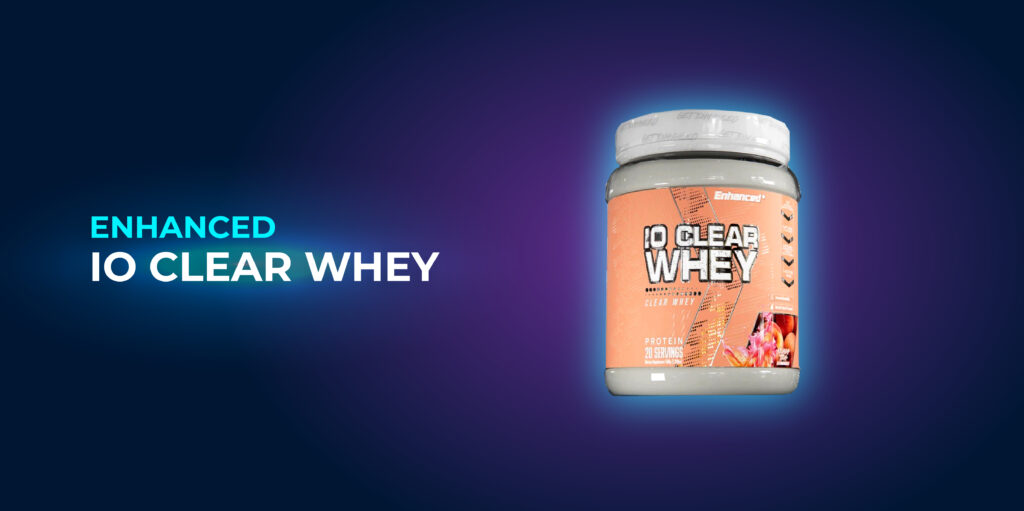
iO Clear Whey is a clear whey protein isolate: instead of a thick, milky shake, it mixes into a thin, juice-like drink. Because it is an isolate, it is very low in lactose and fat, and the light texture suits people who find regular shakes heavy after training. It is still a dairy product, so it is not for anyone with a milk allergy.
- Form: clear whey protein isolate powder
- Protein: 24 g per scoop
- Lactose: very low (whey isolate), but it is still dairy
- Sweetening: listed by the brand as zero sugar, naturally sweetened and flavored
- When to use: after training, or any time you want a lighter drink
- Pairs with: fast-digesting carbs after training
- Good fit for: mild lactose sensitivity and people who dislike milky shakes
Enhanced Labs iO Premium Whey
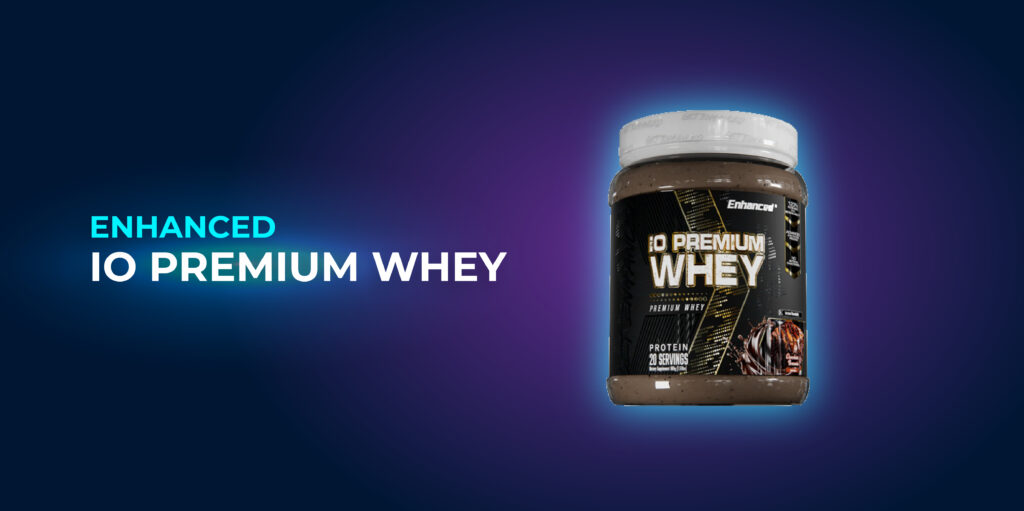
iO Premium Whey is Enhanced Labs’ everyday whey protein, with 24 g of protein per scoop and an added digestive enzyme blend. It is a blend of whey protein concentrate and isolate, so it contains more lactose than a pure isolate.
That makes it the least suitable of the three for lactose intolerance. It is best for people who already digest regular whey without problems and want a flavored everyday shake; if lactose is your trigger, choose iO Clear Whey or Primal Protein instead.
- Form: whey protein concentrate and isolate blend with a digestive enzyme blend
- Protein: 24 g per scoop
- Lactose: some (contains whey concentrate)
- When to use: daily, after training or between meals
- Good fit for: people who tolerate dairy and want a flavored everyday whey
- Skip it if: you are lactose intolerant or allergic to milk

Pros
- Catalog is specifically organized around muscle building, fat loss, testosterone support, and workout performance.
- Range includes creatine, protein, EAAs, beta-alanine, and L-citrulline alongside more specialized formulas.
- Orders of $99+ qualify for free US shipping.
Cons
- Features several strong claims around muscle growth, testosterone, fat loss, and metabolic effects that should be distinguished from independently demonstrated clinical outcomes
- Heavily oriented toward bodybuilding and performance rather than broader nutritional supplementation.
Best Protein Powders for Sensitive Stomachs: Comparison Table
| Product | Protein source | Protein per scoop | Lactose | Best for |
|---|---|---|---|---|
| Primal Protein | Hydrolyzed beef protein and egg white isolate | 27 g | None | Lactose intolerance, dairy-free diets |
| iO Clear Whey | Clear whey protein isolate | 24 g | Very low | Mild lactose sensitivity, lighter drinks |
| iO Premium Whey | Whey concentrate and isolate blend, with enzymes | 24 g | Some | People who already tolerate regular whey |
Tips for Using Protein Powder With a Sensitive Stomach
Small changes in how you use protein powder can make a big difference to how your stomach handles it.
Start Small and Change One Thing at a Time
Start with half a scoop and build up over a week. Introduce one new powder at a time and keep the rest of the shake the same, so you can tell what is causing symptoms. Mixing with water or lactose-free milk instead of regular milk also removes a second source of lactose.
Time It Around Your Training
A shake after training is a practical way to get protein in, but the “anabolic window” is wider than once thought. Your total protein for the day, spread over several meals, matters more than drinking a shake within minutes of your last set. If shakes bother you straight after hard training, have yours a little later or with a meal.
Don’t Overdo It
More protein isn’t always better. Most people do well with about 20–40 g per serving, and sports nutrition guidelines generally suggest around 1.4–2.0 g of protein per kilogram of body weight per day for people who train. Protein beyond what your body can use is burned for energy, not stored as extra muscle. Lactose symptoms also depend on the dose, so two smaller shakes may sit better than one large one.
Balance It With Whole Foods
Protein powders are supplements, not replacements. Whole foods supply the fiber, vitamins and minerals that a powder can’t.
Switch Sources if One Doesn’t Agree With You
If one type of protein keeps causing trouble, don’t give up on protein powder: try a different source. Whey isolate, egg white, beef, pea and rice protein all work, and a pea and rice blend gives a fuller amino acid profile than either one alone.
Side Effects and Safety Considerations
Protein powders are safe for most healthy people when used sensibly, but keep these points in mind:
Digestive Issues
Powders that contain lactose (such as whey concentrate), sugar alcohols or added fiber can cause bloating, gas or an upset stomach, particularly in people with food sensitivities or digestive conditions such as irritable bowel syndrome (IBS).
Kidney Stress (in Those With Pre-Existing Conditions)
In healthy people, studies have not shown that higher protein intakes damage the kidneys, but high intakes can be a problem for people with existing kidney disease. If you have kidney concerns, speak with your doctor before using protein supplements.
Unwanted Additives
Independent testing has found heavy metals such as lead and arsenic in some protein powders, as well as products that don’t match their labels. Choosing a product with third-party certification, such as NSF Certified for Sport or Informed Choice, lowers that risk.
Excess Calorie Intake
Shakes add calories. If you add protein powder on top of an already high-protein diet without adjusting anything else, you may gain weight you didn’t plan for. Count your shakes as part of your daily intake.
Allergic Reactions
Whey (milk), egg and soy protein can trigger allergies. Pea and rice protein are less common allergens, but no protein is allergy-free for everyone. Hives, swelling, wheezing or trouble breathing after a shake need urgent medical attention.
Interactions With Medications
Some protein powders contain added ingredients, such as herbal blends, that may interact with medications. Check with a doctor or pharmacist if you take prescription medicines.
When to Consult a Healthcare Professional
Speak with a healthcare professional before starting protein supplements if you have an underlying health condition, particularly kidney or liver disease, diabetes or a gastrointestinal disorder. The same applies if you have food allergies or a history of disordered eating.
Professional guidance is also strongly recommended if you are pregnant or breastfeeding, take prescription medicines, or are considering protein powder for a child or teenager. A registered dietitian or doctor can help you choose a safe product and work out how much protein you actually need.
Get checked rather than switching powders if your symptoms continue after you stop the shakes, or if you notice blood in your stool, unexplained weight loss, ongoing diarrhea or severe pain. A doctor can test for lactose intolerance, celiac disease and other conditions.
The Bottom Line
For a sensitive stomach, the type of protein and the additives matter more than the brand: start with a dairy-free or isolate-based powder with a short ingredient list, and change one thing at a time.
- Lactose in whey concentrate and sugar alcohols are the most common triggers; whey isolate is very low in lactose, and egg, beef and plant proteins are dairy-free.
- Of our picks, Primal Protein suits dairy-free needs, iO Clear Whey suits mild lactose sensitivity, and iO Premium Whey is for people who already tolerate whey.
- Symptoms that don’t settle after a switch deserve a proper diagnosis from a doctor rather than another powder.
Frequently Asked Questions
Disclaimer
Please read carefully
The information on this site is for educational and informational purposes only, and is not medical advice. Always consult a qualified healthcare professional before using any supplement or medication, or making changes to your health, fitness, or nutrition routine.
Not medical advice
Content here is not a substitute for professional medical advice.
Consult your doctor
Talk to your doctor before starting any supplement or new routine.
Use at your own risk
We are not responsible for adverse effects from acting on this.
Do your research
Make informed decisions about your own health.
No guarantees
Individual results vary. No claims about outcomes.
Important — Never disregard professional medical advice or delay seeking it because of something you read here. If you think you may have a medical emergency, call your doctor or your local emergency number right away.