
Welcome to The Morning Dose, your one-stop shop for all things peptides, TRT, fitness, anti-aging, and everything in between.
Pour your morning coffee and lock in for this week’s groundbreaking news and rearch from the world of science-based biohacking, TRT, peptides and anti-aging.
In this week’s edition of The Morning Dose:
🧪 How to Read a Peptide COA
💊 Exemestane Side Effects
🧴 RU58841 for Hair Loss
☕️ First time reading? I’m James, and this is The Morning Dose. Every week, our team scours hundreds of sources to bring you need-to-know news and insights you won’t find elsewhere. All in 5 minutes.
Did someone forward you this email? Sign up here.
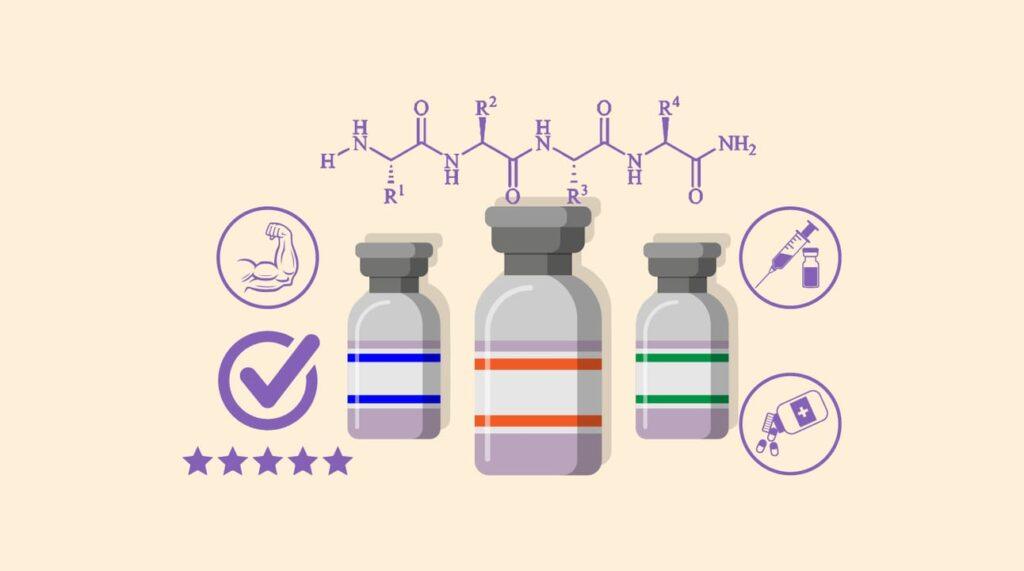
🧪 How to Read a Peptide COA: Verifying What’s Actually in Your Vial

A peptide COA is the single most important document for verifying what’s actually in your vial, and low-quality suppliers count on the fact that most buyers don’t know how to read one. This guide walks through every section of a peptide COA and flags the red flags that separate a trustworthy report from decorative marketing.
The key point: to read one correctly, you need to confirm five things — the compound identity matches the label, HPLC purity meets the standard (typically ≥98%), mass spectrometry confirms the correct molecular weight, the batch or lot number traces back to the vial in your hand, and the testing was performed by an identifiable lab.
What’s Covered:
🧪 What a COA Actually Verifies
A COA is a batch-specific lab report, not a marketing sheet — it records measured results for one specific production run (its purity, identity, and impurities) and should never read like a generic template reused across products.
🔬 Reading the Numbers Without Getting Fooled
Mass spectrometry confirms the peptide’s actual molecular weight matches the expected value, proving the compound is what the label claims. Purity should be ≥98% by HPLC, and the method must be shown — a bare “98%” with no chromatogram, column, or gradient details is essentially unverifiable.
🚩 Red Flags That Break the Chain of Trust
The batch or lot number on the COA must match the vial, since a mismatched or missing lot number breaks the chain between the document and your actual product. A credible COA is also dated within roughly six months of purchase and names the lab that performed the analysis, so results can be independently checked.
Want to know how to spot a COA that’s decorative marketing dressed up as proof?
💊 Exemestane Side Effects: What the Clinical Data Actually Shows
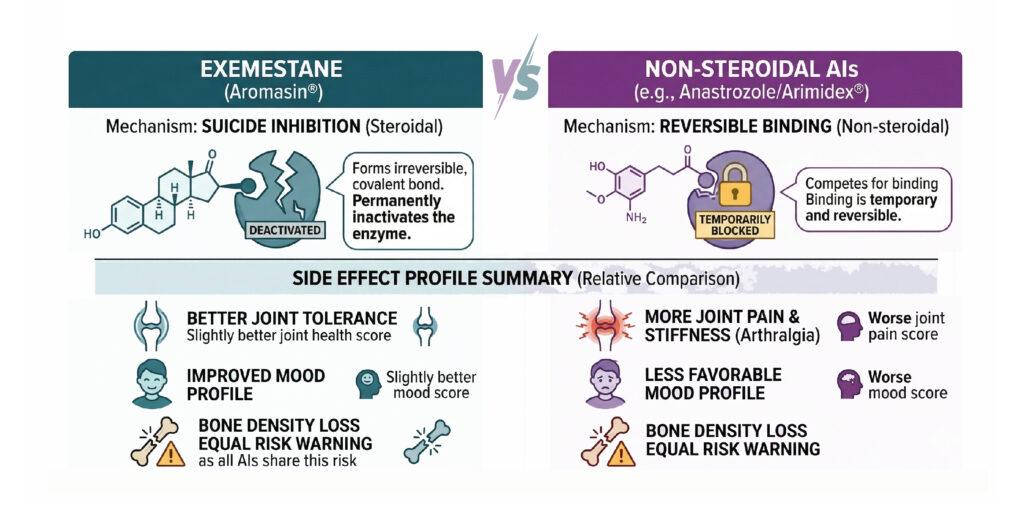
Exemestane is one of the most widely used aromatase inhibitors in the bodybuilding community. It’s prescribed clinically for hormone receptor-positive breast cancer in postmenopausal women, and in performance contexts it’s used primarily to manage estrogen during anabolic steroid cycles and as part of post-cycle therapy.
Exemestane is a steroidal “suicide inhibitor” of aromatase, permanently inactivating the enzyme rather than reversibly blocking it, which makes estrogen suppression more sustained and potent than with anastrozole or letrozole. This guide goes through exemestane’s side effect profile systematically, drawing on clinical trial data rather than anecdote.
What’s Covered:
🦴 Bone Density Loss
Bone density loss is the most clinically documented serious side effect, occurring even with calcium and vitamin D supplementation. DEXA scans before and after extended use are strongly recommended.
🦵 Joint Pain & Daily Side Effects
Joint pain, fatigue, hot flashes, and headache are the most commonly reported daily side effects, consistent across multiple clinical trials at the standard 25mg dose.
🩸 Liver Enzymes & Lipid Changes
Liver enzyme elevations and lipid changes have been documented in trial data. Periodic bloodwork covering a full lipid panel and liver function tests is essential for anyone using exemestane beyond short on-cycle management.
Want the full breakdown of what exemestane actually does to your bones, joints, and bloodwork?
🧴 RU58841 for Hair Loss: What the Research Shows
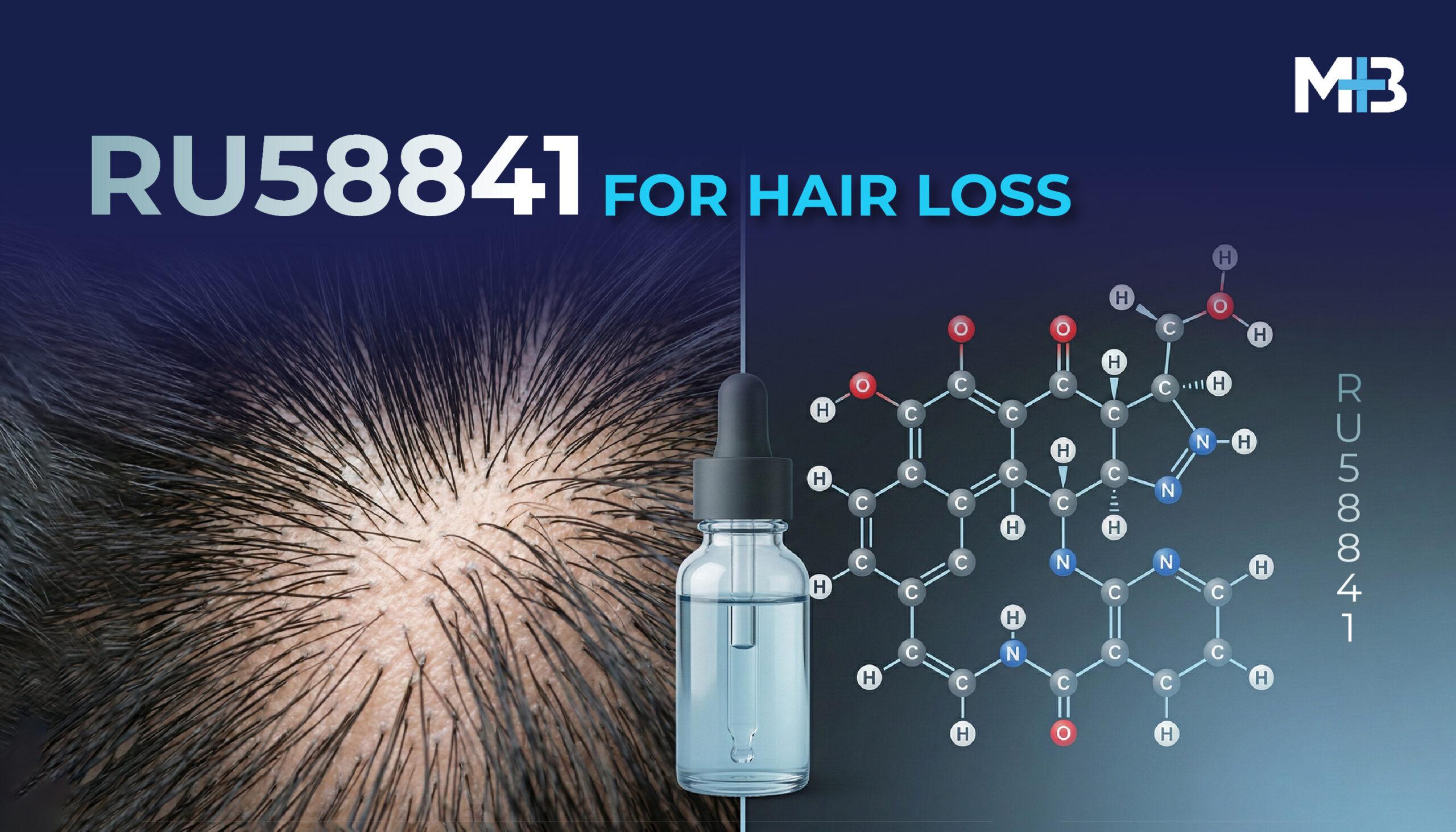
If you spend any time in the hair loss community, you’ve almost certainly come across RU58841. It’s been around since the 1970s, has been through animal trials, primate studies, and Phase I and II human trials, but has never reached Phase III or received regulatory approval.
This guide covers what RU58841 is, how it works, what the actual research shows, how it compares to finasteride, and what realistic results look like.
What’s Covered:
🧬 How RU58841 Works
RU58841 is a non-steroidal anti-androgen that blocks DHT from binding to androgen receptors in scalp hair follicles, without lowering systemic DHT levels. Unlike finasteride, it works locally at the scalp rather than systemically, which means it does not carry the same risk of sexual or hormonal side effects.
🔬 What the Research Actually Shows
Animal and primate studies found meaningful increases in hair density and follicle counts with topical RU58841. Early human trials and extensive anecdotal use from the biohacking community report similar results, including thicker regrowth and slower shedding, though the guide notes that rigorous, large-scale human trials are still limited.
⚠️ Who It’s Relevant For & Legal Status
This makes it especially relevant for steroid users dealing with androgenic hair loss, since it doesn’t interfere with a cycle the way oral finasteride can. It’s important to note RU58841 is sold as “research use only,” isn’t FDA-approved, and doesn’t have long-term human safety data, so anyone considering it should go in with realistic expectations.
Curious whether RU58841 could actually work for your hair loss?
-The Morning Dose
PS – Have questions or suggestions? Hit reply and let us know what you think.
Disclaimer: This content is NOT medical advice. The information included in these emails is intended for entertainment and informational purposes only.