Contents14 sections
Testosterone boosters are supplements that claim to raise your body’s own testosterone production, usually with a mix of vitamins, minerals and herbal extracts. Supplement shelves are full of bottles promising big jumps in testosterone and faster muscle gains. Very few of those claims hold up in human trials.
This guide goes through the evidence ingredient by ingredient: what has worked in people, what has only worked in rats, and what has failed outright. It also covers the factors that matter more than any pill (sleep, training, diet and body fat) and the foods that are often said to raise or lower testosterone.
Finally, it explains where testosterone replacement therapy (TRT) fits in, and why the benefits of TRT should not be confused with what an over-the-counter booster can do.
Key Takeaways
- Sleep, regular strength training, a balanced diet and a healthy body weight do more for natural testosterone than any supplement. In one study, a week of 5-hour nights lowered young men’s daytime testosterone by 10-15%.
- Vitamin D, zinc and magnesium mainly help men who are low in them. If your levels are already adequate, taking more is unlikely to raise testosterone.
- Tribulus terrestris and D-aspartic acid, two of the most common booster ingredients, did not raise testosterone in trials of physically active or resistance-trained men.
- Ashwagandha has some of the better human data among herbal ingredients, with small trials reporting higher testosterone and lower cortisol. Fenugreek and ginseng mainly affect libido.
- Most “testosterone-boosting foods” are backed by rodent or cell studies only. The only reliable way to raise testosterone substantially is prescribed TRT, which has its own risks.
Do Testosterone Boosters Work?
Testosterone is the main male sex hormone. It influences muscle mass, strength, sexual function, energy, mood and general health, which is why so many men look for a natural way to raise it.
Many booster labels promise dramatic increases. In practice, most ingredients have little or no good human evidence behind them. A smaller group has reasonable evidence, but usually only under specific conditions, such as correcting a deficiency or treating infertile men. That is not the same as raising testosterone in healthy men whose levels are already normal.
Two of the most popular ingredients show the gap between marketing and evidence.
Tribulus Terrestris
Tribulus terrestris is found in a large share of testosterone boosters and is also marketed for libido. Some bodybuilders use it after a steroid cycle in the hope of restarting natural testosterone production.
Animal studies reported that tribulus raised testosterone. Human studies have not found the same effect in men.
Product quality is another problem. A study published in the Journal of Pharmaceutical Sciences found that commercial tribulus products varied widely in their content of steroidal saponins such as protodioscin, the compounds thought to be responsible for its effects.
Some human trials report modest improvements in sexual desire and function, and small trials in people with type 2 diabetes reported lower blood sugar. For muscle, strength, athletic performance and fat loss, trials have found no benefit.
D-Aspartic Acid (DAA)
The evidence on DAA is conflicting, and the better trials in active men are negative.
One study in healthy men aged 27-37 reported a 42% rise in testosterone after 12 days of supplementation. Another study in infertile men reported increases of 30-60% after 90 days. A small study of 10 obese men gave mixed results.
When researchers tested DAA in resistance-trained men, however, it did not raise testosterone or improve body composition or strength. In another study in resistance-trained men, a higher dose of 6 grams a day lowered testosterone after two weeks.
A 12-week randomized placebo-controlled trial in resistance-trained men found no change in testosterone and no extra gains in strength or muscle compared with placebo. For men who already train, DAA looks ineffective as a testosterone booster.
How to Increase Testosterone Naturally
Three factors lay the foundation for natural testosterone production: sleep, physical activity and nutrition, including how much body fat you carry.
Sleep Is the Best Testosterone Booster
Short or poor sleep is one of the most reliable ways to lower testosterone, and much of the day’s testosterone is released during sleep.
A study by Penev published in Sleep found that older men who slept about 4 hours a night had morning testosterone of roughly 200-300 ng/dL, compared with roughly 500-700 ng/dL in men who slept about 8 hours.
In a small JAMA study, 10 healthy young men restricted to 5 hours of sleep a night for a week saw their daytime testosterone fall by 10-15%.
A larger study of 531 Chinese men aged 29 to 72 also linked longer sleep with higher total and free testosterone. It was observational, so it shows an association rather than cause and effect.
If you want to do one thing for your testosterone, start with seven to nine hours of good-quality sleep. Get checked if you snore heavily or wake up unrefreshed, since untreated sleep apnea is linked with low testosterone.
Lift Weights, and Don’t Overdo Endurance Work
Regular exercise supports healthy testosterone levels, but the type and amount matter.
Several studies have found that endurance athletes and long-distance runners have lower testosterone than non-athletes, especially at very high training volumes. Moderate cardio is good for your health and is not a problem. Extreme volumes without enough food can be.
Some trials suggest high-intensity interval training may have a small positive effect on testosterone, though the evidence is limited.
Strength training raises testosterone for a short time after a session, more in younger men than in older men. Heavy compound lifts that use a lot of muscle, such as squats, deadlifts, bench presses, overhead presses, rows and pull-ups, produce the largest short-term rise. Over months of training, resting testosterone changes little in most studies. The main benefits of lifting come through more muscle and less body fat, not a large hormone change.
Training in the morning or the evening does not seem to matter for testosterone. Overtraining has the opposite effect, so pair hard training with enough rest, sleep and food.
Balanced Nutrition and Body Fat
Diets that get roughly 35-40% of calories from fat have been linked with higher testosterone than low-fat diets that provide 20% or less.
A study in the Journal of Applied Physiology found that resting testosterone in resistance-trained men was related to the type of fat they ate and to their ratio of protein to carbohydrate. Very high-protein, low-carbohydrate diets have been linked with lower testosterone in some studies, so there is no need to cut carbs hard to support your hormones.
Total calories matter too. Long-term, aggressive calorie restriction lowers testosterone. Excess body fat is also bad for testosterone: obesity is strongly linked with low testosterone, partly because fat tissue converts more testosterone into estrogen. For men carrying extra fat, losing it is one of the most effective natural ways to raise testosterone. Once you reach a healthy weight, eating at maintenance or in a slight surplus supports normal levels.
Testosterone is made from cholesterol, and HDL (“good”) cholesterol tends to track with testosterone levels. Eggs are a good whole-food source of fat and cholesterol, and in many studies they raised HDL with little or no change in LDL.
Extra virgin olive oil is a healthy source of monounsaturated fat. In a study of healthy Moroccan men, testosterone rose by about 17% after they started eating olive oil daily.
Testosterone-Boosting Foods: What the Evidence Shows
Lists of “testosterone-boosting foods” are popular, but most of them rest on animal or cell studies. Here is what the evidence for six commonly named foods actually looks like.
| Food | Main Evidence | Shown to Raise Testosterone in Healthy Men? |
|---|---|---|
| Ginger | Rodent studies; one small study in infertile men | No |
| White button mushrooms | Lab studies of aromatase in breast cancer cells | No |
| Cruciferous vegetables | Studies of estrogen metabolism | No |
| Pomegranate | One small study measuring saliva, not blood | Not proven |
| Onions | Rodent studies; one small human study | Not proven |
| Oysters | Rich in zinc, which matters if you are deficient | Only by correcting low zinc |
None of these foods will raise testosterone the way booster marketing suggests. They are healthy foods worth eating, and oysters and other zinc-rich foods can help if your diet is low in zinc.
1. Ginger
Ginger root is widely used as a spice and in traditional medicine. Almost all of the studies on ginger and testosterone were done in rodents, and they generally reported higher testosterone with ginger or ginger extracts. A 2018 literature review by Banihani summarized this data and described several possible mechanisms.
Only one human study has been done: in 75 infertile Iraqi men, testosterone rose by 17.7% after treatment with ginger. There are no trials in healthy men, so ginger’s effect in men with normal testosterone is unknown.
2. White Button Mushrooms
In men, an enzyme called aromatase converts some testosterone into estrogen. Much of it is found in fat tissue, which is one reason men with more body fat tend to have lower testosterone.
Lab studies on breast cancer cells found that extracts of white button mushrooms inhibit aromatase. These were cell studies done for cancer research. No study has shown that eating mushrooms raises testosterone in men. They are a healthy, low-calorie food, but the testosterone claim is unproven.
3. Cruciferous Vegetables
Broccoli, cabbage, cauliflower, Brussels sprouts, collard greens and kale contain indole-3-carbinol (I3C). Studies show I3C shifts how the body breaks down estrogen toward weaker forms and increases the amount excreted in urine.
High estrogen can suppress luteinizing hormone (LH), the pituitary signal that tells the testes to make testosterone. That has led to claims that these vegetables raise testosterone, but this has not been shown in men eating normal amounts. They are a good source of fiber and belong in a healthy diet anyway.
4. Pomegranates
Pomegranates are rich in polyphenols, including ellagitannins, which showed anti-aromatase activity in lab studies.
A study in 60 men and women found that drinking pomegranate juice raised salivary testosterone by an average of 24%, along with improvements in mood and blood pressure. It was a small study that measured saliva rather than blood and has not been confirmed in a large trial, so treat it as preliminary.
5. Onions
Several rodent studies have reported that onion extracts raise testosterone. One rat study reported more than a threefold increase, a result that has not been seen in people.
There is only one study in humans, and it found a much smaller effect. A literature review concluded that the findings point the same way, but the quality of the evidence is low.
6. Oysters
Oysters are one of the richest food sources of zinc. They also provide selenium, copper, iodine and vitamin B12, plus high-quality protein for few calories.
Zinc deficiency lowers testosterone, so zinc-rich foods help men whose diets are low in it. If your zinc intake is already adequate, oysters will not push testosterone higher.
Foods and Drinks That May Lower Testosterone
A few foods and drinks are often said to lower testosterone. The evidence is strongest for heavy drinking; the rest is limited. For a longer list, see our guide to the worst foods for testosterone.
Alcohol
Alcohol has direct toxic effects on the testes. In a study of men acutely intoxicated with alcohol, testosterone fell by 15-30% within 12-24 hours, and other studies in men confirm that heavy drinking lowers testosterone.
Alcohol is also a known carcinogen. Regular heavy drinking is a common and fixable cause of low testosterone.
Flaxseed
Flaxseed is a healthy food, rich in omega-3 fat and fiber. It is also the richest dietary source of lignans, plant compounds with weak estrogen-like effects.
A few small studies have reported lower testosterone with flaxseed, including a study in men with prostate cancer who combined flaxseed with a low-fat diet. The evidence in healthy men is limited, and normal amounts in food are unlikely to matter much. If you want to protect your testosterone, there is simply no reason to take large doses of flaxseed.
Spearmint
In animal studies, spearmint caused oxidative damage in the hypothalamus and reduced testicular function. In women with high androgen levels, a trial of spearmint tea twice a day significantly lowered testosterone. There is no good data in men, but if you drink a lot of spearmint tea and have low testosterone, it is an easy thing to cut.
What About Soy?
Soy is the food most people expect on this list. But a meta-analysis of clinical studies found that soy protein and soy isoflavones do not lower testosterone or raise estrogen in men.
Booster Ingredients With Real Evidence
A shortage of certain vitamins and minerals can lower testosterone production, and correcting it can bring levels back to normal. If your levels are already adequate, taking more will not raise testosterone further. The herbal ingredients below have some human data, but the trials are small.
Vitamin D3
Low vitamin D is very common worldwide, especially in winter, at northern latitudes and in people who get little sun. Vitamin D acts like a hormone, and its receptors are found throughout the body, including in the reproductive organs.
Observational studies find that men with sufficient vitamin D tend to have higher testosterone than men who are deficient. Trials are less clear. One small trial in vitamin D-deficient overweight men found that supplementing for a year raised testosterone, while later randomized trials found no meaningful effect in most men.
The practical takeaway: get your vitamin D level tested and correct a deficiency, which matters for bone and overall health anyway. Don’t expect extra vitamin D to raise testosterone if your level is already normal.
Vitamin K2
Vitamin K comes in two main forms: K1, found in leafy green vegetables, and K2, found in animal foods such as egg yolks, butter and cheese, and in fermented foods. K2 supports bone and cardiovascular health and is often paired with vitamin D in supplements.
Rodent and cell studies suggest vitamin K2 plays a role in testosterone production in the testes, and that K2 deficiency lowers testosterone in rats. These are animal data only. No human trial has shown that K2 raises testosterone.
Vitamins D and K are fat-soluble, so take them with a meal that contains some fat. If you take warfarin or another vitamin K antagonist, talk to your doctor before taking any vitamin K supplement, because it interferes with these blood thinners.
Zinc
Zinc is essential for immune function and male reproductive health. Deficiency is more common in older adults, vegetarians and people with gut disorders.
Zinc deficiency clearly lowers testosterone, and supplementing men who are deficient raises it back toward normal. Some studies also suggest zinc helps prevent the drop in testosterone that can follow exhausting exercise. In men with adequate zinc, extra zinc does not appear to raise testosterone.
More is not better. The US tolerable upper intake level for adults is 40 mg a day from all sources, and long-term high doses can cause copper deficiency. Check the zinc dose in any booster before stacking it with a multivitamin.
Form matters too. Cheap supplements often use mineral oxides, such as zinc oxide or magnesium oxide, which are absorbed relatively poorly. Forms such as zinc picolinate, glycinate or citrate and magnesium glycinate or citrate are generally better absorbed. Large doses of calcium, iron, zinc and magnesium taken at the same time also compete for absorption, so spread them out.
Magnesium
Magnesium is involved in more than 300 enzyme reactions and matters for heart, muscle and bone health, and possibly sleep. US dietary data suggest a large share of adults get less magnesium from food than recommended.
In a 4-week study, magnesium supplementation raised free and total testosterone in both sedentary men and athletes, with larger increases in those who exercised. A study of about 400 older men found that higher blood magnesium was linked with higher testosterone, and a review of observational and intervention studies concluded that magnesium has a positive effect on testosterone. As with zinc, the benefit is most likely in men whose intake is low.
Boron
Boron is a trace mineral, needed only in small amounts. A small study found that taking 10 mg of boron a day for a week raised free testosterone by about 28% and lowered estradiol. An older study in male bodybuilders using a lower dose, 2.5 mg a day, found no effect on testosterone.
These are small, short studies. Boron looks promising but is far from proven.
Ashwagandha
Ashwagandha is an adaptogenic herb from Ayurvedic medicine. Randomized controlled trials and systematic reviews suggest it reduces stress and anxiety. In a randomized double-blind trial of a standardized root extract (KSM-66), cortisol fell by 27% compared with placebo.
It may also support testosterone and fertility. In a study of infertile men who took ashwagandha for three months, testosterone rose by roughly 10-22% and the partners of 14% of the men became pregnant. In a randomized controlled trial in young men doing resistance training, those taking ashwagandha gained more strength and muscle size and had a larger rise in testosterone than the placebo group.
The trials are small, several used extracts supplied by their manufacturers, and few have been independently replicated. The findings are consistent, but ashwagandha is promising rather than proven. See our guide to ashwagandha benefits for more.
Creatine
Creatine monohydrate is one of the most researched sports supplements, and hundreds of studies show it improves strength, power and muscle gains from training.
Its effect on testosterone is a different story. A few small studies reported modest increases in testosterone, and one study in rugby players found that three weeks of creatine raised DHT, a more potent androgen made from testosterone. Most trials, however, find no meaningful change in testosterone, and the DHT finding has not been confirmed by other studies.
Creatine is not a testosterone booster, but it is one of the few supplements with strong evidence for anyone who lifts regularly.
Libido Herbs: Fenugreek, Ginseng, Nettle and Mucuna
Several herbs found in boosters mainly affect sex drive rather than testosterone:
- Fenugreek: Improved libido and sexual function in some trials. Its effects on testosterone are small and inconsistent.
- Panax (Korean red) ginseng: Some trials and reviews report better erectile function. It does little for testosterone.
- Stinging nettle root: Mostly studied for prostate symptoms (benign prostatic hyperplasia), not for testosterone.
- Mucuna pruriens: A natural source of L-dopa. Two studies from the same research group reported higher testosterone and better semen quality in infertile men. It has not been properly tested in healthy men.
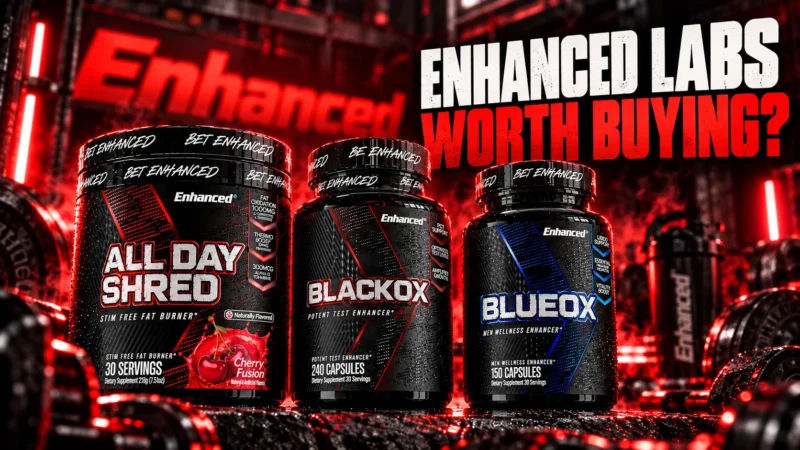
Enhanced Labs, one of our partners, sells several of the ingredients above as single-ingredient supplements, including vitamin D3 + K2, magnesium, ashwagandha and creatine monohydrate. Buying single ingredients lets you correct a specific gap at a known dose.

Pros
- Catalog is specifically organized around muscle building, fat loss, testosterone support, and workout performance.
- Range includes creatine, protein, EAAs, beta-alanine, and L-citrulline alongside more specialized formulas.
- Orders of $99+ qualify for free US shipping.
Cons
- Features several strong claims around muscle growth, testosterone, fat loss, and metabolic effects that should be distinguished from independently demonstrated clinical outcomes
- Heavily oriented toward bodybuilding and performance rather than broader nutritional supplementation.
How to Choose a Testosterone Booster
If you decide to try a booster, judge it by its label, not its marketing:
- Full disclosure: Every ingredient and dose is listed. Avoid “proprietary blends” that hide the amounts.
- Doses used in studies: Ingredients should be present at the doses tested in human trials, such as about 600 mg a day of a standardized ashwagandha root extract.
- Safe mineral doses: Zinc at or below 40 mg a day from all sources combined.
- Little filler: Fewer ingredients that have failed in trials, such as tribulus and D-aspartic acid in men who already train.
- Third-party testing: Certification from a program such as NSF Certified for Sport or Informed Sport, especially if you are drug-tested.
- Realistic claims: Be wary of any product promising a 200% or 300% rise in testosterone. No over-the-counter ingredient has shown anything close to that in human trials.
TestoPrime

TestoPrime is one of the best-known testosterone booster formulas, sold as a daily capsule. It combines vitamins and minerals with herbal extracts. The ingredients on the label we reviewed included:
- KSM-66 ashwagandha: The ingredient with the best human support in the formula (see above).
- Fenugreek and Panax ginseng: Mainly for libido and sexual function.
- Zinc: Helpful if you are low. The label we reviewed listed 40 mg, which already equals the adult upper limit, so don’t add another zinc supplement on top.
- D-aspartic acid: Did not raise testosterone in trials of resistance-trained men.
Our verdict: the ashwagandha, zinc and libido herbs are reasonable choices, while the D-aspartic acid adds little for men who already lift. The daily serving is several capsules. Formulas change, so check the current label before you buy, and don’t expect more than the ingredient studies above show.

Overview
- Form: Oral Capsules
- Researched Dosage: 4 capsules daily
- Typical Cycle: Taken continuously, and the brand suggests at least 3 months to judge results
- Cost: $64.99 (1 bottle), $55.24 with subscription
- Stacking Options: Creatine Monohydrate, Whey Protein, Magnesium Glycinate
Pros
- Natural supplement with no prescription needed. The main ingredient is D-aspartic acid (2,000 mg), which some studies link to short-term increases in luteinizing hormone and testosterone.
- Includes vitamin D3, zinc and B6, which support normal testosterone production in people who are low in them.
- Comes with a 60-day money-back guarantee, so trying it carries little financial risk.
Cons
- Research on D-aspartic acid is mixed. Studies in men who already resistance train often found no rise in testosterone, and some found a drop at higher doses.
- Several ingredients are dosed well below what studies used. KSM-66 ashwagandha is 55.68 mg per serving, while most trials used 300 mg to 600 mg.
- 40 mg of zinc matches the upper daily limit for adults. Taking that much for months can lower copper levels, especially if you get zinc from other sources too.
Side Effects and Safety of Testosterone Boosters
Natural testosterone boosters have far fewer side effects than testosterone therapy or anabolic steroids, but they are not risk-free.
- No approval before sale: Dietary supplements are not approved by the FDA for safety or effectiveness before they are sold, and some products marketed for muscle building have been found to contain hidden steroids or other drugs.
- Ashwagandha: Studied safely for up to about three months; long-term data is limited. High doses can cause an upset stomach, vomiting or diarrhea, and rare cases of liver injury have been reported. Check with your doctor first if you have a thyroid disorder, an autoimmune disease, diabetes, blood pressure problems or stomach ulcers, or if you have surgery coming up.
- Vitamins and minerals: Many are harmful in excess. Don’t exceed the label dose, and add up what you get from all your supplements.
- Who should not take them: Children and teenagers, and women who are pregnant or breastfeeding.
Think You Have Low Testosterone? Get Tested First
Symptoms of low testosterone include low sex drive, erectile dysfunction, loss of muscle mass, loss of body and facial hair, low energy and low mood. These symptoms have many other causes, so a blood test is the only way to know.
Testosterone is highest in the morning and varies from day to day. Doctors therefore measure it in the morning, and guidelines recommend confirming a low result with a second test before diagnosing low testosterone. For context, see our guide to average testosterone levels by age.

Telehealth services have made testing easier. Hone Health, for example, offers at-home hormone testing followed by a video consultation with a clinician, who can prescribe treatment where it is appropriate. Read our Hone testosterone test and TRT review for details. Yes Clinic is another online option for TRT and men’s health care.

Pros
- LegitScript-certified telehealth provider that uses licensed U.S. pharmacies.
- Licensed providers review every intake, and TRT plans include quarterly bloodwork.
- Direct-pay pricing with the consultation and shipping included and no membership fees.
- Fully remote, with no clinic visits and treatments shipped to your door.
Cons
- Serves U.S. patients only.
- Some treatments are compounded and have not been evaluated by the FDA for safety or effectiveness.
TRT Benefits vs Booster Claims
Many booster ads borrow the benefits of testosterone therapy. Those benefits come from raising testosterone from a clinically low level into the normal range with a prescription drug. Over-the-counter boosters do not do that. At best, they bring a low level back toward normal by correcting a deficiency, or they act on something else, such as libido or stress.
| Effect | TRT in Men With Confirmed Low Testosterone | What Boosters Can Realistically Do |
|---|---|---|
| Sex drive and erections | Improves sexual desire and function, usually modestly | Fenugreek and ginseng may help libido or erections without raising testosterone much |
| Muscle mass and strength | Increases lean mass; strength gains are modest | No meaningful muscle gain shown in healthy men; creatine helps through a different route |
| Body fat | Small reduction in fat mass | No good evidence |
| Mood and energy | Small improvements in mood; energy often changes little | Ashwagandha lowered stress and cortisol in small trials |
| Bone density | Increases bone density | Correcting low vitamin D supports bone health, separately from testosterone |
| Red blood cells | Raises hemoglobin and can correct mild anemia, but can also push the red cell count too high | No effect |
Low testosterone is linked with higher cardiovascular risk in observational studies, and research has linked low testosterone with low mood and depressive symptoms. These links do not mean a booster will protect your heart or lift your mood, and TRT has not been shown to prevent heart disease.
Testosterone Replacement Therapy: Results, Risks and Options
TRT is the only reliable way to raise testosterone substantially. It needs a diagnosis and a prescription, and it is a long-term commitment: it treats the symptoms of low testosterone rather than curing the cause, so levels usually fall again if you stop.
Results vary a lot from person to person. Many men notice better mood, sex drive, erections and energy, while others notice little change. For a fuller overview, see our pros and cons of TRT.
TRT Side Effects
- Acne and oily skin
- Smaller testicles, lower sperm count and reduced fertility, because TRT suppresses the body’s own production
- Breast tissue growth (gynecomastia)
- A rise in red blood cells (erythrocytosis), which thickens the blood and raises the risk of clots, including deep vein thrombosis and pulmonary embolism
- Worsening of untreated sleep apnea
Heart risk was debated for years after some observational studies raised concerns about heart attack and stroke. The large TRAVERSE trial, published in 2023, found that testosterone therapy did not increase major cardiac events compared with placebo in men with low testosterone and high cardiovascular risk. Atrial fibrillation, pulmonary embolism and acute kidney injury were more common in the testosterone group.
Who Should Avoid TRT
Doctors usually avoid or delay TRT in men with prostate or breast cancer, an unexplained prostate lump or raised PSA, a high red blood cell count (hematocrit), untreated severe sleep apnea, uncontrolled heart failure, a heart attack or stroke in the past six months, or a known clotting disorder. TRT is also a poor choice for men who want to father a child soon, because it suppresses sperm production.
Forms of TRT
- Injections: Testosterone cypionate or enanthate is usually injected every one to two weeks, often at home. Long-acting testosterone undecanoate is given in a clinic every 10 weeks after two starting doses. Injections are the cheapest option, but levels rise and fall between doses.
- Gels: Applied to the skin daily. Easy to use, but testosterone can transfer to a partner or child through skin contact, so cover the area and wash your hands.
- Skin patches: Applied once a day. Skin irritation and rashes are common.
- Pellets: Implanted under the skin in a minor in-office procedure every three to six months.
- Buccal patches: Stick to the gum above the front teeth and are applied twice a day. They can irritate the gums and are rarely used.
- Oral capsules: Older oral methyltestosterone is linked to liver injury and is rarely recommended. Newer oral testosterone undecanoate capsules do not carry that liver concern, but they carry an FDA boxed warning for raised blood pressure.
Doctors usually recheck testosterone and hematocrit three to six months after starting, then about once a year. Seek emergency help if you have chest pain, shortness of breath, slurred speech, or weakness or trouble moving part of your body while on TRT.
The Bottom Line
Most testosterone boosters promise far more than their ingredients deliver. Sleep, training, diet and fixing deficiencies do more, and truly low testosterone needs a blood test and a doctor.
- Correcting low vitamin D, zinc or magnesium can restore normal testosterone, and ashwagandha has promising small trials. Tribulus and D-aspartic acid have failed in trained men, and most “testosterone foods” rest on rodent or cell data.
- Enough sleep, heavy compound lifting, enough calories and fat, limited alcohol and losing excess body fat are the most reliable natural ways to support testosterone.
- The benefits often advertised for boosters, such as more muscle, libido and bone density, come from TRT in men with diagnosed low testosterone. TRT works, but it needs medical supervision and suppresses fertility.
Frequently Asked Questions
Disclaimer
Please read carefully
The information on this site is for educational and informational purposes only, and is not medical advice. Always consult a qualified healthcare professional before using any supplement or medication, or making changes to your health, fitness, or nutrition routine.
Not medical advice
Content here is not a substitute for professional medical advice.
Consult your doctor
Talk to your doctor before starting any supplement or new routine.
Use at your own risk
We are not responsible for adverse effects from acting on this.
Do your research
Make informed decisions about your own health.
No guarantees
Individual results vary. No claims about outcomes.
Important — Never disregard professional medical advice or delay seeking it because of something you read here. If you think you may have a medical emergency, call your doctor or your local emergency number right away.