Contents11 sections
Vitamins provide no calories, yet you cannot turn food into usable energy without them. The B vitamins act as coenzymes in the pathways that convert carbohydrate, fat and protein into ATP, the molecule your muscles spend on every rep. Vitamins C, D and E support recovery, muscle function and the protection of cells from oxidative stress.
Your body cannot make most vitamins in useful amounts, so they have to come from food, sunlight (vitamin D) or supplements. When intake runs low, fatigue sets in sooner, recovery slows and training suffers.
One point matters more than any other: energy vitamins mostly help when you are short of them. If your levels are already adequate, extra B vitamins or vitamin C will not give you more energy. This guide covers what each vitamin does, how much adults need, where to get it from food, and who is most likely to be low.
Key Takeaways
- The B vitamins do not supply energy themselves. They are coenzymes that let your cells turn carbohydrate, fat and protein into ATP.
- Supplements improve energy and performance mainly when they correct a deficiency. Taking more than you need does not add extra energy.
- The groups most likely to run low are vegans (B12), adults over 50 (B12, D), people with little sun exposure (D), and people taking metformin or acid-reducing drugs (B12).
- More is not safer. Long-term high-dose B6 can damage nerves, niacin causes flushing and liver stress at high doses, and vitamins D and E build up in the body.
- Ongoing tiredness is worth a blood test (B12, folate, ferritin, vitamin D) before you reach for supplements, because the cause may not be a vitamin at all.
How Do Energy Vitamins Work?
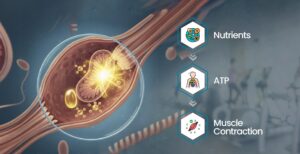
Energy vitamins do not give you energy the way caffeine or calories do. They keep the biochemical machinery running that produces it. Most B vitamins are converted into coenzymes, the helper molecules that enzymes need to break down glucose, fatty acids and amino acids and feed them into the mitochondria, where most ATP is made.
That is also why the benefit has a ceiling. Once your enzymes have enough of a coenzyme, adding more does not make them work faster. A deficiency slows the machinery down; a surplus does not speed it up.
The amounts below are the adult Recommended Dietary Allowances (RDA) or Adequate Intakes (AI) set by the US National Academies. They cover the needs of almost all healthy adults, from food and supplements combined.
Vitamin B1 (Thiamine): Carbohydrate Metabolism
Thiamine is a cofactor for the enzymes that turn the breakdown products of glucose into fuel for the mitochondria’s energy cycle, and it supports nerve signaling. The more carbohydrate you eat, the more thiamine you use. Deficiency is uncommon with a normal diet but is seen with heavy alcohol use, after bariatric surgery and in very restricted diets.
Daily need: 1.2 mg for men, 1.1 mg for women. Food sources: pork, trout, whole and fortified grains, beans, lentils and sunflower seeds.
Vitamin B2 (Riboflavin): Mitochondrial Energy Output
Riboflavin forms FAD and FMN, two coenzymes used in fat breakdown and in the electron transport chain, the final step of ATP production inside the mitochondria. It also helps activate vitamin B6 and folate.
Daily need: 1.3 mg for men, 1.1 mg for women. Food sources: milk, yogurt, eggs, lean meat, organ meats, mushrooms, almonds and fortified cereals.
Vitamin B3 (Niacin): The NAD Precursor
Niacin is turned into NAD and NADP. More than 400 enzymes depend on these two coenzymes, including the ones that release energy from carbohydrate and fat and those involved in DNA repair. Your body can also make some niacin from the amino acid tryptophan, so true deficiency is rare in people who eat enough protein. For more on NAD itself, see our guide to NAC vs NAD.
Daily need: 16 mg for men, 14 mg for women. Food sources: chicken, turkey, tuna, salmon, beef, peanuts and fortified grains.
Vitamin B5 (Pantothenic Acid): Coenzyme A
Vitamin B5 is used to make coenzyme A, which is central to breaking down fats and carbohydrates and to building fatty acids, cholesterol and steroid hormones. It is found in almost every food, which is why deficiency is extremely rare.
Daily need: 5 mg (AI). Food sources: chicken, beef, liver, eggs, mushrooms, avocado, sunflower seeds and whole grains.
Vitamin B6 (Pyridoxine): Protein Metabolism and Glycogen Use
The active form of B6 is a cofactor for more than 100 enzymes, most of them involved in amino acid metabolism. It is also needed to release glucose from stored glycogen, to make hemoglobin and to produce neurotransmitters such as serotonin and dopamine.
Daily need: 1.3 mg for adults up to 50; 1.7 mg for men and 1.5 mg for women over 50. Food sources: poultry, tuna, salmon, potatoes, chickpeas, bananas and fortified cereals.
Vitamin B7 (Biotin): Fat, Carb and Amino Acid Metabolism
Biotin is a cofactor for carboxylase enzymes that help make glucose, build fatty acids and break down certain amino acids. Deficiency is rare; regularly eating large amounts of raw egg white can cause it, because a protein in raw egg white binds biotin.
Daily need: 30 mcg (AI). Food sources: cooked eggs, liver, salmon, beef, sunflower seeds, almonds and sweet potato.
Vitamin B9 (Folate): Red Blood Cell Production
Folate is needed to make DNA and new cells, including red blood cells. A deficiency causes a type of anemia (megaloblastic anemia) in which red cells are too large and too few, which leaves you tired and short of breath on exertion. Anyone who could become pregnant is advised to take 400 mcg of folic acid a day to lower the risk of neural tube defects.
Daily need: 400 mcg DFE (dietary folate equivalents). Food sources: spinach and other leafy greens, lentils, beans, asparagus, Brussels sprouts and fortified bread and cereals.
Vitamin B12 (Cobalamin): Red Blood Cells and Nerves
B12 works with folate to build red blood cells and is needed to keep nerves healthy. Low B12 causes the same anemia as low folate, plus numbness, tingling and memory problems if it goes on long enough. It is the energy vitamin people are most likely to run short of.
B12 is found naturally only in animal foods, so vegans need fortified foods or a supplement. Absorption also falls with age and with long-term use of metformin or acid-reducing drugs, which is why adults over 50 are advised to get most of their B12 from supplements or fortified foods.
Daily need: 2.4 mcg. Food sources: clams, beef, liver, salmon, tuna, eggs, milk, cheese, and fortified plant milks, cereals and nutritional yeast.
Vitamin C: Recovery, Connective Tissue and Iron Absorption
Vitamin C is needed to make carnitine, which carries fatty acids into the mitochondria to be burned, and collagen, the main protein in tendons, ligaments and skin. It also improves the absorption of iron from plant foods and works as an antioxidant.
Regular vitamin C does not prevent colds in the general population, but in people under heavy short-term physical stress, such as marathon runners and soldiers in extreme conditions, studies pooled in a Cochrane review found it roughly halved the risk of catching a cold.
Daily need: 90 mg for men, 75 mg for women (smokers need 35 mg more). Food sources: red bell peppers, citrus fruit, kiwi, strawberries, broccoli and Brussels sprouts.
Vitamin D: Muscle Function and Bone Health
Vitamin D is not a direct energy booster. It controls calcium absorption and acts on receptors in muscle tissue, and low levels are linked with muscle weakness, bone loss and tiredness. Trials suggest supplements improve muscle strength mainly in people who start out deficient, especially older adults.
Low vitamin D is associated with lower testosterone in observational studies, but trials giving vitamin D to men with normal levels have mostly not raised testosterone. Correcting a deficiency is worthwhile; taking more once your level is adequate is not a testosterone strategy.
Daily need: 600 IU (15 mcg) for adults up to 70, 800 IU (20 mcg) over 70. Food sources: salmon, trout, sardines, cod liver oil, egg yolks, fortified milk and UV-exposed mushrooms. Sunlight on bare skin is the main source for most people, which is why levels drop in winter and in people who spend little time outdoors.
Vitamin E: Protecting Cell Membranes
Vitamin E is a fat-soluble antioxidant that protects cell membranes, including those of muscle cells, from oxidative damage. Deficiency is rare in healthy people and usually comes from conditions that impair fat absorption. There is no good evidence that extra vitamin E improves endurance or recovery in people who already get enough.
Daily need: 15 mg (about 22 IU of natural vitamin E). Food sources: sunflower seeds, almonds, hazelnuts, peanut butter, sunflower and safflower oil, and spinach.
Energy Vitamins Dosage Table
The upper limit (UL) is the most you can take daily over the long term without expected harm. Unless noted, it covers food and supplements together. Where no UL is set, no harm has been shown from food or supplements, but that does not mean megadoses are useful.
| Vitamin | Adult daily need | Upper limit (adults) | Good food sources |
|---|---|---|---|
| B1 (thiamine) | 1.1-1.2 mg | None set | Pork, trout, whole grains, beans |
| B2 (riboflavin) | 1.1-1.3 mg | None set | Dairy, eggs, meat, mushrooms |
| B3 (niacin) | 14-16 mg | 35 mg from supplements and fortified food | Poultry, tuna, beef, peanuts |
| B5 (pantothenic acid) | 5 mg | None set | Chicken, eggs, mushrooms, avocado |
| B6 (pyridoxine) | 1.3-1.7 mg | 100 mg (US); 12 mg (EU) | Poultry, fish, potatoes, chickpeas |
| B7 (biotin) | 30 mcg | None set | Cooked eggs, liver, salmon, seeds |
| B9 (folate) | 400 mcg DFE | 1,000 mcg as folic acid | Leafy greens, lentils, beans |
| B12 (cobalamin) | 2.4 mcg | None set | Meat, fish, eggs, dairy, fortified foods |
| Vitamin C | 75-90 mg | 2,000 mg | Peppers, citrus, kiwi, broccoli |
| Vitamin D | 600-800 IU (15-20 mcg) | 4,000 IU (100 mcg) | Fatty fish, egg yolks, fortified milk, sun |
| Vitamin E | 15 mg | 1,000 mg from supplements | Nuts, seeds, plant oils |
Timing matters far less than consistency. Water-soluble vitamins (the B group and C) can be taken at any time of day. Vitamins D and E are fat-soluble and are absorbed better with a meal that contains some fat.
Iron and Magnesium: The Minerals Behind Energy
Two minerals matter as much as any vitamin for how energetic you feel. Iron carries oxygen in hemoglobin and is part of the mitochondrial enzymes that make ATP. Iron deficiency is the most common nutrient deficiency worldwide, and low iron stores (low ferritin) can cause tiredness and poorer endurance even before anemia appears. Women with heavy periods, endurance athletes, frequent blood donors and vegetarians are most at risk. Adults need 8 mg a day (men and women over 50) or 18 mg (women 19-50); vegetarians need about 1.8 times more. Do not take iron without a blood test, since excess iron is harmful.
Magnesium is needed for ATP to work at all: inside cells, ATP is active as a magnesium-ATP complex. It also supports muscle contraction and nerve function. Men need 400-420 mg a day and women 310-320 mg, and many people eat less than that. The upper limit for magnesium from supplements is 350 mg a day, mainly because higher doses cause diarrhea. If you supplement, the form matters for tolerance; see our comparison of magnesium bisglycinate vs glycinate.
What Energy Vitamins Can and Cannot Do
If you are deficient, correcting it can make a real difference: anemia from low B12 or folate resolves, nerve symptoms from low B12 improve, and strength can improve in people with low vitamin D. People in that position often notice they tire less quickly in training and in daily life.
If your levels are already adequate, there is little evidence that extra vitamins improve strength, endurance or muscle growth. High-dose antioxidants may even work against you: several trials have found that large daily doses of vitamin C (around 1,000 mg) combined with vitamin E blunted some cellular training adaptations, such as markers of new mitochondria, without improving performance. For most people training hard, the vitamins from a varied diet are enough, and antioxidant megadoses around training are best avoided.
Who Is Most Likely to Benefit?
Energy vitamins help most in people whose intake or absorption is low. That includes:
- Vegans and vegetarians. B12 is the main concern, since plants do not supply it; iron and vitamin D can also run low. Our plant-based meal plan for athletes shows how to cover the gaps.
- Adults over 50. Stomach acid falls with age, which reduces B12 absorption from food, and the skin makes less vitamin D.
- People on certain medications. Long-term metformin and acid-reducing drugs (proton pump inhibitors and H2 blockers) lower B12 absorption.
- People who get little sun. Office workers, people in northern latitudes in winter and people with darker skin make less vitamin D from sunlight.
- People on low-calorie diets. Eating less food means taking in fewer micronutrients, especially during long cutting phases.
- Heavy drinkers. Alcohol reduces the absorption and storage of thiamine, folate and other B vitamins.
- Endurance athletes and women with heavy periods. They are at higher risk of low iron, which often shows up as fatigue first.
Food First, Then Fill the Gaps
A diet built on meat, fish or eggs, dairy or fortified alternatives, whole grains, legumes, fruit and vegetables covers most adults’ vitamin needs. Supplements make the most sense for specific gaps: B12 for vegans and older adults, vitamin D when sun exposure is low or a blood test shows a low level, and folic acid for anyone who could become pregnant.
A basic multivitamin at around 100% of the daily values is a reasonable low-cost insurance policy if your diet is limited. Look for products that are third-party tested, and for drug-tested athletes, certified for sport. Our guide to the best multivitamins for bodybuilders explains what to look for on the label.

Pros
- Catalog is specifically organized around muscle building, fat loss, testosterone support, and workout performance.
- Range includes creatine, protein, EAAs, beta-alanine, and L-citrulline alongside more specialized formulas.
- Orders of $99+ qualify for free US shipping.
Cons
- Features several strong claims around muscle growth, testosterone, fat loss, and metabolic effects that should be distinguished from independently demonstrated clinical outcomes
- Heavily oriented toward bodybuilding and performance rather than broader nutritional supplementation.
Side Effects and Safety
The B vitamins and vitamin C are water-soluble, so at normal doses the excess is passed in urine. That makes them low-risk at RDA levels, but not harmless at any dose. Vitamins D and E are fat-soluble and build up in the body, so long-term high doses carry more risk.
High Doses Can Backfire
- Vitamin B6: long-term high intake can cause sensory neuropathy (numbness, tingling and burning in the hands and feet). The US upper limit is 100 mg a day; the European Food Safety Authority has set a much lower limit of 12 mg a day after reports of nerve symptoms at lower doses. Check how much B6 is in all your products combined, including pre-workouts and sleep blends.
- Niacin (nicotinic acid): doses above about 30-50 mg often cause skin flushing, itching and stomach upset. Gram doses used for cholesterol can cause liver damage, especially in slow-release form. Large doses also suppress fat release from fat tissue, the opposite of what an endurance athlete wants.
- Folic acid: high doses can hide the anemia of B12 deficiency while the nerve damage continues, which is why the upper limit applies to folic acid from supplements and fortified foods.
- Biotin: high-dose biotin (common in hair and nail products) can interfere with blood tests, including thyroid and troponin tests, and produce falsely high or low results. Tell your doctor before blood work.
- Vitamin C: above about 2,000 mg a day it commonly causes diarrhea and stomach cramps.
- Vitamin D: chronic intake well above 4,000 IU a day without medical supervision can raise blood calcium, causing nausea, weakness and kidney problems.
- Vitamin E: high doses increase bleeding risk, especially with blood thinners. In the large SELECT trial, men taking 400 IU a day of synthetic vitamin E had a modestly higher risk of prostate cancer.
Stomach Upset
Some people get nausea or an upset stomach when they take vitamins, especially multivitamins with iron, on an empty stomach. Taking them with a meal usually solves it.
Masking the Real Cause of Fatigue
Tiredness has many causes besides vitamins: poor sleep, under-eating, overtraining, low iron, thyroid problems, depression and other medical conditions. If fatigue lasts more than a few weeks, ask your doctor for blood tests (commonly B12, folate, ferritin, vitamin D and thyroid function) rather than guessing with supplements. Vitamins support energy metabolism, but they cannot replace enough food, sleep and recovery.
The Bottom Line
Energy vitamins keep your body’s energy machinery running, but they only boost energy and performance when they correct a shortfall.
- A varied diet covers most adults’ needs. The common gaps are B12 (vegans, over-50s, metformin or acid-reducer users), vitamin D (little sun) and iron (endurance athletes, women with heavy periods).
- Stay near the RDA and under the upper limits. High-dose B6, niacin, vitamin D and vitamin E have real risks, and antioxidant megadoses may blunt training adaptations.
- If you are tired for weeks, get tested before you supplement. The fix might be a vitamin, iron, or something that has nothing to do with either.
Frequently Asked Questions
Disclaimer
Please read carefully
The information on this site is for educational and informational purposes only, and is not medical advice. Always consult a qualified healthcare professional before using any supplement or medication, or making changes to your health, fitness, or nutrition routine.
Not medical advice
Content here is not a substitute for professional medical advice.
Consult your doctor
Talk to your doctor before starting any supplement or new routine.
Use at your own risk
We are not responsible for adverse effects from acting on this.
Do your research
Make informed decisions about your own health.
No guarantees
Individual results vary. No claims about outcomes.
Important — Never disregard professional medical advice or delay seeking it because of something you read here. If you think you may have a medical emergency, call your doctor or your local emergency number right away.