Contents12 sections
Most lists of the best peptides for women mix three very different things: prescription drugs tested in thousands of women, skincare ingredients with a few small studies behind them, and research chemicals never tested in women at all. Side by side they look equally proven. They are not.
The strongest evidence is for semaglutide and tirzepatide for weight loss, and bremelanotide (PT-141) for low desire. Skin peptides modestly soften fine lines. Growth hormone peptides, BPC-157 and TB-500 are popular online, but human evidence is thin.
This guide goes goal by goal: fat loss, libido, skin, growth hormone and recovery. For each peptide it covers how it works, what studies show, label doses, side effects, and issues specific to women such as contraception, pregnancy and menopause.
Key Takeaways
- The best-studied peptides for women are prescription drugs: semaglutide and tirzepatide for weight loss, and bremelanotide (PT-141, sold as Vyleesi) for low sexual desire before menopause.
- In large trials where most participants were women, semaglutide 2.4 mg cut body weight by about 15% and tirzepatide 15 mg by about 21% on average over 68-72 weeks.
- PT-141 acts on melanocortin receptors in the brain, not on blood flow. In trials it modestly raised desire and lowered distress, and about 4 in 10 women had nausea.
- Skin peptides such as Matrixyl, argireline and GHK-Cu are cosmetic ingredients with small studies showing modest effects on fine lines.
- Growth hormone peptides, BPC-157 and TB-500 lack good trials in women. Tirzepatide can make the pill less reliable, and none is established as safe in pregnancy.
Three Kinds of “Peptides for Women”
A peptide is a short chain of amino acids; insulin and the collagen in a face serum both qualify. The word says nothing about whether a product works. What matters is its group:
- Approved medicines. Semaglutide, tirzepatide, bremelanotide and tesamorelin passed randomized trials and regulatory review; their effects and risks are well documented.
- Cosmetic ingredients. Matrixyl, argireline and copper peptides (GHK-Cu) are sold in creams and serums without clinical trials. Most studies behind them are small and funded by ingredient makers.
- Research peptides. Ipamorelin, CJC-1295, BPC-157, TB-500 and investigational drugs such as retatrutide are sold “for research use only”. They are not approved for human use, and their purity depends on the seller.
An approved drug taken under medical supervision is a very different decision from injecting a research powder mostly tested in rats.
Peptides for Women at a Glance
| Peptide | Main Use | Form | Evidence | Status |
|---|---|---|---|---|
| Semaglutide | Weight loss | Weekly injection | Large trials, mostly women | FDA-approved (Wegovy for weight, Ozempic for diabetes) |
| Tirzepatide | Weight loss | Weekly injection | Large trials, mostly women | FDA-approved (Zepbound for weight, Mounjaro for diabetes) |
| Retatrutide | Weight loss | Weekly injection | Phase 2 trial | Investigational, not approved |
| Bremelanotide (PT-141) | Low sexual desire | Injection before sex | Two phase 3 trials in premenopausal women | FDA-approved (Vyleesi) |
| Matrixyl, argireline | Fine lines and wrinkles | Serum or cream | Small, mostly industry-funded studies | Cosmetic ingredients |
| GHK-Cu | Skin firmness | Topical; sometimes injected | Small topical studies | Cosmetic ingredient |
| Tesamorelin | Visceral belly fat | Daily injection | Trials in HIV-associated lipodystrophy | FDA-approved (Egrifta) for that use only |
| Ipamorelin, CJC-1295 | Growth hormone release | Injection | No fat-loss trials | Research compounds |
| BPC-157, TB-500 | Injury recovery | Injection | Mostly animal studies | Research compounds; WADA-prohibited |
Best Peptides for Weight Loss in Women
GLP-1 drugs are the only peptides with large, long-term trials showing major fat loss, mostly in women. They mimic gut hormones released after a meal, slowing stomach emptying and acting on appetite centers in the brain, so people eat less. For a wider comparison, see our guide to the best peptides for weight loss.
Semaglutide (Wegovy, Ozempic)
Semaglutide is a once-weekly GLP-1 receptor agonist. As Wegovy, it is FDA-approved for weight management in adults with a BMI of 30 or more, or 27 or more with a weight-related condition. Ozempic is the same molecule at lower doses for type 2 diabetes.
In the STEP 1 trial, nearly 2,000 adults without diabetes, roughly three-quarters of them women, took semaglutide 2.4 mg or placebo for 68 weeks with diet and exercise advice. They lost 14.9% of body weight on average, against 2.4% on placebo.
The label dose starts at 0.25 mg a week and rises every four weeks to 2.4 mg by week 17. The slow increase limits nausea, vomiting, diarrhea and constipation, the most common side effects. Serious but less common risks include gallbladder problems and pancreatitis, and a boxed warning covers thyroid C-cell tumors seen in rodents. It is not for anyone with a personal or family history of medullary thyroid cancer or MEN 2.
Tirzepatide (Zepbound, Mounjaro)
Tirzepatide activates two receptors, GIP and GLP-1, and on average produces more weight loss than semaglutide. In SURMOUNT-1, about 2,500 adults with obesity, two-thirds of them women, lost 15.0%, 19.5% and 20.9% of body weight on 5, 10 and 15 mg a week over 72 weeks, against 3.1% on placebo.
Label dosing starts at 2.5 mg a week and rises in 2.5 mg steps every four weeks to a maintenance dose of 5, 10 or 15 mg. Side effects are similar to semaglutide’s and mostly digestive.
One point matters specifically for women: tirzepatide can make oral contraceptives less reliable because it slows stomach emptying. The label advises a non-oral or added barrier method for four weeks after starting and after each dose increase. Our tirzepatide guide has more detail.
Retatrutide
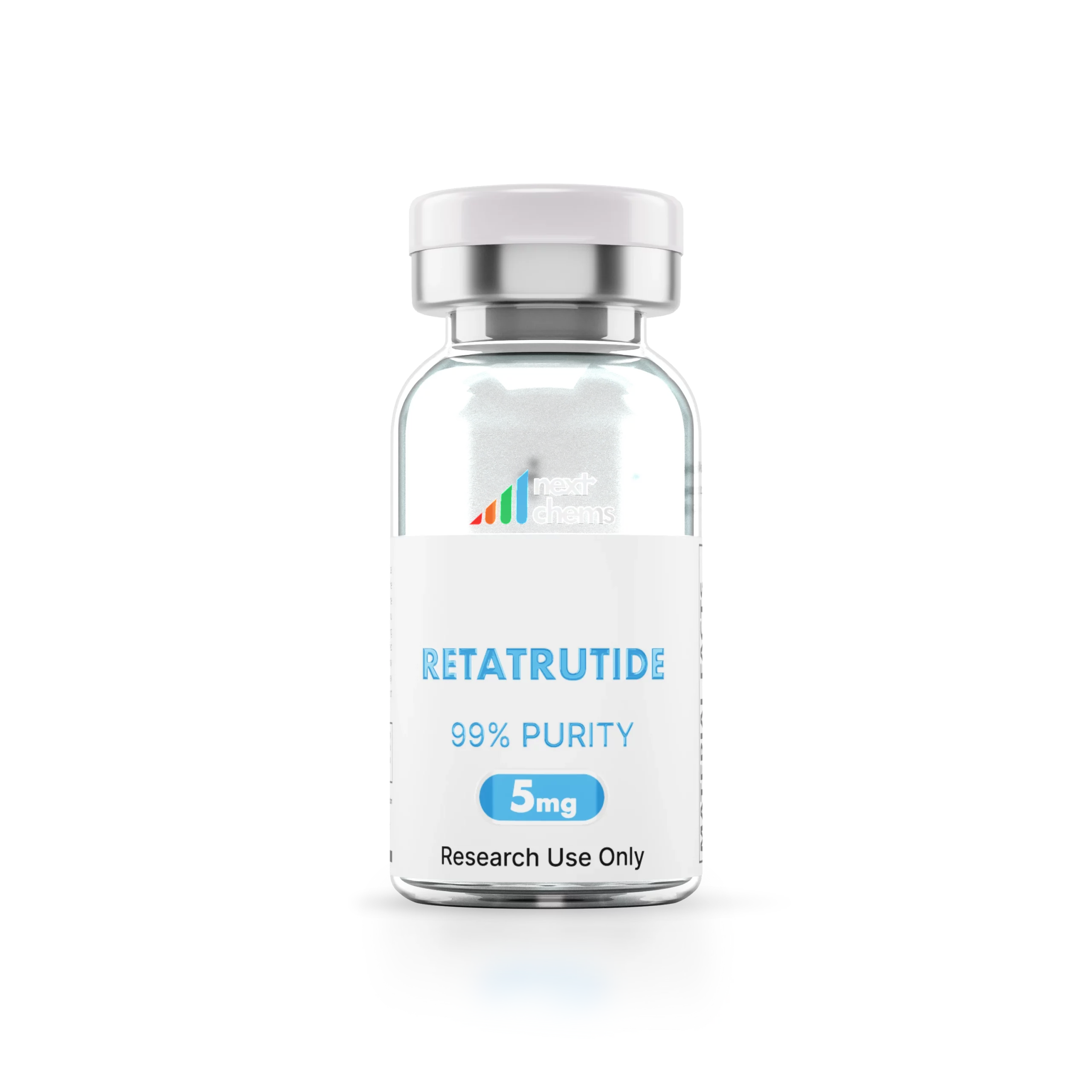
Retatrutide adds a third target, the glucagon receptor, to GLP-1 and GIP. In a 48-week phase 2 trial, people with obesity on the highest dose (12 mg a week) lost 24.2% of their body weight on average. It is still in phase 3 trials and not approved. Products sold online are research chemicals, not the pharmaceutical drug, so their content cannot be taken on trust.

Overview
- Studied For: Triple-receptor activity, appetite and metabolic signalling support, substantial weight-loss potential, improved glucose regulation
- Mechanism: Triple receptor agonist targeting GLP-1, GIP, and glucagon receptors
- Available Strengths: 5mg, 20mg, and 30mg vials
- Form: Lyophilised powder
- Research Status: Appetite regulation, metabolic signalling, glucose regulation, energy expenditure
Pros
- Targets GLP-1, GIP, and glucagon receptors within a single compound
- Phase 2 research reported substantial body-weight reductions over 48 weeks
- Being studied for potential improvements in glucose regulation, energy expenditure, and liver-fat levels
Cons
- Remains investigational and is not currently approved by regulatory authorities
- Commonly reported effects include nausea, diarrhea, vomiting, constipation, and abdominal discomfort
- Long-term safety and effectiveness are still being evaluated in clinical trials
Keeping Muscle and Bone While You Lose Weight
Not all the weight lost on GLP-1 drugs is fat. In body-composition sub-studies of the main trials, roughly a quarter to two-fifths of the weight lost was lean mass. Rapid weight loss can also lower bone density, which matters more after menopause.
The counter-measures: resistance training two to three times a week, enough protein (around 1.2-1.6 g per kg of body weight a day is often recommended), calcium and vitamin D.
Weight also comes back after stopping: in the STEP 1 extension, people regained about two-thirds of the lost weight within a year of stopping semaglutide. These drugs are long-term treatment, not a short cycle.
Best Peptide for Low Libido: PT-141 (Bremelanotide)
Bremelanotide (PT-141) is the only peptide approved to treat low sexual desire in women. Sold as Vyleesi, it is FDA-approved for premenopausal women with acquired, generalized hypoactive sexual desire disorder (HSDD): low desire that causes distress and isn’t explained by a medical or mental health condition, relationship problems or medication. It is not approved for postmenopausal women or for men.
How PT-141 Works
Developed from Melanotan II, PT-141 activates several melanocortin receptors in the brain, including the MC4 receptor, which is involved in sexual function. Exactly how this improves desire is not fully understood.
Unlike sildenafil, it does not work by increasing genital blood flow or “energy production”, a common error in older articles.
What the Trials Show
Two 24-week phase 3 trials, the RECONNECT studies, enrolled more than 1,200 premenopausal women with HSDD. Compared with placebo, bremelanotide produced statistically significant but modest improvements in desire scores and reduced the distress linked to low desire. It did not significantly increase the number of satisfying sexual events.
Dose, Side Effects and Who Should Avoid It
The label dose is 1.75 mg injected under the skin of the abdomen or thigh with an autoinjector, at least 45 minutes before expected sexual activity: no more than one dose in 24 hours or eight doses a month. The label advises stopping after eight weeks if there is no improvement.
Nausea is the main drawback: about 40% of women had it in the trials, mostly after the first dose, against about 1% on placebo. Flushing, headache and injection-site reactions were common too. Each dose briefly raises blood pressure, so it is not for women with uncontrolled high blood pressure or heart disease. Around 1% developed darker patches of skin on the face, gums or breasts, which did not always fade after stopping. It can also lower blood levels of oral naltrexone.
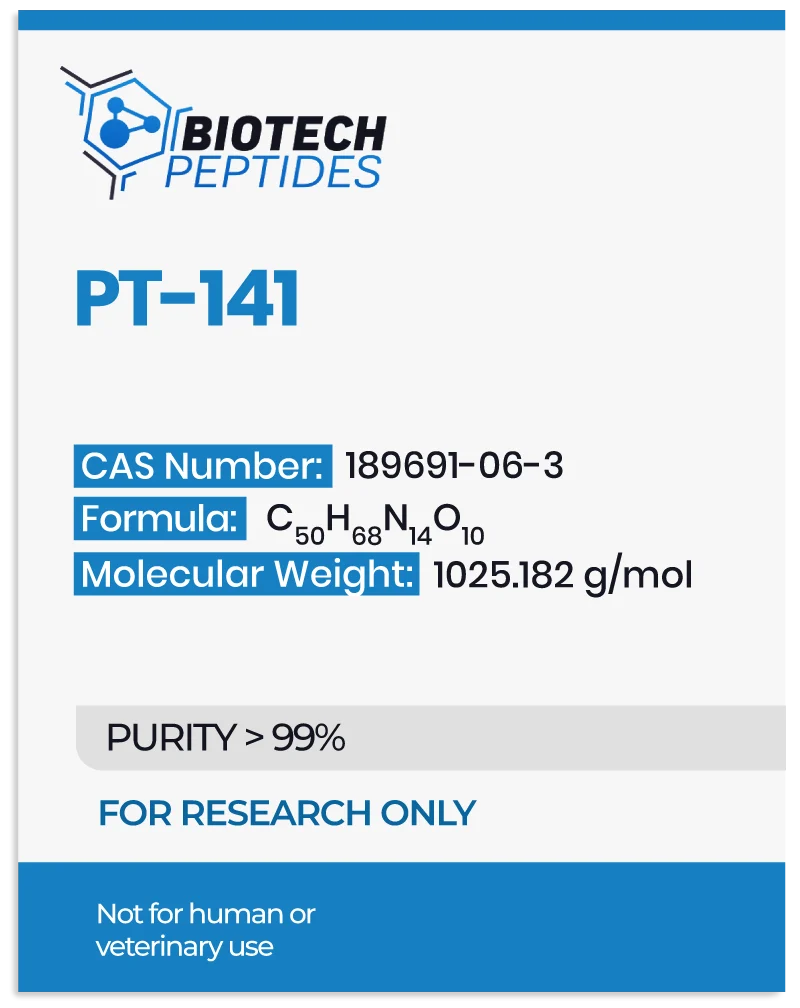

Overview
- Form: Lyophilized powder
- Researched Dosage: 1.75 mg as needed, at least 45 minutes before activity
- Typical Cycle: Used as needed rather than in cycles
- Cost: $45
- Stacking Options: Tadalafil, Kisspeptin-10, Oxytocin
Pros
- Acts on melanocortin receptors in the brain rather than on blood flow, so it targets sexual desire and arousal directly.
- FDA approved a pharmaceutical version (Vyleesi) in 2019 for low sexual desire in premenopausal women, with supporting phase 3 trial data.
- Early trials in men suggest it may help some who don’t respond well to PDE5 inhibitors like sildenafil.
Cons
- Nausea is common. About 40% of women in phase 3 trials had it, and flushing and headache were also frequent.
- Briefly raises blood pressure and lower heart rate after a dose, so it isn’t recommended for people with high blood pressure or heart disease.
- With repeated use it can darken the skin and gums, and this doesn’t always fade.
Kisspeptin and Melanotan II
Kisspeptin, a natural hormone at the top of the reproductive chain, has been studied in IVF, and small brain-imaging studies suggest it may change responses to sexual cues. It is not an approved libido treatment and has no established dose.
Melanotan II, PT-141’s parent compound, is unapproved, darkens the skin and has been linked in case reports to new or changing moles.
Best Peptides for Skin and Anti-Aging
Skin peptides are the easiest to get, in many serums and creams. As cosmetic ingredients, they can be sold without proving they work. The evidence is real but modest: softer fine lines after two to three months of daily use, not the effect of a filler or botulinum toxin.
Matrixyl (Palmitoyl Pentapeptide-4)
Matrixyl is a five-amino-acid fragment of procollagen with a fatty acid attached to help it get into the skin. In lab studies it signals skin cells called fibroblasts to produce more collagen. In a 12-week split-face study in women, a moisturizer containing palmitoyl pentapeptide improved the look of fine lines and wrinkles more than the same moisturizer without it.
Despite what some older articles claim, Matrixyl is a topical ingredient, not an injection. Matrixyl 3000 is a different blend of two peptides.
Argireline (Acetyl Hexapeptide-8)
Argireline is often marketed as “Botox in a jar”. It is designed to mimic part of SNAP-25, a protein nerves need to release the signal that contracts muscles, so in theory it dampens the small muscle movements behind expression lines. Small studies report shallower wrinkles after several weeks, but the effect is far weaker than botulinum toxin because little of the peptide gets through the skin.
Side effects are usually limited to mild irritation, redness or dryness; patch-test a new product first.
GHK-Cu (Copper Peptide)
GHK-Cu is a copper-binding tripeptide found naturally in blood, where levels fall with age. In small studies, creams containing it improved skin firmness, density and fine lines over about 12 weeks. Some people now inject GHK-Cu bought as a research peptide, but there are no clinical trials of injected GHK-Cu. Our GHK-Cu guide covers the research in more depth.
Oral Collagen Peptides
Hydrolyzed collagen powders are also peptides, and they are the best-studied skin option you can buy in a shop. Randomized trials and meta-analyses suggest modest improvements in skin hydration and elasticity after two to three months, although many of the trials were funded by manufacturers. They are a food supplement and are generally well tolerated.
Growth Hormone Peptides: Ipamorelin, CJC-1295 and Tesamorelin
Ipamorelin and CJC-1295 are sold to women for fat loss, sleep and anti-aging. Both raise the body’s own growth hormone (GH) and IGF-1: ipamorelin mimics ghrelin at the pituitary, and CJC-1295 is a long-acting version of growth hormone-releasing hormone (GHRH).
The human data are thin. Ipamorelin’s trials were for bowel recovery after surgery, where it did not beat placebo. In small studies in healthy adults, one injection of CJC-1295 with DAC raised GH and IGF-1 for days, but it was never approved. Neither has been tested for fat loss in women, and there are no established doses; online protocols reflect user reports, not trials.
Tesamorelin is the exception: a GHRH analog approved, as Egrifta, to reduce excess abdominal fat in HIV-associated lipodystrophy. In those trials, which included women, it cut deep (visceral) belly fat by around 15% over six months, but the fat returned after stopping. It is not approved for general weight loss.
For women, oral estrogen (the pill or menopausal hormone therapy) blunts the liver’s IGF-1 response to GH, so results can differ from what men report. Higher GH and IGF-1 can cause fluid retention, joint aches, tingling hands and higher blood sugar. Observational studies link higher natural IGF-1 with a modestly higher breast cancer risk; whether peptides change that risk is unknown.


What makes Ipamorelin stand out is its selectivity — it boosts GH without significantly affecting cortisol, prolactin, or other hormones.
This peptide is widely used for its ability to support recovery, promote deeper sleep, and help preserve lean muscle. Many athletes and fitness enthusiasts notice faster recovery between training sessions and improved energy balance.
Overview
- Studied For: Growth hormone release, recovery, body composition, muscle repair, fat metabolism, and healthy-ageing pathways
- Mechanism: Selectively activates ghrelin receptors in the anterior pituitary gland to stimulate pulsatile growth hormone secretion
- Available Strength: 2mg vial
- Form: Peptide vial supplied for reconstitution
- Research Status: Investigational growth hormone secretagogue intended for research use
Pros
- Stimulates GH release with minimal impact on other hormones
- Supports recovery, sleep quality, and lean mass retention
- Generally considered to have a milder side effect profile compared to stronger GH analogs
Cons
- Short half-life requires frequent or carefully timed dosing
- Limited human clinical research and long-term data
- Injection site discomfort and mild side effects possible
Peptides for Recovery: BPC-157 and TB-500
BPC-157 and TB-500 are marketed for injuries, tendon pain and recovery. Almost all the evidence comes from rodent and cell studies showing faster healing of tendons, muscle and gut lining. Human data are limited to a few small, uncontrolled reports, none in women specifically.
Both are research compounds, not approved for human use. The FDA has listed BPC-157 among bulk substances that raise significant safety concerns for compounding, and both are prohibited in competitive sport under the WADA code. See our overview of peptide side effects for what can go wrong with injected peptides.
What Women Should Check Before Using Any Peptide
- Pregnancy and breastfeeding. None of these peptides is established as safe in pregnancy or breastfeeding (see the FAQ below).
- Contraception and fertility. Tirzepatide can make the pill less reliable, and weight loss itself can restore ovulation in women with PCOS or irregular cycles, so unplanned pregnancy is a real risk.
- Menopause. Muscle and bone loss speed up after menopause. Pair any weight-loss treatment with strength training and protein, and ask about bone health if you are losing weight quickly.
- Sourcing. Research peptides have no pharmaceutical quality control and can contain the wrong amount or impurities; a certificate of analysis does not prove a product is safe to inject. The FDA has also warned about dosing errors with compounded semaglutide.
The Bottom Line
The best peptides for women are the ones with real evidence behind them, and for most goals that means approved drugs or modest skincare ingredients, not research chemicals.
- For weight loss, semaglutide and tirzepatide have the strongest evidence, with average losses of about 15-21% in trials of mostly women. Strength training and protein help protect muscle and bone.
- For low desire before menopause, PT-141 (Vyleesi) is approved and works in the brain, but the benefit is modest and nausea is common.
- Skin peptides and oral collagen give modest improvements; growth hormone peptides, BPC-157 and TB-500 remain unproven in women.
- Check contraception, pregnancy plans and sourcing first, and involve a doctor for any injectable peptide.
Frequently Asked Questions
Disclaimer
Please read carefully
The information on this site is for educational and informational purposes only, and is not medical advice. Always consult a qualified healthcare professional before using any supplement or medication, or making changes to your health, fitness, or nutrition routine.
Not medical advice
Content here is not a substitute for professional medical advice.
Consult your doctor
Talk to your doctor before starting any supplement or new routine.
Use at your own risk
We are not responsible for adverse effects from acting on this.
Do your research
Make informed decisions about your own health.
No guarantees
Individual results vary. No claims about outcomes.
Important — Never disregard professional medical advice or delay seeking it because of something you read here. If you think you may have a medical emergency, call your doctor or your local emergency number right away.