
Contents10 sections
Thinning hair usually starts slowly: a wider part, a receding temple, more scalp showing under bathroom lights. For most men in their 20s to 40s, the cause is male pattern hair loss (androgenetic alopecia), and the hormone behind it is DHT (dihydrotestosterone).
DHT is made from testosterone by an enzyme called 5-alpha reductase. In people whose scalp follicles are genetically sensitive to it, DHT gradually shrinks those follicles until they only produce short, fine hairs. The problem is the follicles’ sensitivity, not unusually high DHT: most men with pattern hair loss have normal hormone levels.
The proven treatments are drugs such as finasteride, which lowers DHT, and minoxidil, which works another way. Because finasteride can cause side effects such as lower sex drive in some men, many people look for natural DHT blockers instead. This guide covers the most common ones, how they are thought to work and how much human evidence each really has.
The short version: a few have small positive trials, most are backed only by lab studies, and none matches finasteride.
Key Takeaways
- DHT drives male pattern hair loss by shrinking genetically sensitive follicles; most men who lose hair have normal DHT levels.
- Pumpkin seed oil, saw palmetto and topical rosemary oil have the best human data among natural options, but it comes from small studies.
- Nettle root, pygeum, reishi, green tea, curcumin, lycopene and flaxseed are backed mainly by lab or prostate research, not hair-loss trials.
- None matches finasteride, which lowers blood DHT by about two-thirds; in a two-year comparison, saw palmetto helped far fewer men.
- Judge any approach after at least 6 months and expect the benefit to fade when you stop; zinc only helps if you are low in it.
How Natural Ingredients Are Thought to Block DHT
Natural DHT blockers are said to protect hair in five ways. Each mechanism is real in principle, but for most plant extracts it has only been shown in cell or animal studies, not in human scalps.
1. Block 5-Alpha Reductase
This enzyme converts testosterone into DHT. Its type 2 form dominates in hair follicles and the prostate, and it is the form finasteride blocks. Saw palmetto, pumpkin seed oil, green tea and rosemary extracts inhibit the enzyme in lab tests, but human data on DHT levels are sparse, and where an effect has been seen it is much smaller than finasteride’s.
2. Compete for Androgen Receptors
Some compounds stop DHT from binding to the androgen receptors in the follicle. The research drug RU58841 works this way. Claims that plant extracts do the same in the scalp are based on lab work at most.
3. Reduce Inflammation
Shrinking follicles often show low-grade inflammation around them. Curcumin and reishi have anti-inflammatory effects in lab studies, but whether that helps pattern hair loss in people has not been properly tested.
4. Boost Scalp Circulation
Blood flow brings oxygen and nutrients to the follicle. Minoxidil was first a blood pressure drug that widens blood vessels, although its hair effect is thought to come mainly from lengthening the growth phase. Topical rosemary oil is often used for the same purpose; its one human trial is covered below.
5. Support Hormonal Balance
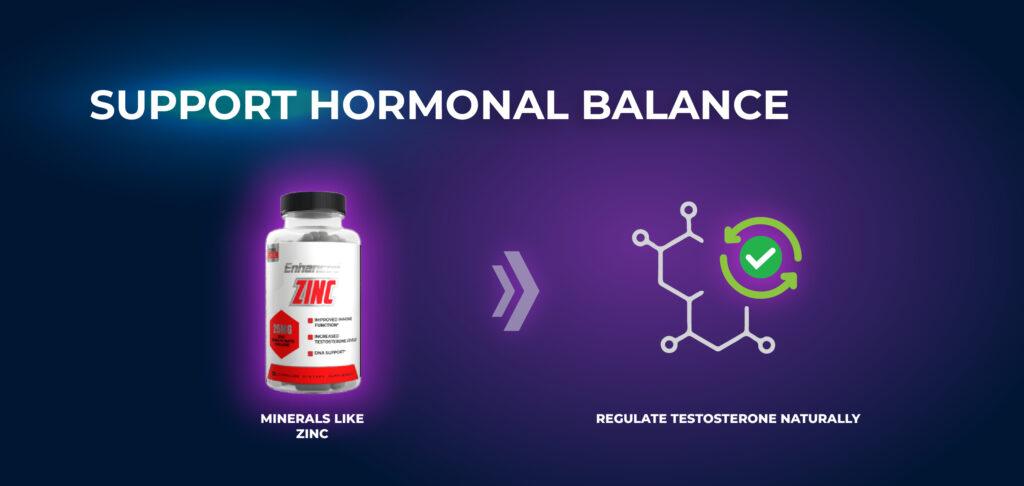
Zinc is needed for normal testosterone production, and zinc deficiency can itself cause hair shedding. Correcting a deficiency helps. Taking extra zinc when your levels are already normal has not been shown to slow pattern hair loss.
Common Natural DHT Blockers and What the Evidence Shows
The ingredients below are the ones most often sold as natural DHT blockers. Doses are the ones used in studies or commonly reported, not recommendations. Here is how the evidence stacks up, from strongest to weakest:
| Ingredient | Best human evidence for hair | Evidence grade |
|---|---|---|
| Pumpkin seed oil | One 24-week placebo-controlled trial in 76 men (blended capsule) | Low to moderate |
| Saw palmetto | Small trials; less effective than finasteride head to head | Low |
| Rosemary oil (topical) | One 6-month trial against 2% minoxidil | Low |
| Zinc | Helps shedding caused by deficiency only | Only if deficient |
| Green tea extract (EGCG) | Lab studies only | Very low |
| Stinging nettle root | Lab studies; prostate trials | Very low |
| Pygeum bark | Prostate trials only | Very low |
| Reishi mushroom | Lab and rat studies | Very low |
| Curcumin | Lab studies only | Very low |
| Lycopene | Prostate research only | Very low |
| Flaxseed lignans | Lab studies only | Very low |
Saw Palmetto
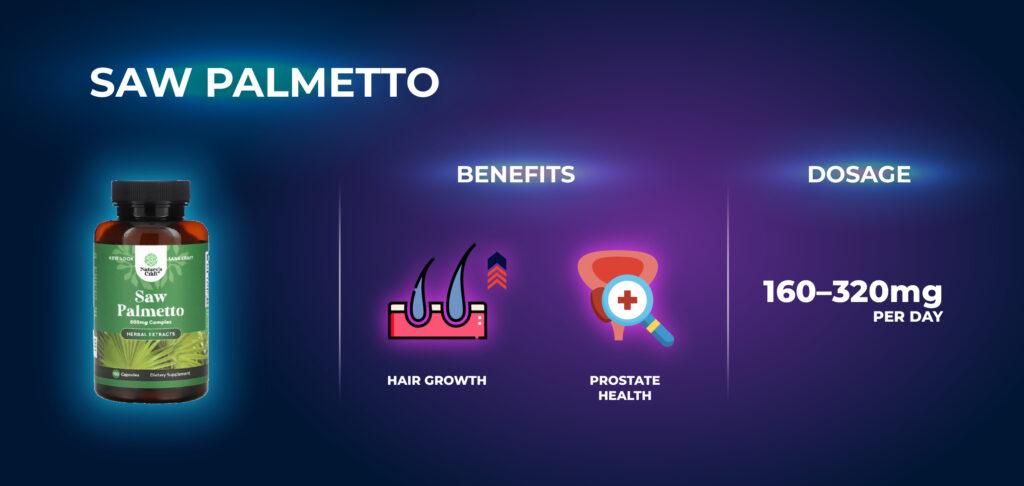
- Mechanism: Extracts of the berry inhibit both types of 5-alpha reductase in lab studies. It is the most studied plant-based 5-alpha reductase inhibitor.
- Evidence: A systematic review found improvements in hair count or self-rated hair quality in several studies, but the studies were small and mostly of low quality. In a two-year comparison in 100 men, 38% of those on saw palmetto improved versus 68% on finasteride. For prostate symptoms, the two largest placebo-controlled trials found it no better than placebo.
- Dose used in studies: 320 mg per day of an extract standardized to 85-95% fatty acids and sterols, often split into two 160 mg doses.
Pumpkin Seed Oil
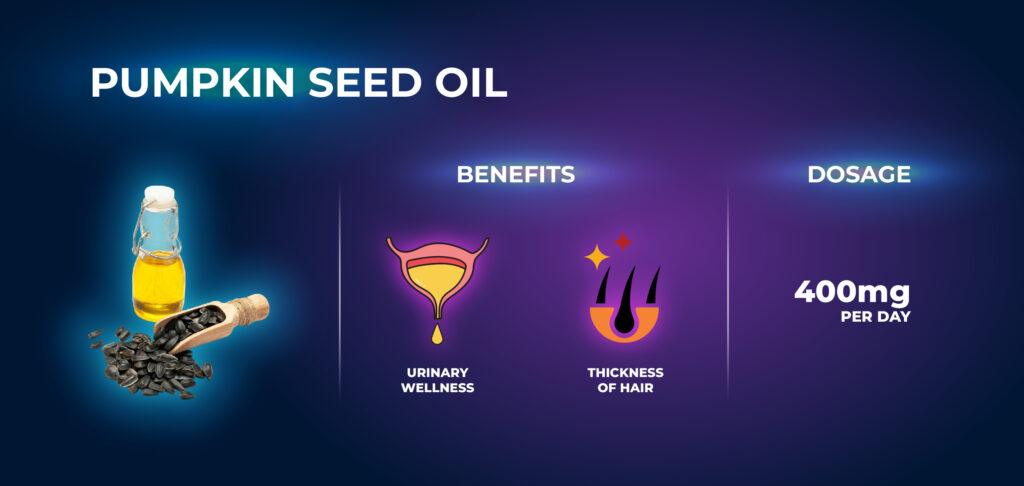
- Mechanism: Rich in plant sterols such as beta-sitosterol. It is thought to inhibit 5-alpha reductase, based mainly on lab and animal studies.
- Evidence: It has the best single trial of any natural option. In a 24-week randomized, placebo-controlled trial in 76 men with pattern hair loss, hair count rose about 40% with pumpkin seed oil versus about 10% with placebo. The capsules also contained other plant ingredients, the trial was small, and it has not been repeated.
- Dose used in the trial: 400 mg per day by mouth.
Rosemary Oil (Topical)
- Mechanism: Rosemary leaf extract inhibited 5-alpha reductase and improved hair regrowth in mouse studies.
- Evidence: In a six-month trial in 100 men with pattern hair loss, rosemary oil applied to the scalp increased hair count about as much as 2% minoxidil, with less scalp itching. It is a single trial, and 2% is the weaker minoxidil strength.
- Commonly reported use: A few drops of rosemary essential oil diluted in a carrier oil and massaged into the scalp once a day. Undiluted essential oil can irritate the skin.
Stinging Nettle Root
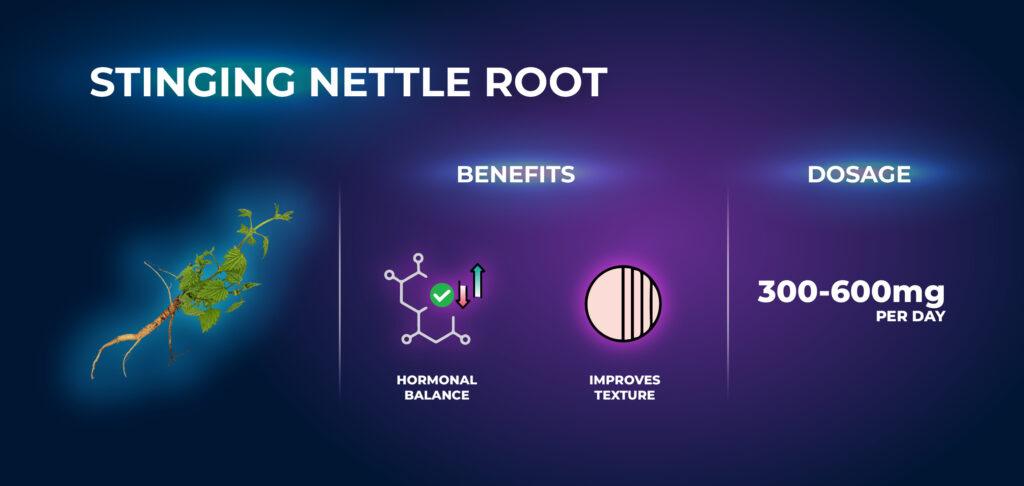
- Mechanism: Lignans in nettle root bind to SHBG (sex hormone-binding globulin) in lab studies, and root extracts weakly inhibit 5-alpha reductase and aromatase in the test tube. It does not work by “lowering SHBG-bound DHT”, and whether any of this matters in the scalp is unknown.
- Evidence: Studied for enlarged-prostate symptoms, often combined with saw palmetto. There are no controlled hair-loss trials in men or women.
- Commonly reported dose: 300-600 mg per day of root extract.
Pygeum Bark Extract
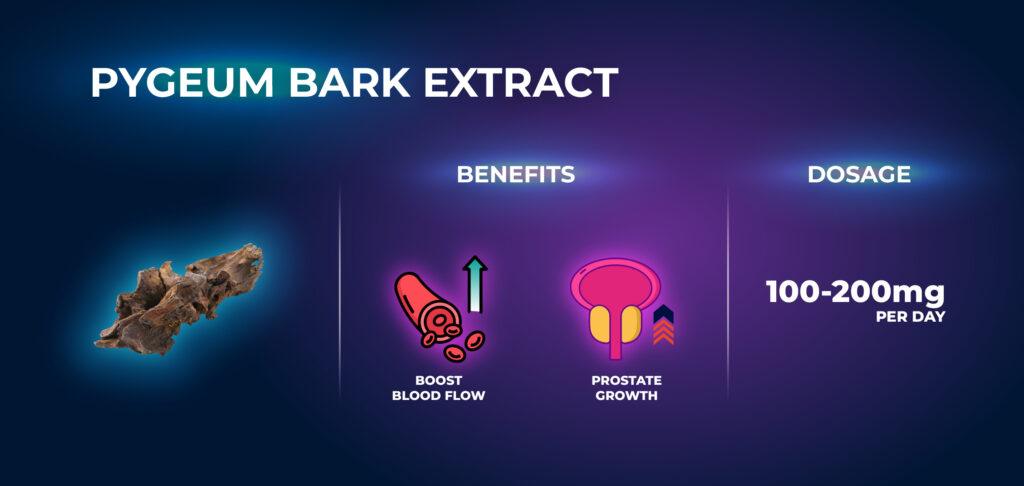
- Mechanism: Bark extract from the African cherry tree. Lab studies suggest anti-inflammatory effects and slower growth of prostate cells; calling it a “natural anti-androgen” overstates the data.
- Evidence: Older, small trials found modest improvements in urinary symptoms from an enlarged prostate. There are no hair-loss trials.
- Dose used in prostate studies: 100-200 mg per day of standardized extract.
Reishi Mushroom
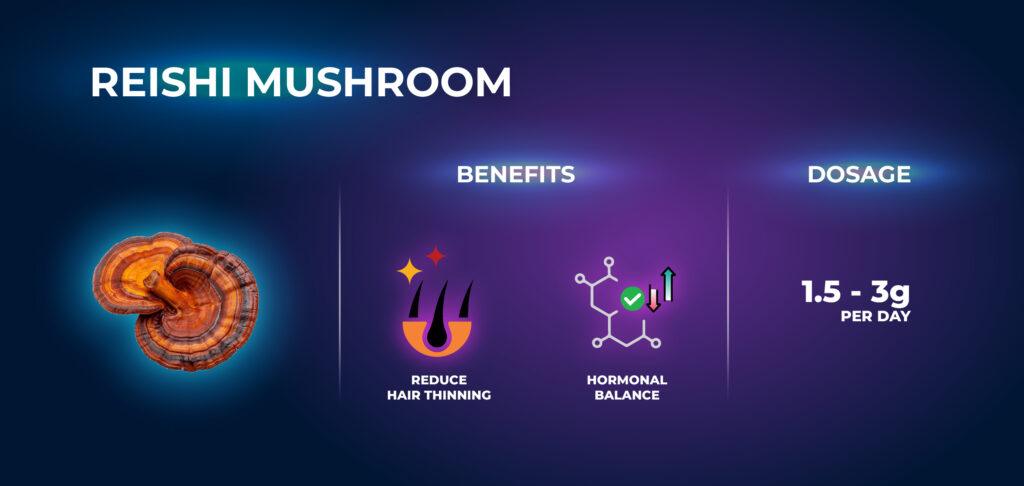
- Mechanism: Reishi extracts inhibited 5-alpha reductase in lab tests and reduced testosterone-driven prostate growth in rats.
- Evidence: No human hair-loss trials. Rare cases of liver injury have been reported with reishi powder, and it may add to the effect of blood thinners.
- Commonly reported dose: 1.5-3 g per day of dried mushroom, or a smaller amount of concentrated extract.
Green Tea Extract (EGCG)
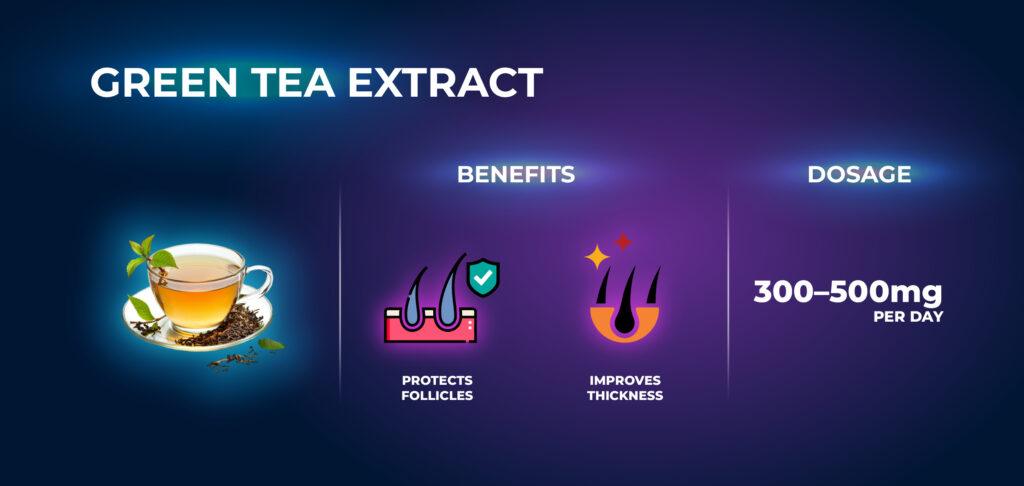
- Mechanism: EGCG, the main catechin in green tea, inhibits 5-alpha reductase and stimulates hair follicle cells in lab studies. The claim that it competes with DHT at the androgen receptor is not established.
- Evidence: No controlled trials of oral green tea extract for hair loss. Concentrated green tea extracts have been linked to liver injury, and European food safety regulators flagged liver concerns at EGCG intakes of 800 mg per day or more.
- Commonly reported dose: 300-500 mg per day of extract standardized to polyphenols, taken with food.
Zinc
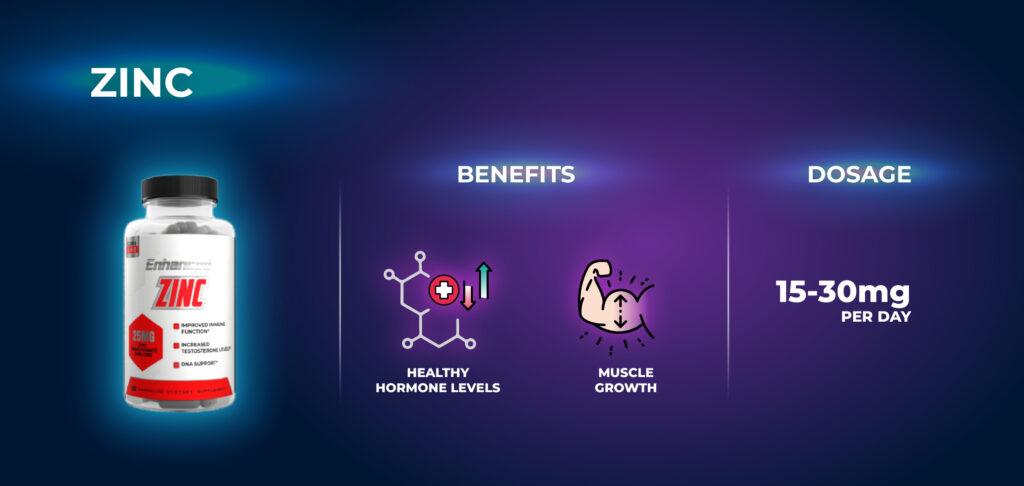
- Mechanism: An essential mineral needed for normal testosterone production. High concentrations of zinc inhibit 5-alpha reductase in lab tests, but there is no good evidence that low zinc raises DHT.
- Evidence: Zinc deficiency can cause diffuse hair shedding, and some studies found lower average blood zinc in people with several types of hair loss. Supplementing helps when you are deficient; it has not been shown to slow pattern hair loss when your levels are normal.
- Commonly reported dose: 15-30 mg per day. The adult upper limit is 40 mg per day, and long-term high doses can cause copper deficiency.
Curcumin (Turmeric)
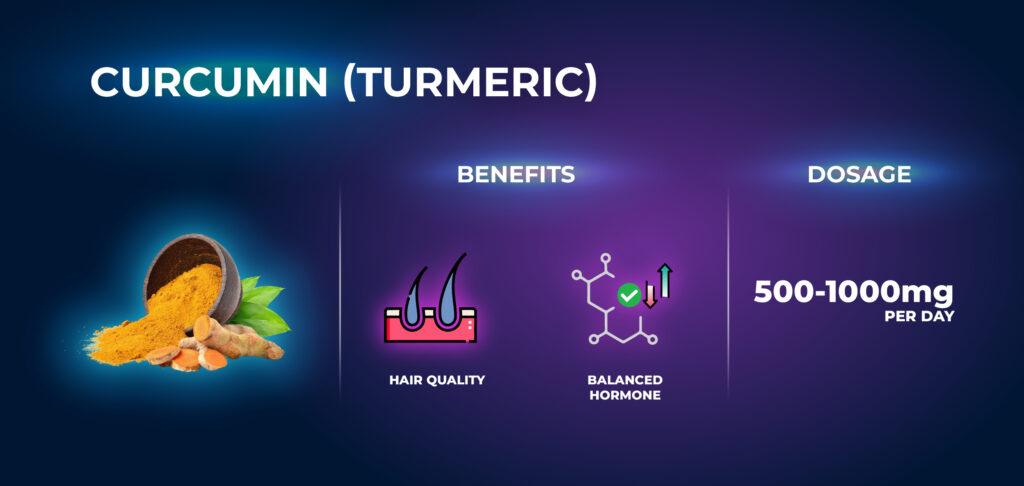
- Mechanism: Curcumin is anti-inflammatory and reduced androgen receptor activity in prostate cancer cell studies. There is no evidence that oral curcumin lowers DHT or improves scalp blood flow in people.
- Evidence: No controlled human hair-loss trials. Curcumin is poorly absorbed, which is why it is paired with black pepper extract (piperine). Rare cases of liver injury have been reported with turmeric supplements, and piperine can change how some medicines are absorbed.
- Commonly reported dose: 500-1,000 mg per day with piperine.
Lycopene
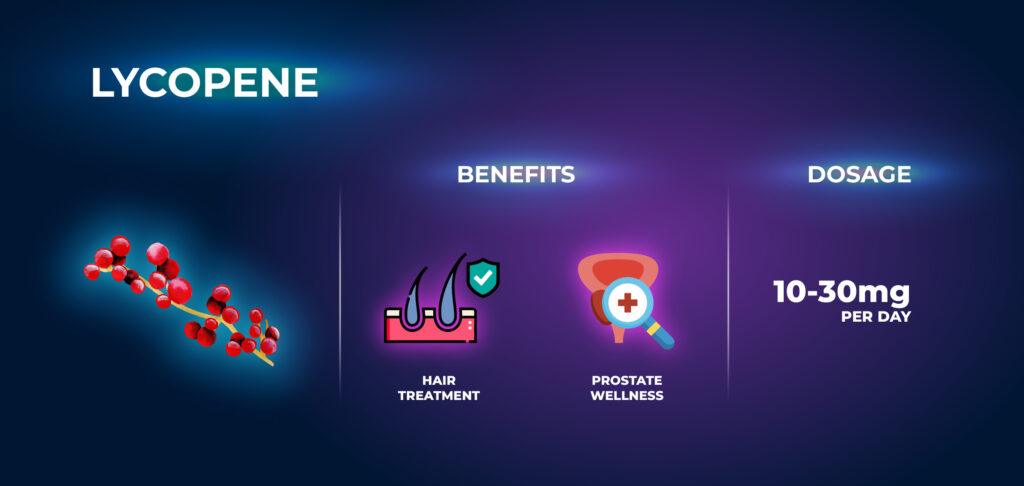
- Mechanism: The red antioxidant pigment in tomatoes. It has been studied mainly for prostate health, where lab and animal data suggest it may dampen androgen signaling.
- Evidence: No hair-loss trials. Cooked tomato products are an easy, low-risk source.
- Commonly reported dose: 10-30 mg per day.
Flaxseed (Lignans)
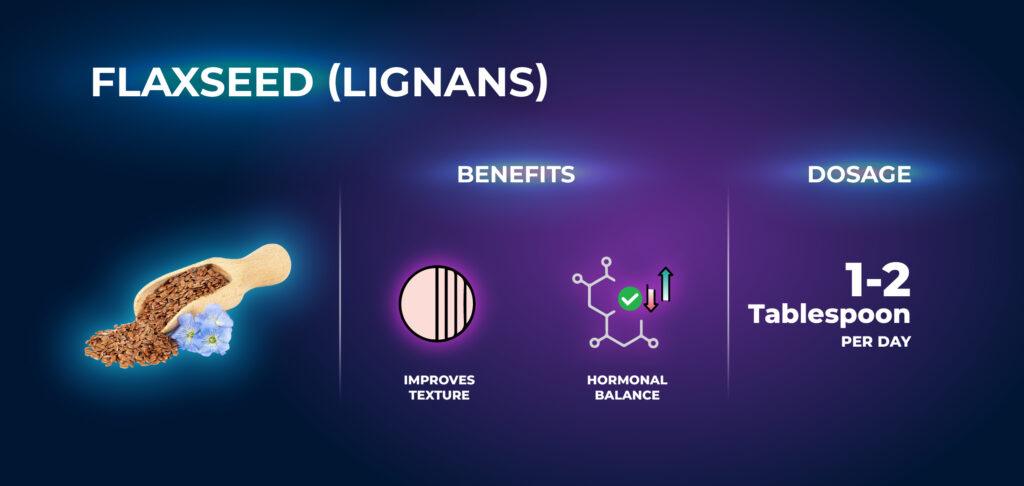
- Mechanism: Gut bacteria turn flaxseed lignans into enterolactone and enterodiol, which weakly inhibit 5-alpha reductase in lab studies. They do not bind to or block DHT receptors.
- Evidence: No hair-loss trials. Ground flaxseed is a good source of fiber and omega-3 fat, so it is a reasonable food to eat anyway.
- Commonly reported amount: 1-2 tablespoons of ground flaxseed per day.
How Natural DHT Blockers Compare to Finasteride, Minoxidil and RU58841
Natural options make more sense when you see them next to the treatments with stronger evidence:
| Treatment | How it works | Status and evidence |
|---|---|---|
| Finasteride | Blocks type 2 5-alpha reductase; lowers blood DHT by about two-thirds | FDA-approved at 1 mg a day for male pattern hair loss; large, long-term trials |
| Dutasteride | Blocks both types of 5-alpha reductase; lowers blood DHT by more than 90% | Approved for hair loss in Japan and South Korea; in the US, approved for enlarged prostate only |
| Minoxidil | Lengthens the growth phase and enlarges follicles; does not lower DHT | FDA-approved topical for men and women; low-dose oral use is off-label |
| RU58841 | Topical androgen receptor blocker | Never approved; limited human data; sold as an unregulated research chemical |
| Natural blockers | Mostly weak 5-alpha reductase inhibition in lab studies | Small trials for a few; supplements, not approved treatments |
Finasteride is the reference point. In its trials, sexual side effects such as lower libido or erection problems were reported by a small minority of men, slightly more often than with placebo, and some men report symptoms that continue after stopping. Topical finasteride is available in some countries. Dutasteride is a stronger option that some dermatologists prescribe off-label.
Minoxidil works through a different route, so it is often combined with a DHT-lowering treatment. Some people notice temporary extra shedding in the first weeks, as resting hairs are pushed out.
RU58841 is a topical anti-androgen that was studied in animal models of pattern baldness but never completed development for human use. Doses passed around online come from user reports, not trials, and the purity of products sold online is unknown. For other topical research options such as copper peptides, see our guide to peptides for hair growth.
DHT Blocker Stacks: What Combining Can and Cannot Do
Supplements often combine several natural blockers. No trial has tested these exact combinations, so the stacks below are common combinations, not proven protocols, and there is no evidence that stacking weak ingredients adds up to a drug-level effect.
1. Hair Support Stack
- Saw Palmetto (320 mg/day)
- Pumpkin Seed Oil (400 mg/day)
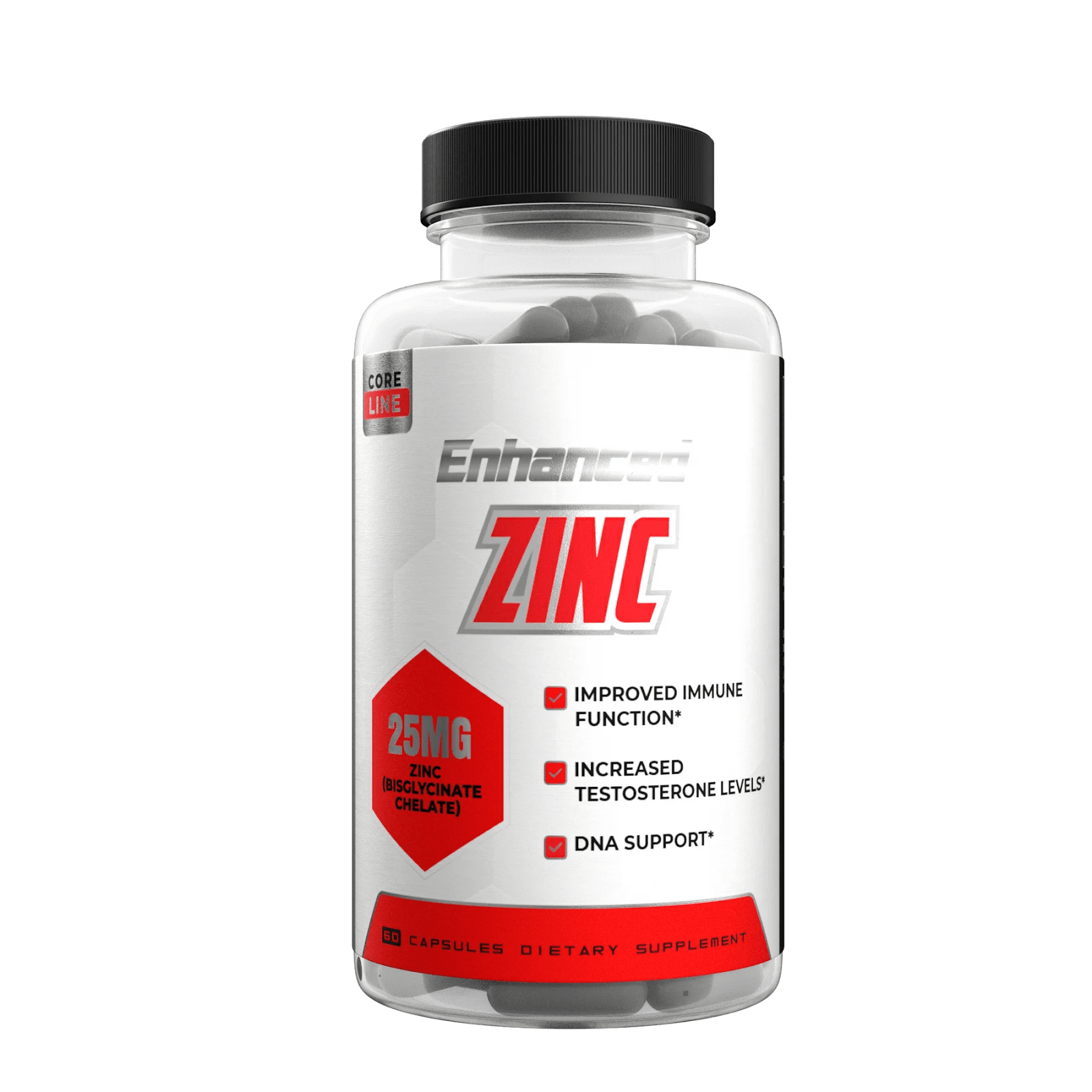
- Zinc (15-30 mg/day, only if your diet or blood work suggests you are low)
This stack combines the two ingredients with the most human hair data. Zinc earns its place only if you are short on it.

Pros
- Catalog is specifically organized around muscle building, fat loss, testosterone support, and workout performance.
- Range includes creatine, protein, EAAs, beta-alanine, and L-citrulline alongside more specialized formulas.
- Orders of $99+ qualify for free US shipping.
Cons
- Features several strong claims around muscle growth, testosterone, fat loss, and metabolic effects that should be distinguished from independently demonstrated clinical outcomes
- Heavily oriented toward bodybuilding and performance rather than broader nutritional supplementation.
2. Prostate Support Stack
- Pygeum Bark Extract (100-200 mg/day)
- Nettle Root Extract (300-600 mg/day)
- Lycopene (10-30 mg/day)
This one is aimed at prostate comfort rather than hair. Anyone with urinary symptoms should see a doctor before self-treating, because the same symptoms can come from conditions that need proper checks.
3. Anti-Inflammatory Stack
- Reishi Mushroom (1.5-3 g/day)
- Curcumin (500-1,000 mg/day with piperine)
- Green Tea Extract (EGCG) (300-500 mg/day)
This combination rests almost entirely on lab data. It also puts together three supplements with rare reports of liver injury, so it is the one to be most careful with, especially if you drink alcohol or take other medicines.
On cycling: there is no evidence that natural DHT blockers need to be cycled on and off, and the benefit of any DHT-lowering approach fades once you stop. A more useful rule: change one thing at a time, take photos in the same light every month and judge the result after 6 months.
Where to Buy Natural DHT Blockers and What to Look For

In the US, supplements do not need approval before they are sold, so quality varies. Look for:
- Standardized extracts: saw palmetto standardized to 85-95% fatty acids and sterols, the form used in studies, and doses that match the studied amounts.
- Third-party testing: a certificate of analysis or an independent seal (such as USP or NSF) shows the label matches what is in the bottle.
- Clear labels: proprietary blends that hide individual doses make it impossible to know whether you are getting a studied amount.
- Realistic claims: skip products that promise to reverse or cure hair loss. No supplement has shown that.
Most of these supplements cost roughly $20-60 a month. A higher price does not mean more evidence.
Side Effects and What to Expect
Most natural DHT blockers are well tolerated at the doses above, but natural does not mean risk-free.
- Digestive upset: bloating, nausea or loose stools are the most common complaints, especially when starting a new supplement.
- Liver: concentrated green tea extract, turmeric and reishi have rare case reports of liver injury. Stop and see a doctor if you notice dark urine, yellowing skin or eyes, or unusual tiredness.
- Hormonal and sexual effects: reports of lower libido are uncommon with natural blockers, whose effect on DHT is far weaker than finasteride’s.
- Medicines: saw palmetto, curcumin and reishi may add to the effect of blood thinners. If you take finasteride, tell your doctor before a PSA (prostate cancer screening) test, because finasteride lowers PSA by about half.
- Pregnancy: anything meant to lower DHT should be avoided during pregnancy or while trying to conceive, because DHT is needed for normal development of a male baby.
If you are not sure your hair loss is pattern hair loss, see a doctor or dermatologist first. Thyroid problems, iron deficiency, stress-related shedding and alopecia areata need different treatment, and blood tests can rule some of them out. Blood DHT levels do not diagnose pattern hair loss, because the problem is how sensitive your follicles are.
Hair grows slowly, so give any approach at least 6 months before judging it, and keep using what works: the benefit lasts only as long as you take it.
The Bottom Line
Natural DHT blockers are a weak but low-risk option: a few have small positive trials, most rest on lab data, and none replaces finasteride or minoxidil.
- Pumpkin seed oil (400 mg a day in its trial), saw palmetto (320 mg a day) and topical rosemary oil have the best human evidence among natural options, though each rests on small studies.
- Nettle root, pygeum, reishi, green tea, curcumin, lycopene and flaxseed are backed mostly by lab or prostate research, so expect little from them for hair.
- For a meaningful result, talk to a doctor about finasteride and minoxidil, give any approach 6 months and keep using what works, because the benefit fades when you stop.
Frequently Asked Questions
Disclaimer
Please read carefully
The information on this site is for educational and informational purposes only, and is not medical advice. Always consult a qualified healthcare professional before using any supplement or medication, or making changes to your health, fitness, or nutrition routine.
Not medical advice
Content here is not a substitute for professional medical advice.
Consult your doctor
Talk to your doctor before starting any supplement or new routine.
Use at your own risk
We are not responsible for adverse effects from acting on this.
Do your research
Make informed decisions about your own health.
No guarantees
Individual results vary. No claims about outcomes.
Important — Never disregard professional medical advice or delay seeking it because of something you read here. If you think you may have a medical emergency, call your doctor or your local emergency number right away.