Contents11 sections
If you train hard, your joints pay the price. Heavy squats, long runs and high-volume pressing add up over the years, and while muscle recovers relatively quickly, cartilage, tendons and ligaments adapt far more slowly. That is where joint supplements come in.
Joint supplements aim to support connective tissue, ease activity-related joint discomfort and keep you training. The evidence behind them is uneven: a few ingredients have reasonable trial support, others have mixed results, and much of the research was done in people with osteoarthritis rather than in healthy athletes.
This guide covers the ingredients worth knowing, the doses used in studies, what the research does and doesn’t show, the side effects, and the habits that matter more than any capsule.
Key Takeaways
- Collagen peptides, undenatured type II collagen, curcumin, boswellia and omega-3s have the most useful evidence for activity-related joint pain, although most trials are small and short.
- Glucosamine and chondroitin are the best-known joint supplements, but their evidence is mixed: large trials such as the NIH-funded GAIT study found little benefit over placebo for most people.
- Joint supplements work gradually. Trials usually measure results after 4 to 24 weeks, so give any product two to three months of consistent use before judging it.
- Choose products that list every dose and carry third-party testing such as NSF Certified for Sport or Informed Sport, especially if you are drug tested.
- Sensible training loads, strength work, sleep and a healthy body weight do more for your joints than any supplement.
Benefits of Joint Supplements
The main reason athletes use joint supplements is to reduce joint pain and stiffness. Several ingredients with anti-inflammatory effects have reduced pain in controlled trials, mostly in knee osteoarthritis, and a smaller number of studies have looked at active people with activity-related joint pain. Less pain usually means better movement quality and more consistent training.
Some ingredients aim to support cartilage and connective tissue. Cartilage has almost no blood supply and repairs itself slowly, so the idea is to supply building blocks or calm the processes that break it down. This is the least proven benefit: no supplement has been shown to rebuild worn cartilage.
There is also an indirect performance benefit. When your joints feel stable and pain-free, you can train through a full range of motion and keep volume and intensity where they need to be. Long-term progress is often less about breakthroughs and more about avoiding setbacks.
Keep your expectations realistic. Supplements won’t fix poor programming, a sudden jump in training load or an untreated injury. Joint pain that persists or gets worse, or that comes with swelling, locking or instability, needs a medical assessment.
Key Ingredients and Types of Joint Supplements
Most joint supplements are built around a small group of compounds that target cartilage, connective tissue or inflammation. Knowing what each one does, and how strong the evidence is, helps you choose instead of stacking capsules blindly.
Glucosamine and Chondroitin: Popular, but Mixed Evidence
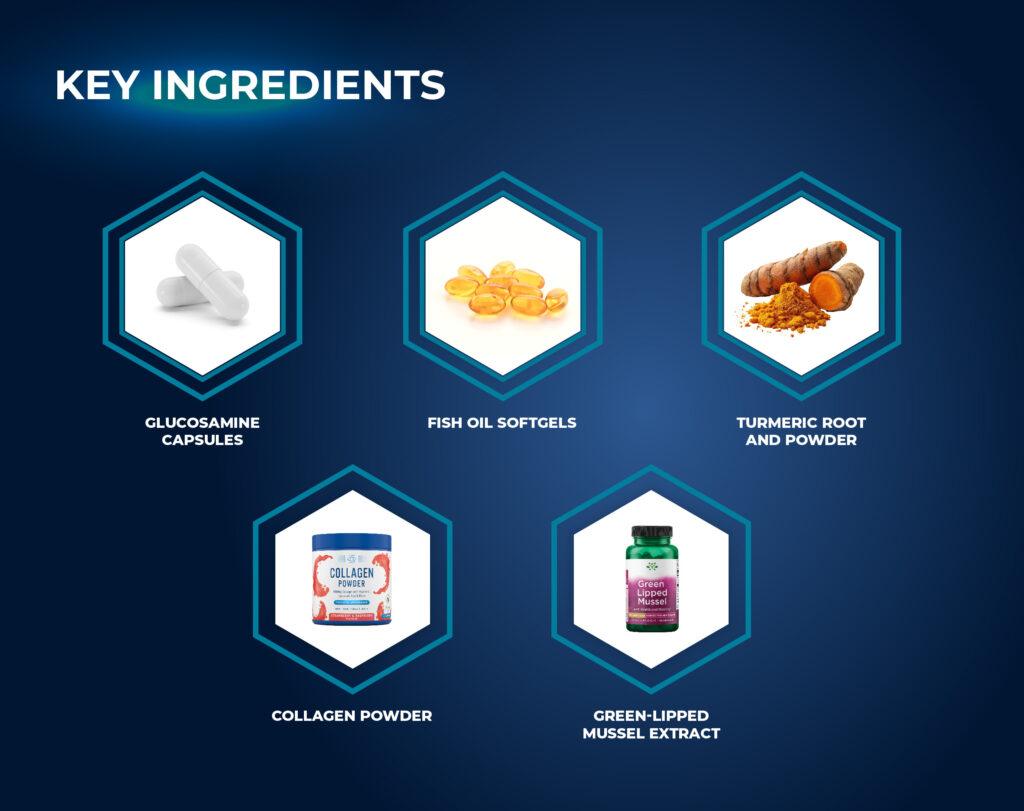
Glucosamine is a building block of cartilage, and chondroitin sulfate is a major part of cartilage that helps it hold water and resist compression. They are often sold together and are the best-known joint supplements on the market.
The evidence is mixed. In the NIH-funded GAIT trial (Clegg and colleagues, New England Journal of Medicine, 2006), which used glucosamine hydrochloride, neither glucosamine, chondroitin nor the two combined reduced knee osteoarthritis pain significantly more than placebo overall. Only a small subgroup with moderate-to-severe pain appeared to respond to the combination. A 2010 network meta-analysis in the BMJ (Wandel and colleagues) also found no clinically relevant effect on joint pain.
Trials using crystalline glucosamine sulfate at 1,500 mg once a day have reported more favorable results than those using glucosamine hydrochloride, although differences in study funding and quality may explain part of the gap. Nearly all of this research was done in older adults with osteoarthritis, not in healthy athletes.
Collagen Peptides and Undenatured Type II Collagen
Collagen comes in two very different forms. Collagen peptides (hydrolyzed collagen) and gelatin are taken in grams and supply amino acids such as glycine, proline and hydroxyproline, which tendons, ligaments and cartilage are built from. Undenatured type II collagen, often sold as UC-II, is taken in milligrams and is thought to work through the immune system rather than as a building block.
Collagen peptides have one of the few trials done in athletes. In a 24-week study at Penn State (Clark and colleagues, 2008), college athletes with activity-related joint pain who took 10 g of collagen hydrolysate a day reported less joint pain than those on placebo. Separately, Shaw and colleagues (American Journal of Clinical Nutrition, 2017) found that 15 g of vitamin C-enriched gelatin taken an hour before a short bout of exercise increased a blood marker of collagen synthesis.
For undenatured type II collagen, a 120-day trial in healthy adults with knee discomfort during exercise (Lugo and colleagues, Journal of the International Society of Sports Nutrition, 2013) found that 40 mg a day improved knee extension and lengthened the time before joint pain started during exercise, compared with placebo.
Anti-Inflammatory Support: Curcumin, Boswellia and Omega-3s
While glucosamine and collagen target structure, curcumin, boswellia and omega-3 fatty acids target inflammation.
Curcumin, the main active compound in turmeric, has some of the best pain data of the group. In a four-week trial in knee osteoarthritis (Kuptniratsaikul and colleagues, 2014), 1,500 mg a day of turmeric extract relieved pain about as well as 1,200 mg a day of ibuprofen. Curcumin is poorly absorbed on its own, so most products pair it with black pepper extract (piperine) or use an enhanced-absorption formula.
Boswellia serrata extract comes from frankincense resin. Small trials of standardized extracts, usually 100-250 mg a day, have reported less pain and better function in knee osteoarthritis within one to three months.
Omega-3 fatty acids (EPA and DHA) from fish oil work throughout the body. A 2007 meta-analysis (Goldberg and Katz, Pain) found that omega-3s reduced joint pain, morning stiffness and NSAID use in people with inflammatory joint conditions such as rheumatoid arthritis. Evidence for wear-and-tear joint pain in athletes is thinner, but omega-3s are inexpensive, have a long safety record and support overall health.
MSM and Green-Lipped Mussel
Methylsulfonylmethane (MSM) is a sulfur compound found in many combination formulas. In a 12-week trial in knee osteoarthritis (Kim and colleagues, 2006), 6 g a day modestly reduced pain and improved physical function compared with placebo.
Green-lipped mussel extract, made from a New Zealand shellfish, contains omega-3 fatty acids and other bioactive compounds. Trial results are inconsistent, and it is not suitable for anyone with a shellfish allergy.
Combination vs Single-Ingredient Formulas
Combination formulas bundle structural ingredients (glucosamine, collagen) with anti-inflammatory ones (curcumin, boswellia, omega-3s) to cover several mechanisms at once. The catch is that many use doses far below those in the studies, or hide them in proprietary blends.
Single-ingredient supplements let you match the doses used in research and find out what actually helps you. If your main issue is pain and stiffness, curcumin or boswellia alone may be enough. If you want to support tendons and ligaments, collagen peptides with vitamin C are the better-studied choice.
Neither approach is right for everyone. The best choice depends on your training volume, injury history and which joints bother you.
Best Joint Supplements for Athletes
Based on the research above, these are the joint supplements with the best case for athletes, in rough order of how useful the evidence is. None of them is a cure, and the evidence for most comes from small or short trials. For background, see this research on joint supplements.
1. Collagen Peptides With Vitamin C
Best for: tendons, ligaments and activity-related joint pain.
Doses used in studies: 10-15 g a day of collagen peptides or gelatin. In the collagen synthesis study, it was taken with vitamin C about an hour before exercise.
Why it makes the list: it is one of the few joint supplements tested in athletes, it is inexpensive, and side effects are rare. It also counts toward your daily protein, although it is not a complete protein.
2. Undenatured Type II Collagen (UC-II)
Best for: knee comfort during exercise.
Doses used in studies: 40 mg a day.
Why it makes the list: one controlled trial in healthy, active adults plus several osteoarthritis studies. The small dose makes it easy to add to other supplements.
3. Curcumin (Turmeric Extract)
Best for: joint pain and stiffness.
Doses used in studies: 1,000-1,500 mg a day of turmeric or curcumin extract, often split into two or three doses. Choose an enhanced-absorption form.
Why it makes the list: it has matched ibuprofen for knee pain in a large trial. Avoid it if you take blood thinners, and stop if you notice signs of liver problems; rare cases of liver injury have been linked to turmeric supplements.
4. Omega-3 Fish Oil
Best for: general inflammation and overall health.
Doses used in studies: trials in inflammatory joint conditions commonly used about 3 g a day of combined EPA and DHA; many people take less for general health. Count the EPA and DHA on the label, not the total fish oil.
Why it makes the list: good evidence in inflammatory joint pain, a long safety record and benefits beyond the joints. High doses can add to bleeding risk if you take blood thinners.
5. Boswellia Serrata
Best for: joint pain, often combined with curcumin.
Doses used in studies: 100-250 mg a day of a standardized extract.
Why it makes the list: several small osteoarthritis trials show less pain within weeks. Products vary widely in how they are standardized, so pick one that states its boswellic acid content.
6. Glucosamine Sulfate, With or Without Chondroitin
Best for: people who want to try it for knee pain of the osteoarthritis type.
Doses used in studies: 1,500 mg of glucosamine sulfate once a day, plus 800-1,200 mg of chondroitin a day when combined.
Why it makes the list: it is widely available and well tolerated, but the evidence is mixed. If you notice no difference after about three months, it is reasonable to stop.
The Foundation: Vitamin D
Vitamin D is not a joint supplement as such, but it supports bone health and muscle function, and low levels are common in athletes who train indoors or live far from the equator. A blood test shows whether you need it, and correcting a deficiency is worth more than any specialty joint product. Vitamin K2 is often paired with D3, but evidence for a joint benefit is limited. Our guide to the best multivitamins for bodybuilders covers the basics.

Pros
- Catalog is specifically organized around muscle building, fat loss, testosterone support, and workout performance.
- Range includes creatine, protein, EAAs, beta-alanine, and L-citrulline alongside more specialized formulas.
- Orders of $99+ qualify for free US shipping.
Cons
- Features several strong claims around muscle growth, testosterone, fat loss, and metabolic effects that should be distinguished from independently demonstrated clinical outcomes
- Heavily oriented toward bodybuilding and performance rather than broader nutritional supplementation.
Studied Doses at a Glance
| Ingredient | Doses used in studies | Best evidence for | Strength of evidence |
|---|---|---|---|
| Collagen peptides or gelatin | 10-15 g a day | Activity-related joint pain, collagen synthesis | Moderate (small trials, some in athletes) |
| Undenatured type II collagen | 40 mg a day | Knee comfort during exercise | Moderate (few trials) |
| Curcumin (turmeric extract) | 1,000-1,500 mg a day | Knee osteoarthritis pain | Moderate |
| Omega-3 (EPA + DHA) | About 3 g a day | Inflammatory joint pain | Moderate (mostly rheumatoid arthritis) |
| Boswellia serrata | 100-250 mg a day (standardized) | Knee osteoarthritis pain | Low to moderate |
| MSM | 6 g a day | Knee osteoarthritis pain | Low (small trials) |
| Glucosamine sulfate | 1,500 mg once a day | Knee osteoarthritis pain | Mixed |
| Chondroitin sulfate | 800-1,200 mg a day | Knee osteoarthritis pain | Mixed |
| BPC-157, TB-500 | No established human dose | Tendon and muscle healing in animals | Animal data only; prohibited by WADA |
What About BPC-157 and TB-500?
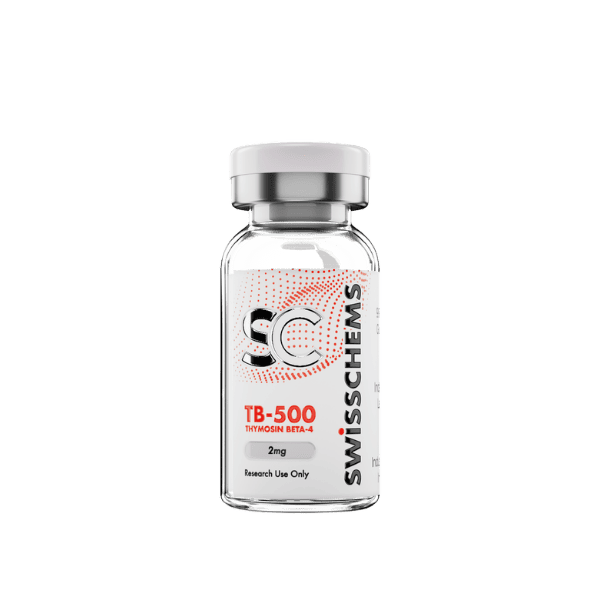
Many lifters looking for joint help come across BPC-157 and TB-500. These are research peptides, not dietary supplements. Neither is approved by the FDA for any human use, there is no established human dose, and both are prohibited at all times by the World Anti-Doping Agency (WADA), so tested athletes should avoid them completely.
The research is mostly animal and cell data. BPC-157 is a synthetic peptide based on a protein found in gastric juice, and in rat studies it has sped up the healing of tendons, ligaments and muscle. Human data is limited to a handful of small, uncontrolled reports. TB-500 is a synthetic fragment of thymosin beta-4, a protein involved in cell migration and tissue repair, and its healing data also comes almost entirely from animals.
Products sold online are labeled for research use only and are not made to supplement or drug manufacturing standards. For the full picture, read our comparison of TB-500 vs BPC-157, our guide to the best peptides for healing, or the BPC-157 compound profile.

Overview
- Form: Lyophilized powder
- Researched Dosage: 2 mg to 5 mg per week, often split into two doses, during a 4-6 week loading phase; then 2 mg to 2.5 mg every 1-2 weeks for maintenance
- Typical Cycle: 4-8 weeks
- Cost: $23.96-$25.16
- Stacking Options: BPC-157, GHK-Cu, CJC-1295/Ipamorelin
Pros
- Thought to help regulate actin, a protein involved in cell movement and structure, which may help with tissue repair and recovery.
- Animal studies suggest it may speed up healing in muscle, tendon, ligament and skin, and may reduce inflammation.
- Commonly paired with BPC-157 because the two peptides are believed to support recovery in different ways.
Cons
- May encourage new blood vessel growth and cell migration, which raises a theoretical concern about speeding up existing tumors. Long-term human safety data is very limited.
- Not an approved human medication. The FDA lists it as a bulk substance with potential safety risks (Category 2), and WADA bans it for tested athletes.
How To Choose the Right Joint Supplement
With so many products on the market, choosing a joint supplement comes down to a few simple checks.

Look for Ingredients With Real Evidence
Prioritize ingredients that have been tested in controlled trials: collagen peptides, undenatured type II collagen, curcumin, boswellia, omega-3s and, if you want to try it, glucosamine sulfate. Be wary of long ingredient lists that include a little of everything.
Check Doses and Transparency
A good product lists the dose of every ingredient so you can compare it with the doses used in studies. Proprietary blends that hide the amounts often contain far less than the research used.
Choose Third-Party Tested Products
Supplements are not approved by the FDA before they go on sale, so quality varies. Look for NSF Certified for Sport or Informed Sport, which test products for banned substances and contaminants. This matters for any athlete who is drug tested.
Match the Supplement to Your Needs
Different sports load the joints differently, so start with your main problem:
- Runners and field-sport athletes with knee discomfort may get the most from undenatured type II collagen, curcumin or boswellia.
- Lifters with tendon or elbow problems may prioritize collagen peptides with vitamin C before training, alongside a sensible rehab plan.
- Athletes with high training volume and general aches can use omega-3s as a base.
Check Absorption
Even good ingredients won’t help if your body can’t absorb them. Curcumin works best in an enhanced-absorption form or with piperine, and collagen is best taken with vitamin C, which the body needs to make collagen.
Be Consistent and Realistic
Joint supplements are not instant fixes. Trials usually measure results after 4 to 24 weeks, so take a product consistently for two to three months before deciding whether it works. The best results come from combining it with sensible training loads, good nutrition, sleep and mobility work.
Side Effects of Joint Supplements
Most joint supplements are well tolerated at the doses used in studies, but they are not risk-free, especially at high doses or alongside medication.
Digestive Upset
Glucosamine, chondroitin, MSM, curcumin and fish oil can all cause stomach discomfort, bloating, heartburn or loose stools in some people. These effects are usually mild, and taking supplements with meals or splitting the dose often helps.
Allergic Reactions
Glucosamine is often made from shellfish shells. The allergy risk appears low, but if you have a shellfish allergy, choose vegetarian or synthetic glucosamine or ask your doctor first. Green-lipped mussel extract is a shellfish product and should be avoided, and people with a fish allergy should check the source of fish oil and chondroitin.
Bleeding Risk
High doses of omega-3s and curcumin may slightly increase bleeding risk, and glucosamine, with or without chondroitin, has been reported to raise INR in people taking warfarin. If you take blood thinners or have surgery coming up, talk to your doctor before using them.
Blood Sugar
Early concerns that glucosamine might raise blood sugar have mostly not been confirmed in human studies at normal doses. People with diabetes or insulin resistance should still monitor their glucose when they start taking it.
Liver Health
Rare cases of liver injury have been linked to turmeric and curcumin supplements, particularly high-absorption products. Stop taking them and see a doctor if you notice dark urine, yellowing of the skin or eyes, or unusual tiredness.
Interactions With Medications
Joint supplements can interact with blood thinners, diabetes medication and NSAIDs. If you take any regular medication, check new supplements with your doctor or pharmacist first.
Natural Ways to Support Joint Health Alongside Supplements
Supplements are a small part of joint health. Training habits, nutrition and recovery make the bigger difference, and they also help any supplement you take do its job.
Eat a Joint-Friendly Diet
Nutrition is the foundation of healthy joints. Focus on nutrient-dense foods such as:
- Fatty fish (salmon, sardines, mackerel) for omega-3 fatty acids
- Colorful fruits and vegetables for antioxidants and vitamin C, which is needed for collagen synthesis
- Nuts, seeds and olive oil for healthy fats
- Enough protein to support muscle and connective tissue repair
- Fewer heavily processed foods and added sugars
Maintain a Healthy Weight
Extra body weight increases the load on the knees, hips and ankles with every step and jump. Keeping body fat in a healthy range through balanced nutrition and regular exercise reduces that strain and makes training more comfortable.
Build Strength and Manage Your Training Load
Strong muscles help absorb and control the forces that reach your joints. Strength training, mobility work and stability exercises protect joints from impact and overuse. Increase volume and intensity gradually, use good technique, and keep muscle development balanced to avoid the imbalances that often lead to joint pain.
Stay Hydrated
Water supports recovery and performance, and cartilage itself is mostly water. Drink consistently through the day, especially around training sessions.
Prioritize Rest and Recovery
Joints and connective tissue need time to adapt after hard training. Build rest days, enough sleep and low-impact sessions such as swimming or cycling into your week. If you are dealing with an acute injury, see our guide on how to speed up muscle strain recovery.
The Bottom Line
The best joint supplements for athletes support your training rather than replace smart programming, and only a few have solid evidence behind them.
- Collagen peptides with vitamin C, undenatured type II collagen, curcumin, boswellia and omega-3s have the most useful evidence for activity-related joint pain, mostly from small or short trials.
- Glucosamine and chondroitin are popular, but large trials show mixed results. If you try glucosamine, use the sulfate form at the studied dose and reassess after about three months.
- Choose third-party tested products with clear doses, and treat research peptides like BPC-157 and TB-500 as unapproved compounds that are banned in tested sport.
- Sensible training loads, strength work, sleep and a healthy body weight protect your joints more than any capsule.
Frequently Asked Questions
Disclaimer
Please read carefully
The information on this site is for educational and informational purposes only, and is not medical advice. Always consult a qualified healthcare professional before using any supplement or medication, or making changes to your health, fitness, or nutrition routine.
Not medical advice
Content here is not a substitute for professional medical advice.
Consult your doctor
Talk to your doctor before starting any supplement or new routine.
Use at your own risk
We are not responsible for adverse effects from acting on this.
Do your research
Make informed decisions about your own health.
No guarantees
Individual results vary. No claims about outcomes.
Important — Never disregard professional medical advice or delay seeking it because of something you read here. If you think you may have a medical emergency, call your doctor or your local emergency number right away.