Contents9 sections
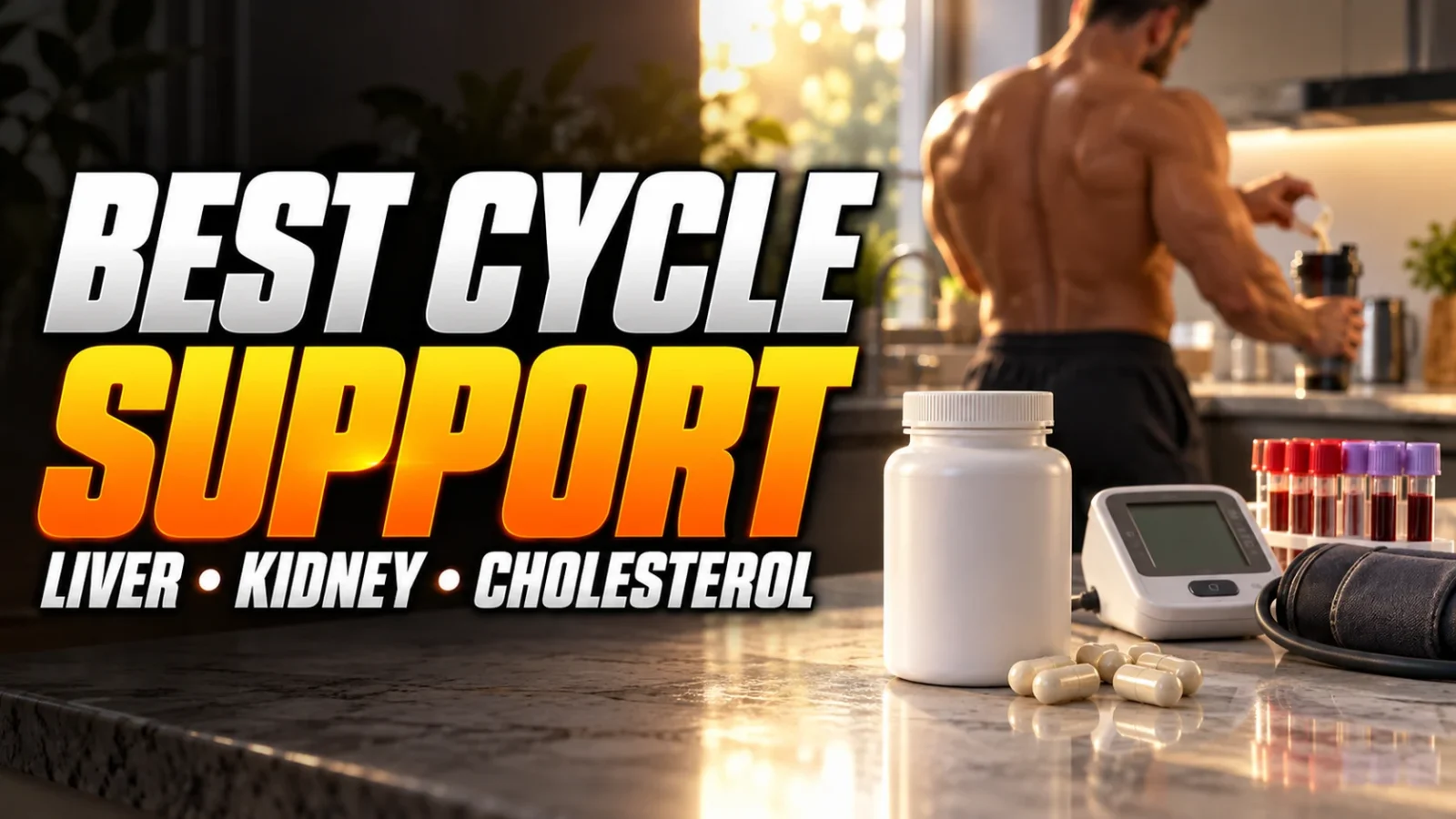
SARMs and anabolic steroids can change your blood pressure, cholesterol, liver and kidney markers and hormone balance within weeks. Most of these changes cause no symptoms until they are well advanced. Cycle support is the umbrella term for the supplements, medicines and habits people use to limit that damage.
This guide covers what cycle support can and can’t do: how to plan it around the compounds you are using, what helps the liver, kidneys, blood pressure and cholesterol, how estrogen, prolactin and DHT side effects are managed, and which blood tests show whether any of it is working.
One point up front: no supplement makes a cycle safe. The most effective cycle support is a lower dose, a shorter cycle, fewer oral compounds and regular blood work.
Key Takeaways
- Cycle support is the plan for limiting a cycle’s damage to the liver, kidneys, heart and hormones. No supplement makes a SARM or steroid cycle safe.
- Your compounds decide your needs: oral steroids and SARMs strain the liver, almost all androgens lower HDL cholesterol, and many raise blood pressure and red blood cell counts.
- TUDCA and NAC are the most-used liver supplements, but there is little evidence that they prevent cycle-related liver injury. Blood pressure and cholesterol respond best to lower doses, cardio, diet and, if needed, prescription medicine.
- Aromatase inhibitors such as exemestane and anastrozole act on the aromatase enzyme, not the estrogen receptor. Cabergoline and vitamin B6 target prolactin, not progesterone.
- Blood work before, during and after a cycle is the only way to know whether your cycle support is working.
What Is Cycle Support?
SARMs and steroids can raise blood pressure, worsen cholesterol, strain the liver and kidneys and disrupt hormone balance. The most common hormonal effects are suppression of your own testosterone production and, with compounds that convert to estrogen, estrogen-related side effects such as gynecomastia. Some compounds carry far more risk than others; see our list of the most dangerous anabolic steroids.
Cycle support is the plan for limiting that damage. It usually combines lifestyle measures (cardio, diet, sleep, no alcohol), supplements aimed at the liver and cardiovascular system, prescription medicines for problems that blood work confirms, and post-cycle therapy (PCT) with selective estrogen receptor modulators (SERMs) such as clomiphene or tamoxifen to help restart natural testosterone production.
Regular blood work holds it all together. Without a baseline and follow-up tests, you have no way of knowing whether your blood pressure, lipids or liver values are moving, or whether anything you take is helping.
How to Design Your Cycle Support
Start with one question: what will this cycle do to your body? The compounds, doses and cycle length decide what support you need. A support stack copied from someone else’s cycle may cover problems you won’t have and miss the ones you will.
If you use something that raises blood pressure, you need a way to measure and manage it before the cycle starts. The same goes for every other risk. The table below shows the main areas, what to monitor and what is commonly used.
| Area | Main risk | What to monitor | Commonly used support |
|---|---|---|---|
| Liver | Oral steroids and SARMs raise liver enzymes; rarely cholestasis or worse | ALT, AST, GGT, bilirubin | TUDCA, NAC; no alcohol; short oral cycles |
| Kidneys | High blood pressure and high-dose androgens damage the filters | Creatinine, eGFR, cystatin C, urine protein | Blood pressure control, hydration, few NSAIDs |
| Blood pressure | Rises with many compounds, water retention and high hematocrit | Home readings, hematocrit | Cardio, less salt; prescription medicine if needed |
| Cholesterol | HDL falls and LDL often rises, most with orals and SARMs | Lipid panel (HDL, LDL, triglycerides) | Cardio, diet, fiber, omega-3s; lower doses |
| Estrogen | Water retention and gyno with aromatizing compounds | Estradiol (sensitive assay) | Aromatase inhibitor only if labs and symptoms confirm |
| Prolactin | Commonly reported with nandrolone and trenbolone | Prolactin | Cabergoline (prescription) if confirmed high |
| DHT | Hair loss, acne, prostate growth | Symptoms; PSA in older men | Finasteride (prescription) for testosterone-driven DHT |
| Natural testosterone | Suppressed by almost all SARMs and steroids | Total and free testosterone, LH, FSH | PCT with a SERM after the cycle |
Write the plan down before you start: which markers you will test and when, how often you will check your blood pressure, and which results would make you stop.
Cycle Support for Health
Cycle support has two parts: protecting your organs and managing hormonal side effects. Hormonal side effects are the ones people notice, but the organ side matters more, because damage to the heart, kidneys and liver is usually silent and not always reversible.
Kidney Health
High blood pressure (hypertension) puts extra force on the small blood vessels and filtering units (nephrons) in the kidneys. Over time this damages them and reduces the kidneys’ ability to filter waste and balance fluids. The loss is gradual, often has no symptoms, and can become permanent, ending in chronic kidney disease or kidney failure.
High blood pressure also speeds up existing kidney disease and can lead to protein in the urine (proteinuria) and scarring of the filters (glomerulosclerosis). Case series have linked long-term, high-dose steroid use in bodybuilders to a form of this scarring called focal segmental glomerulosclerosis (FSGS). Keeping your blood pressure under control is the most important thing you can do for your kidneys on a cycle.
When blood pressure stays high, the effective tools are prescription medicines. Angiotensin receptor blockers (ARBs) such as telmisartan are the ones most often discussed in this context, and they need a prescription and medical follow-up. Supplements sold for kidney support, such as N-acetylcysteine (NAC), IP6 and NAD+ precursors like NMN, have little evidence behind them for this use: most of the data come from animal studies or unrelated clinical settings.
Practical steps: check your blood pressure at home a few times a week, drink enough water, avoid regular use of anti-inflammatory painkillers such as ibuprofen, and test your kidney markers. Creatinine rises with muscle mass and with creatine supplements, so cystatin C gives a clearer picture of kidney function in lifters.
Liver Health
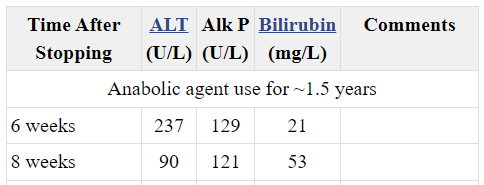
Oral steroids and SARMs pass through the liver before they reach the rest of the body. Most oral steroids are 17-alpha-alkylated, a change that lets them survive this first pass but makes them harder on the liver. They can raise liver enzymes and, in rare cases, cause cholestasis (blocked bile flow), peliosis hepatis (blood-filled cysts in the liver) and liver tumors. SARMs have been linked to cases of drug-induced liver injury, and the FDA has warned that they are associated with liver damage.
TUDCA (tauroursodeoxycholic acid) is the most popular liver supplement on a cycle. It is a bile acid the body makes in small amounts, and its close relative UDCA (ursodiol) is a prescription treatment for gallstones and some cholestatic liver diseases. That makes TUDCA a reasonable choice for supporting bile flow, but there are no controlled trials showing that it prevents steroid- or SARM-related liver injury. Most of the other benefits claimed for it, for the brain, eyes or immune system, come from animal and cell studies.
NAC is a precursor of glutathione, the liver’s main antioxidant, and is used in hospitals to treat acetaminophen (paracetamol) overdose. Milk thistle is also widely used, but its evidence in liver disease is mixed. Neither has been tested as protection during a cycle.
The measures with the most impact are simple: limit oral compounds and how long you run them, avoid alcohol, avoid high doses of acetaminophen, and test ALT, AST, GGT and bilirubin. Hard training raises ALT and AST on its own, so GGT helps show whether the liver is the source.
Cholesterol Levels
Androgens lower HDL (“good”) cholesterol, mainly by increasing the activity of hepatic lipase, an enzyme that breaks HDL down. Oral steroids and SARMs have the biggest effect, and orals often raise LDL as well. In a small trial in weightlifters, oral stanozolol lowered HDL by about a third within six weeks, while 200 mg a week of injectable testosterone enanthate lowered it by less than 10%. In a 21-day trial in healthy young men, the SARM LGD-4033 lowered HDL in a dose-dependent way at doses of just 0.1 to 1 mg a day.
Low HDL and high LDL over many cycles add up to a higher risk of heart disease. Lifestyle does most of the work here: regular cardio, less saturated fat, more fiber, oily fish and no smoking. Omega-3 fish oil lowers triglycerides and soluble fiber such as psyllium modestly lowers LDL, but no supplement reliably reverses the HDL drop that androgens cause.
Multi-ingredient “cycle support” blends usually combine NAC, TUDCA, grape seed extract, alpha-lipoic acid (ALA), zinc and similar ingredients. They can be convenient, but check the dose of each ingredient on the label and don’t expect a blend to fix your lipid panel. Test your lipids before, during and after the cycle.
Cycle Support for Hormonal Balance
The second part of cycle support is hormonal. The tools here are mostly prescription drugs with real side effects of their own, so they should be used to treat a problem that symptoms and blood work confirm, not taken “just in case”.
Estrogen Management
Testosterone and other aromatizing compounds are converted to estradiol by the aromatase enzyme. More testosterone means more estradiol, which can cause water retention, nipple sensitivity and gynecomastia (gyno). But men also need estradiol for libido, bone health and body-fat regulation, so the goal is to keep it in range, not to remove it.
There are two ways to manage it. The first is to avoid compounds that convert to estrogen, or to use lower doses of them. The second is an aromatase inhibitor (AI). AIs work on the aromatase enzyme and lower how much estradiol is made; they do not bind or block the estrogen receptor.
- Exemestane (Aromasin) is a steroidal “suicide” inhibitor: it binds to aromatase and permanently inactivates it, so the body has to make new enzyme.
- Anastrozole (Arimidex) and letrozole (Femara) are non-steroidal inhibitors that block aromatase reversibly. Both are potent and can easily push estradiol too low.
- Arimistane (androsta-3,5-diene-7,17-dione) is sold as a supplement and marketed as an irreversible aromatase inhibitor, but there is very little human data on it. It is on the WADA prohibited list.
Any AI can drive estradiol too low, which causes joint pain, low libido, low mood and, over time, bone loss. That is why AIs should be dosed against blood work rather than by habit. SERMs such as tamoxifen are a different class: they block estrogen at the receptor in breast tissue, which is why they are used for gyno and in PCT.

 Peptides
Overview
- Form: Oral Capsule
- Dosage: 0.5mg 1-2 times weekly
- Typical Cycle: As needed based on blood work (best for managing sides on cycle)
- Cost: $64.03
- Stacking Options: Testosterone enanthate or cypionate
Pros
- Well-established efficacy — ATAC trial showed superior disease-free survival versus tamoxifen in postmenopausal hormone-receptor-positive breast cancer
- Substantially lower risk of endometrial cancer and thromboembolic events than tamoxifen
- Once-daily oral dosing, few significant drug interactions
Cons
- Accelerated bone mineral density loss, with elevated fracture risk over years of use
- Arthralgia and joint stiffness are common and a frequent reason patients stop treatment
- Ineffective in premenopausal women unless ovarian function is suppressed, since it only blocks peripheral aromatisation
Progesterone and Prolactin
Nandrolone and trenbolone also bind the progesterone receptor, so they have progestogenic activity on top of their androgenic effect. Users of these compounds often report low libido, erectile problems and nipple sensitivity, and usually blame them on prolactin, a pituitary hormone that can rise on a cycle. Progesterone and prolactin are two different hormones, and the tools people reach for, vitamin B6 and cabergoline, target prolactin, not progesterone.
Vitamin B6 (pyridoxine) is the most common supplement used to lower prolactin. The evidence that it works is limited and inconsistent, and very high doses taken for a long time can cause nerve damage (peripheral neuropathy), so megadosing it is not a harmless choice.
Cabergoline is a prescription dopamine agonist that reliably lowers prolactin; it is used to treat prolactin-secreting pituitary tumors. Common side effects include nausea, dizziness and low blood pressure on standing, and high doses taken long-term have been linked to heart valve problems. It only makes sense when a blood test shows that prolactin is actually high.
DHT Management
The 5-alpha reductase enzyme converts testosterone to dihydrotestosterone (DHT), and some steroids are DHT derivatives to begin with. DHT and other strong androgens contribute to strength, but they also drive hair loss in men who are prone to it, acne and prostate growth.
Saw palmetto (Serenoa repens) is the supplement most often used, on the idea that it inhibits 5-alpha reductase. In large placebo-controlled trials in men with an enlarged prostate, it worked no better than placebo, so don’t expect much from it.
Finasteride, a prescription 5-alpha reductase inhibitor, lowers the DHT made from testosterone and is the evidence-based option for male-pattern hair loss. Some men get sexual side effects or mood changes on it. It does nothing for compounds that are already DHT derivatives or that act on the androgen receptor directly, including SARMs. It also should not be combined with nandrolone: 5-alpha reductase turns nandrolone into a weaker androgen, so blocking it makes nandrolone more androgenic.
Testosterone Recovery After the Cycle
Almost all SARMs and steroids suppress your natural testosterone production. Restarting it is the job of post-cycle therapy, usually with a SERM such as clomiphene or tamoxifen, followed by blood work for testosterone, LH and FSH to confirm recovery. Our guide to PCT for SARMs covers timing and what the research shows.
SERMs & AIs
Overview
- Form: Oral capsules (25 mg each, 60 capsules)
- Researched Dosage: 25 mg to 50 mg daily for PCT
- Typical Cycle: 4-6 weeks
- Cost: $69.95
- Stacking Options: Tamoxifen, HCG, Enclomiphene
Pros
- A SERM that blocks estrogen at the hypothalamus, prompting the body to make more LH, FSH and its own testosterone.
- Studies in men with low testosterone found it raised testosterone while preserving sperm production, unlike TRT.
- It is oral, inexpensive and has been in medical use since 1967, so its effects are well documented.
Cons
- About a third of each dose is zuclomiphene, a long-lasting isomer linked to mood swings, irritability and low mood.
- Blurred vision, floaters and light sensitivity have been reported; visual symptoms are a reason to stop.
- It is FDA-approved only for female infertility, so use in men is off-label, and this product is sold for research use only.
Cycle Support for SARMs
SARMs need much the same support as steroids, with a few differences. They are taken orally and have been linked to liver injury, they lower HDL cholesterol, and they suppress natural testosterone. On the other hand, most SARMs are not converted to estrogen or DHT. A SARM cycle needs:
- Liver support and liver blood work
- Cholesterol and cardiovascular support
- Regular blood pressure checks
- Kidney markers
- Testosterone recovery after the cycle (PCT)
A common mistake is taking an aromatase inhibitor on a SARM-only cycle. Because SARMs suppress your own testosterone, estradiol often falls as well, and an AI can push it lower still. Use one only if blood work shows high estradiol.
Women face a different main risk: virilization, such as a deeper voice, facial hair and clitoral enlargement, some of which can be permanent. Stopping at the first sign is the only reliable protection; no supplement prevents it.
If your budget is tight, put it into blood work before supplements. A baseline panel and a follow-up during the cycle tell you more than any support stack.
The Bottom Line
Cycle support can reduce some of the harm from a SARM or steroid cycle, but it cannot make one safe: the biggest levers are the compounds, doses and cycle length you choose.
- Plan support around your cycle: the liver for orals and SARMs, blood pressure and red blood cells for compounds that raise them, and cholesterol for nearly everything.
- Supplements such as TUDCA and NAC are reasonable but unproven protection; blood pressure, cholesterol and hormone problems usually need lifestyle changes or prescription medicine.
- Aromatase inhibitors, cabergoline and finasteride treat specific problems that blood work should confirm, and each has side effects of its own.
- Test before, during and after every cycle, and stop if your markers move into a dangerous range.
Frequently Asked Questions
Disclaimer
Please read carefully
The information on this site is for educational and informational purposes only, and is not medical advice. Always consult a qualified healthcare professional before using any supplement or medication, or making changes to your health, fitness, or nutrition routine.
Not medical advice
Content here is not a substitute for professional medical advice.
Consult your doctor
Talk to your doctor before starting any supplement or new routine.
Use at your own risk
We are not responsible for adverse effects from acting on this.
Do your research
Make informed decisions about your own health.
No guarantees
Individual results vary. No claims about outcomes.
Important — Never disregard professional medical advice or delay seeking it because of something you read here. If you think you may have a medical emergency, call your doctor or your local emergency number right away.