
Contents10 sections
Stirring a scoop of creatine into your morning coffee is a simple way to take two of the most researched performance supplements in one go. Creatine helps your muscles recycle energy during short, hard efforts; caffeine makes you more alert and makes hard training feel easier.
The real question is whether the two get in each other’s way. One early study suggested caffeine could cancel out creatine’s benefits, while later trials found little or no problem. Below we cover how each one works, what the research says about combining them, the downsides to watch for, and how to take creatine in coffee properly.
Key Takeaways
- Creatine and coffee work on different systems: creatine refuels muscle energy for short, hard efforts, while caffeine sharpens focus and lowers perceived effort.
- Creatine works by building up in your muscles over days and weeks, so taking it every day matters far more than the time of day. Your morning coffee is a perfectly good time.
- An early study found that high daily caffeine during creatine loading cancelled creatine’s benefit; later trials using coffee found little or no interference. To play it safe, skip loading and take 3-5 g a day.
- Stomach upset is the most common complaint. Start with 3-5 g of creatine and a normal cup of coffee, and drink water through the day.
- If you have a health condition or take medication, check with a healthcare professional before combining creatine and caffeine.
What Is Creatine and How Does It Work?
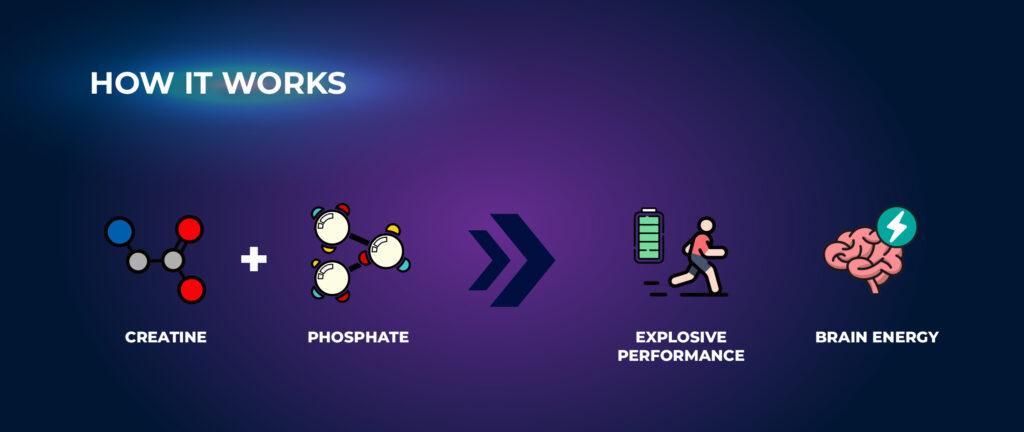
Creatine is a naturally occurring compound made in the kidneys, liver and pancreas from the amino acids glycine, arginine and methionine. You also get some from food, mainly red meat and fish. About 95% of the body’s creatine is stored in skeletal muscle; the rest sits in tissues with high energy demand, such as the heart, brain and retina.
Within muscle cells, creatine combines with a phosphate group to form phosphocreatine (PCr), a quick-access energy reserve. The enzyme creatine kinase catalyzes the reversible reaction by which PCr donates its phosphate to ADP, regenerating ATP during short bursts of high-intensity activity like sprinting or weightlifting.
This ATP-PCr system provides rapid energy when the rate of ATP demand temporarily exceeds the capacity of the slower oxidative and glycolytic pathways.
Supplementing creatine, usually as creatine monohydrate (the most researched of the different types of creatine), raises muscle stores of free creatine and phosphocreatine, typically by around 20% after a standard loading phase of about 20 g a day for 5-7 days. Taking 3-5 g a day without loading reaches the same level, just more slowly, over about three to four weeks. Fuller stores let your muscles regenerate ATP faster, which shows up as extra reps and more power in short, explosive efforts.
Creatine also plays a role in brain energy metabolism. Supplementing can raise brain creatine levels and may support thinking under stress, such as sleep deprivation, and in older adults. Meta-analyses suggest creatine can improve memory, attention and processing speed, although the size of the benefit varies with age, health and baseline creatine levels.
Where to Buy Creatine
Enhanced Labs Creatine Monohydrate 5000mg
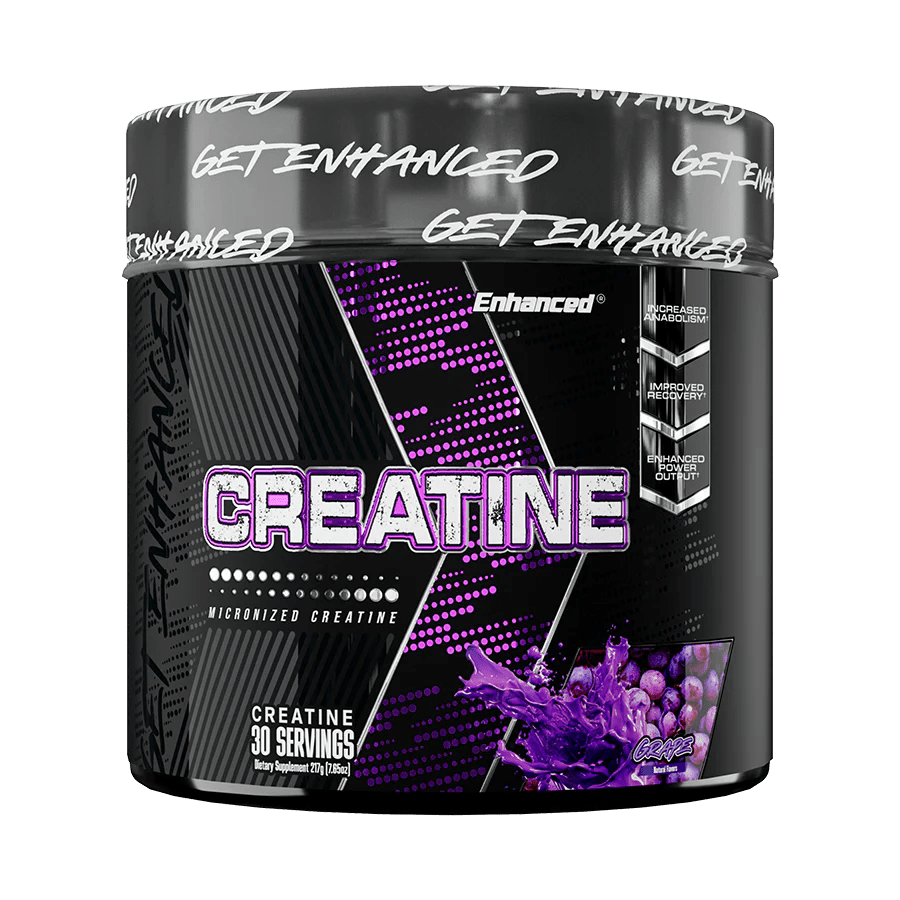
Enhanced Labs Creatine Monohydrate is a plain micronized creatine monohydrate powder with 5 g per scoop. Micronized creatine has a finer particle size, so it disperses more easily in drinks like coffee and leaves less grit at the bottom of the cup. Creatine monohydrate is already very well absorbed; micronizing helps it mix, rather than making it more effective.
- Form: micronized powder that mixes into hot or cold drinks, including coffee.
- Dose: 5 g (one scoop) a day, every day. Creatine is not cycled; it works by keeping your muscle stores topped up.
- What creatine monohydrate does: more strength and power in short, hard efforts, more training volume, and support for recovery between sessions.
- Pairs well with: a protein shake to help you reach your daily protein target, or beta-alanine if your training involves repeated hard efforts lasting one to four minutes.
- Side effects: generally well tolerated; some people notice mild bloating or stomach discomfort when they first start, mostly with larger doses.

Pros
- Catalog is specifically organized around muscle building, fat loss, testosterone support, and workout performance.
- Range includes creatine, protein, EAAs, beta-alanine, and L-citrulline alongside more specialized formulas.
- Orders of $99+ qualify for free US shipping.
Cons
- Features several strong claims around muscle growth, testosterone, fat loss, and metabolic effects that should be distinguished from independently demonstrated clinical outcomes
- Heavily oriented toward bodybuilding and performance rather than broader nutritional supplementation.
For more on the brand’s range, see our Enhanced Labs review, or compare options in our guide to the top creatine monohydrate powders.
How to Take Creatine With Coffee
| What | Dose | How | Timing |
|---|---|---|---|
| Enhanced Labs Creatine Monohydrate | 5 g (1 scoop) a day | Stir into 8-10 oz (240-300 ml) of coffee or water | Daily, at any time; with your morning coffee is fine |
| Coffee (caffeine) | Up to about 400 mg of caffeine a day for most healthy adults | An 8 oz cup of brewed coffee has roughly 80-100 mg | Morning, or 30-60 minutes before training; not late in the day |
| Optional creatine loading | About 20 g a day, split into four 5 g doses, for 5-7 days, then 3-5 g a day | Spread the doses across the day | Not required; skip it if you drink a lot of coffee |
Creatine is taken every day, on training and rest days alike, with no breaks or cycles needed. Some studies hint that taking it close to a workout gives a slightly larger benefit, but the difference is small. Consistency matters far more than timing, which is exactly why tying it to your morning coffee works well.
Can Creatine Be Mixed in Coffee?
Yes. To see why people combine them, it helps to know what each compound does:
- Creatine is a naturally occurring substance stored in your muscles. It helps regenerate ATP (adenosine triphosphate), your body’s primary energy currency, especially during short bursts of high-intensity activity like weightlifting or sprinting.
- Caffeine, found in coffee, is a stimulant that acts on the central nervous system. It improves focus, reduces perceived effort, and increases wakefulness and reaction time. It is also the main active ingredient in most pre-workout supplements.
Together, they target different systems: creatine supports muscle energy production, while caffeine boosts alertness and endurance. That is why many lifters stir creatine into their daily coffee. It saves a step and makes it easier to take creatine every day.
Is It Safe and Effective?
Research on creatine and caffeine used together is mixed but mostly reassuring. An often-cited study from the 1990s found that high daily doses of caffeine taken throughout a creatine loading phase cancelled creatine’s strength benefit. Later trials, including one that gave creatine with coffee or caffeine during a five-day loading phase, found no clear interference with strength or sprint performance, although stomach discomfort was more common when caffeine was added.
For healthy adults, combining them is generally considered safe, as long as:
- You drink enough fluid through the day.
- You keep caffeine moderate. Up to about 400 mg a day (roughly four cups of brewed coffee) is generally considered safe for healthy adults; more often brings jitters, a racing heart or stomach upset.
- You avoid caffeine late in the day, as it can disrupt your sleep.
Tips for Mixing Creatine in Coffee
- Stir it in and drink it within a few minutes. In liquid, creatine slowly breaks down into creatinine, faster when the liquid is hot or acidic. The loss in a cup you drink straight away is small, but don’t make a creatine coffee to drink hours later.
- Warm liquid dissolves creatine better than cold, so hot coffee is easier to mix than iced coffee.
- Use micronized creatine monohydrate, which dissolves more easily and has a finer texture. Our creatine HCl vs monohydrate guide explains how the main forms compare.
- Stir thoroughly to avoid gritty residue at the bottom of your cup.
For most healthy adults, mixing creatine into coffee is safe and convenient. Responses vary, so pay attention to how your stomach, sleep and training respond, and adjust the amount of coffee if needed.
Benefits of Adding Creatine to Coffee
The benefits come from each ingredient doing its own job:
Strength, Power and Endurance
Creatine increases phosphocreatine stores in muscle, so you regenerate ATP faster during sprints and heavy sets. Caffeine stimulates the central nervous system, sharpens focus and makes hard efforts feel easier. The caffeine doses shown to improve performance are about 3-6 mg per kg of body weight, taken around an hour before exercise. For an 80 kg (176 lb) lifter, that is 240-480 mg, so a single cup of coffee sits at or below the low end of that range.
In one study, people who had completed a creatine loading phase and then took caffeine an hour before a high-intensity run lasted longer than with creatine alone.
Mental Clarity and Focus
Caffeine blocks adenosine receptors, enhancing alertness, reaction speed and mood. Creatine supports brain energy stores, which may help cognitive tasks, especially under stress or sleep deprivation.
Simplified Routine
Mixing creatine into coffee combines two daily habits, your morning caffeine and your creatine dose, into one. Tying creatine to something you already do every day makes it much easier to stay consistent, and consistency is what makes creatine work.
Potential Fatigue Resistance
The combination may help delay both mental and physical fatigue. Creatine helps sustain energy supply in muscle during repeated hard efforts, while caffeine reduces the sense of tiredness and effort during workouts or demanding tasks.
Side Effects: The Potential Downsides
Creatine in coffee is convenient, but there are a few downsides to know about, mostly linked to dose, timing and how sensitive you are to caffeine.
Digestive Discomfort
Taking creatine and caffeine together can increase the chance of stomach upset. Caffeine stimulates stomach acid and gut motility, and creatine that has not fully dissolved can draw water into the intestines. The result can be bloating, cramps, nausea or loose stools, particularly with large single doses of creatine (around 10 g at once, as during loading) or on an empty stomach. Splitting larger doses and having your coffee with food usually helps.
Hydration and Fluid Balance
Caffeine has a mild diuretic effect, but in regular coffee drinkers, moderate intake has little net effect on hydration. Creatine draws water into muscle cells, and controlled studies have not found that it causes dehydration. Drinking enough water is still sensible, especially when you train hard or in hot weather.
Possible Blunted Creatine Effects During Loading
The main concern comes from early research in which caffeine was taken every day during a creatine loading phase and the expected strength gains disappeared. Later studies have not consistently reproduced this, and caffeine taken after loading has improved performance in some trials. If you want to play it safe, skip the loading phase and take 3-5 g a day, or keep your coffee moderate during the loading week.
Opposing Effects on Muscle Relaxation
In that same early research, creatine shortened muscle relaxation time, which helps during repeated contractions, while caffeine lengthened it. The researchers suggested this could explain the lost benefit, but it remains a theory from a small study rather than an established effect.
Jitters, Anxiety and Sleep Disturbance
High caffeine intake can lead to jitters, restlessness and insomnia, particularly when consumed later in the day. Creatine does not change these effects, so if coffee makes you jittery or keeps you awake, a creatine coffee will too.
Individual Variability in Response
People respond differently to creatine and caffeine. Some notice no issues at all, while others get stomach discomfort or poor sleep even at moderate doses. Start low and adjust based on how you feel.
Other Creatine-Specific Effects
Creatine often causes a temporary weight gain of around 1-2 kg (2-4 lb) in the first week or so, mostly water stored in muscle, especially if you load. It can also raise blood creatinine, a marker used in kidney tests, without harming healthy kidneys, so tell your doctor you take it before blood work. Despite its old reputation, controlled studies have not linked creatine to more muscle cramps.
Things to Keep in Mind
- Consistency beats timing: take creatine every day; whether that is with your morning coffee or after training is up to you.
- Go easy during loading: if you load creatine, keep coffee moderate that week, or skip loading altogether.
- Monitor tolerance: start with 3-5 g of creatine and a standard cup of coffee, and drink water through the day.
The Bottom Line
For most healthy adults, mixing creatine into coffee is a safe, convenient way to take both, and the evidence that caffeine cancels out creatine’s benefits is weak.
- Take 3-5 g of creatine every day. The time of day matters far less than consistency, so your morning cup is a fine place for it.
- Keep caffeine moderate (up to about 400 mg a day) and away from bedtime; if you load creatine, go easy on coffee that week or skip loading.
- Stomach upset is the main downside: stick to a normal dose, stir well, drink it promptly and drink water through the day.
Frequently Asked Questions
Disclaimer
Please read carefully
The information on this site is for educational and informational purposes only, and is not medical advice. Always consult a qualified healthcare professional before using any supplement or medication, or making changes to your health, fitness, or nutrition routine.
Not medical advice
Content here is not a substitute for professional medical advice.
Consult your doctor
Talk to your doctor before starting any supplement or new routine.
Use at your own risk
We are not responsible for adverse effects from acting on this.
Do your research
Make informed decisions about your own health.
No guarantees
Individual results vary. No claims about outcomes.
Important — Never disregard professional medical advice or delay seeking it because of something you read here. If you think you may have a medical emergency, call your doctor or your local emergency number right away.