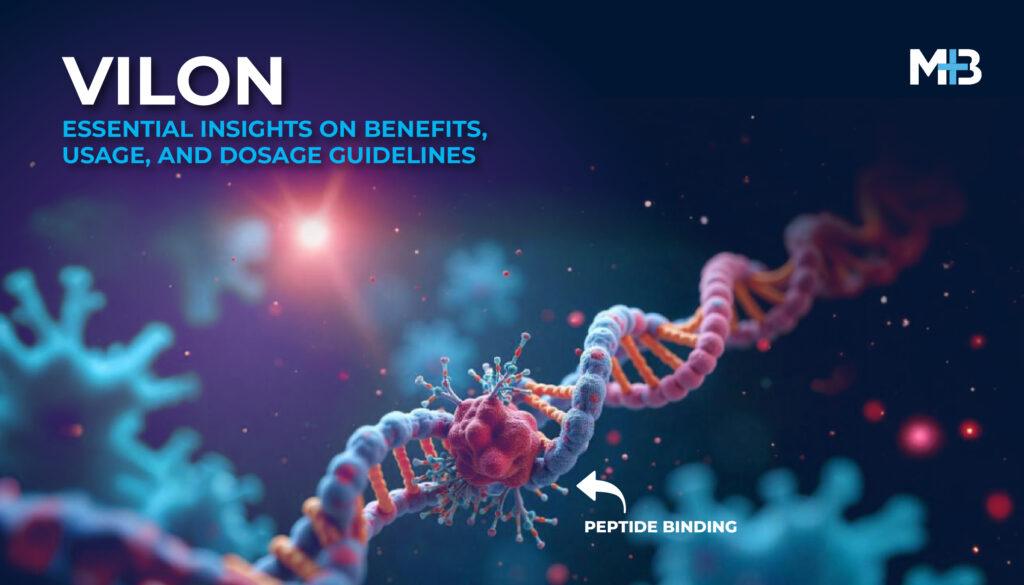
Welcome to the realm of ultra-compact bioregulators with Vilon, a cutting-edge synthetic dipeptide whose expanding scientific portfolio is turning heads in gerontology and immune support research. Modeled after peptide sequences found in thymus extracts, Vilon works at the epigenetic level, regulating gene expression in immune and repair cells to awaken silenced chromatin.
This unique mechanism supports T‑cell activation, tissue regeneration, and balanced immune responses, underpinning its interest in areas like wound healing, inflammation control, cardiovascular resilience, and even preliminary cancer research.
Let’s dive deep into Vilon’s key aspects: its epigenetic mode of action, proven benefits, dosing, sourcing options, and safety. Despite being only two amino acids long, Vilon punches well above its weight, offering surprising immune and anti-aging support.
Key Takeaways
- Vilon is the shortest peptide bioregulator that modulates gene expression in immune cells, boosting immune resilience through targeted chromatin remodeling 🧬
- It accelerates tissue repair and regeneration, supporting healing in wounds, organs, and neural tissues 🩹
- Preclinical studies suggest anti-aging and longevity benefits, with low-dose, early-life use showing stronger lifespan effects⏳
- Side effects are mild and rare, typically limited to brief injection-site discomfort or light fatigue ⚠️
- Always consult a qualified healthcare professional before use to ensure safe dosing, monitor interactions, and tailor treatment to individual needs⚕️

What is Vilon: How it Works?
Vilon is a remarkably small, synthetic dipeptide made up of just two amino acids: L‑lysine and L‑glutamic acid. Despite being only around 275–276 Da in molecular weight, this compact combination carries a unique blend of positive (lysine) and negative (glutamate) charges, allowing it to interact fluidly with cellular structures and easily pass through cell membranes, a quality that gives it an edge in terms of superior bioavailability compared to larger peptides.
Its biological activity has also been linked to tissue regeneration across various organs, including the liver, thymus, spleen, and intestinal lining. These broad effects suggest Vilon acts as a “peptide bioregulator,” balancing gene expression, immune function, and cellular repair processes even though it’s structurally simple. As a bioregulator, it doesn’t override natural processes; instead, it gently tunes the body’s innate systems by working in harmony with them.
Mechanism of Action
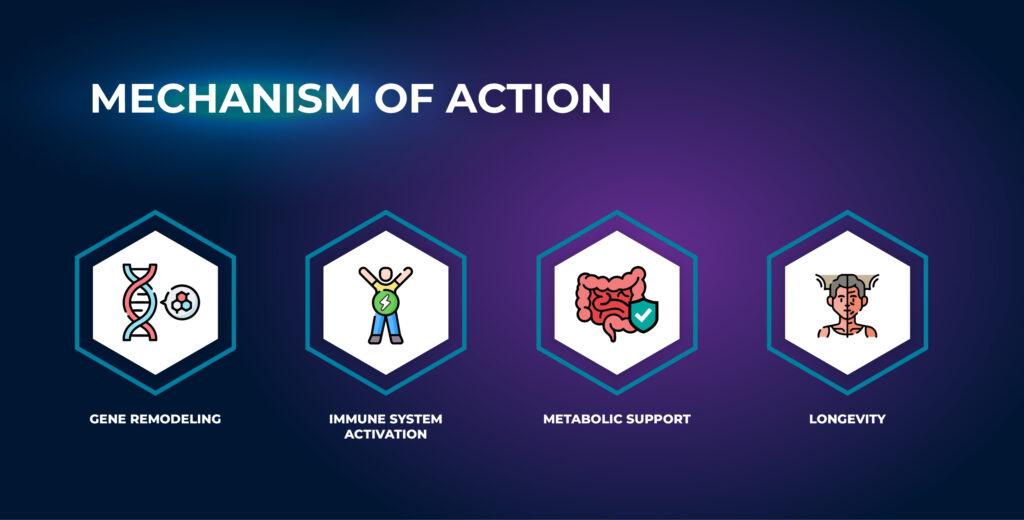
Vilon’s biological activity includes a multi-faceted mechanism rooted in gene regulation, immune enhancement, and tissue support. While most research is still preclinical, the emerging picture shows Vilon’s potential as a powerful support peptide for anyone focused on resilience and recovery. Let’s explore each one by one.
Gene & Chromatin Remodeling
In aging cells, DNA becomes tightly packed, which can cause silencing of important genes. Vilon appears to loosen this compact structure, a process known as deheterochromatinization, leading to reactivation of ribosomal genes and other previously silent genetic regions, which in turn are responsible for rekindling essential protein synthesis and cell function.
Immune System Activation
Vilon encourages growth in immune cell populations, such as T-lymphocytes, and boosts key signaling molecules like interleukin‑2 (IL‑2). It even stimulates calcium-driven activation cascades in thymocytes and macrophages. Together, these effects harmonize the immune system, bolstering defense where needed, while keeping inflammation in check.
Digestive & Metabolic Support
By enhancing gut enzyme levels and improving glucose uptake in the intestines, especially in older subjects, Vilon is known to strengthen digestive efficiency and promote metabolic resilience.
Longevity & Homeostatic Balance
In animal studies, Vilon has been shown to prolong lifespan, slow spontaneous tumor development, and support vascular and metabolic homeostasis, suggesting systemic benefits tied to its gentle regulatory influence.
Where to Buy Vilon?
Swiss Chems Vilon, 20mg
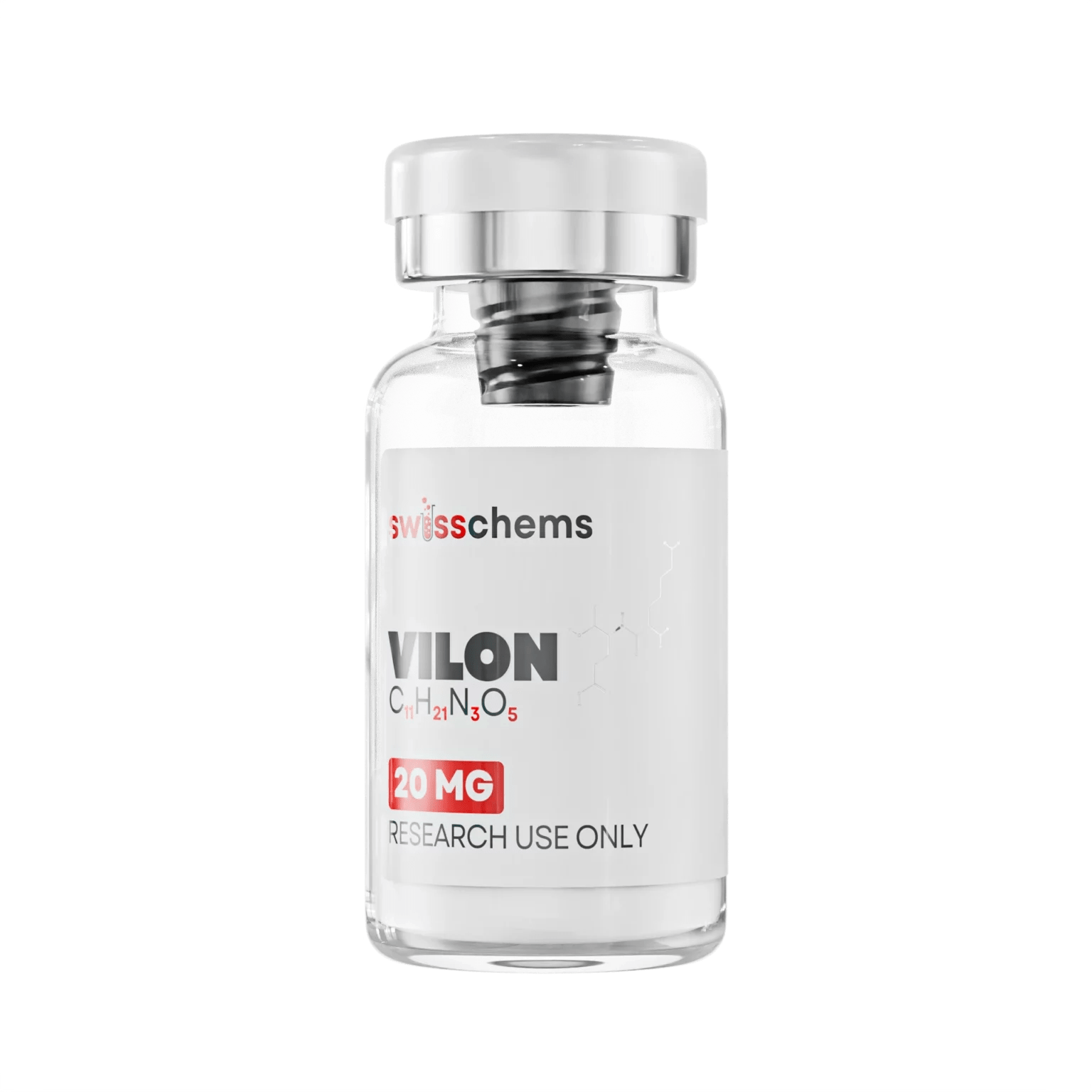
Vilon is a premium product by Swiss Chems that has a bioregulatory role in supporting T-cell proliferation, accelerates tissue repair, and shows anti-aging benefits, making it a standout candidate in peptide-based cellular rejuvenation.
Product Overview
🧪 Form: Injectable
⚖️ Dosage: Typically 5 mg subcutaneously per day
⌛️ Cycle Duration: Usually spans one 7–12-day cycle, often repeated every 4–6 months for sustained support
💰 Cost: $63
🥇 Key Benefits: Boosts immune function, accelerates tissue repair, reduces inflammation, supports gut and skin health, and enhances cellular energy and vitality
❤️🩹 Side Effects: Generally well tolerated; rare mild fatigue or minimal injection-site discomfort
📚 Best Stack: Often paired with epitalon and thymalin for enhanced immune support
🙋 User Experience: Anecdotal reports suggest faster recovery, improved skin elasticity, enhanced immune response, and clearer mental energy during usage
Vilon: Recommended Dosage & Stacks
| Product | Dosage 💊 | Administration 💉 | Timing ⌚ |
| Vilon | 5mg | Subcutaneous Injection | Once a day |
| Stack(Epitalon) | 5-10mg | Subcutaneous Injection | Morning |
| Stack(Thymalin) | 0.5-5mg | Subcutaneous Injection | Once a day |
Health Benefits & Therapeutic Applications of Vilon
Vilon, a powerful yet gentle bioregulator peptide, supports multiple layers of wellness, from immune resilience to cellular repair. By quietly fine‑tuning gene expression and immune responses it helps your body recover faster, age smarter, and thrive under stress. In this section, we’ll explore how Vilon’s balanced orchestration makes it a true wellness ally.
Immune System Support & Balance
Vilon acts as a master regulator of immune function. By stimulating T-lymphocyte activity and normalizing cytokine production, it enhances the body’s ability to recognize and fight off pathogens while tempering excessive inflammation. Clinical studies in animal models have shown restored immune markers and improved resistance to infections, suggesting Vilon helps maintain immune homeostasis, supporting defense without inflammatory overdrive.
Enhanced Tissue Repair & Regeneration
One of Vilon’s most remarkable roles is in supporting tissue repair. As a bioregulator, it amplifies gene expression associated with cellular regeneration. In preclinical studies, Vilon improved healing rates in organs such as the liver, thymus, and gut, and increased collagen synthesis, making it particularly effective for muscle, joint, and skin recovery.
Anti-Aging & Cellular Longevity
Vilon’s influence on chromatin structure enables it to reactivate silenced genes responsible for internal repair and stress resilience. Animal research shows Vilon-treated subjects experienced enhanced physical activity, delayed tumor development, and extended lifespan, highlighting its anti-aging potential.
Reduction of Chronic Inflammation & Oxidative Stress
As we age, persistent low-level inflammation can accelerate tissue damage. Vilon helps break this cycle by lowering inflammatory cytokines and boosting antioxidant gene expression. Research indicates Vilon plays a substantial role in reducing chronic inflammation, supporting joint health, recovery, immune regulation, and overall cellular protection.
Metabolic & Gut Health Enhancement
Vilon supports digestive efficiency by increasing gut enzyme production and enhancing nutrient absorption. Studies in aged rats revealed improved activity of digestive enzymes like maltase, alkaline phosphatase, and improved glucose uptake, essential for sustaining energy, gut integrity, and metabolic balance.
Cardiovascular Health
Vilon appears to support heart and vascular health by gently influencing gene expression and improving the body’s microcirculation. In animal studies, treatment with Vilon (alone or combined with Epitalon) led to beneficial adjustments in dozens of heart-specific genes, changes associated with improved cardiac function and elasticity.
It also helped stabilize blood vessels through the regulation of factors that control vascular permeability, and in diabetic models, it enhanced natural blood clot control by increasing anticoagulants like antithrombin III and protein C, as well as boosting fibrinolytic activity (the body’s ability to break down clots). Collectively, these effects hint at Vilon’s potential to support circulation, vascular resilience, and overall cardiovascular wellness.
Cancer Prevention & Therapy Potential
Vilon has shown encouraging signs in preclinical cancer studies. By modulating immune responses and cellular repair pathways, it has been observed to reduce tumor occurrence in animal models and slow the progression of existing tumors. While these findings are promising, it’s important to note that some early studies suggested that Vilon might interact with chemotherapy drugs like platinum-based agents, indicating that more research is needed. Nevertheless, its dual role in supporting immune surveillance and tissue regeneration suggests Vilon could serve as a valuable adjunctive agent in oncology.
Side Effects & Safety Considerations
Vilon is generally considered safe and well tolerated, with only mild and temporary effects reported in research. Users occasionally experience slight redness or tenderness at the injection site, mild headaches, or minor digestive upset, but serious adverse reactions appear to be rare.
Despite its excellent safety profile, Vilon regulates gene expression and immune function, so caution is wise, especially for those with pre-existing health conditions. People with autoimmune issues, diabetes, or those undergoing cancer treatment should proceed carefully. Some preliminary research suggests it may interfere with certain chemotherapy agents; hence, coordination with a healthcare provider is always recommended.
Injection-related risks, such as bruising or infection, exist, as with any injectable therapy. These can be minimized by using proper sterile technique, rotating injection sites, and following hygienic administration practices.
Practical Safety Recommendations
- Start with low doses.
Begin conservatively, typically around 5 mg subcutaneously over a 10–12 day cycle, to assess personal tolerance. - Seek professional guidance
Consult a qualified healthcare professional, particularly if you’re on medications, undergoing cancer treatment, or managing chronic illnesses. - Monitor your body’s response.
Pay attention to any unusual symptoms—like persistent headaches, injection-site irritation, or signs of infection—and follow up promptly with your provider. - Practice clean administration
Use sterile syringes, rotate injection sites, store the peptide correctly (e.g., refrigerated once prepared), and maintain hygienic habits to reduce risk.
Conclusion
With its unique ability to influence gene expression, bolster immune resilience, support vascular integrity, and even slow tumor growth, Vilon emerges as a remarkably versatile peptide bioregulator. Not only has it demonstrated the capacity to modulate the expression of dozens of heart-specific genes, supporting cardiovascular health, but it’s also shown compelling anti-cancer effects, such as inhibiting tumor proliferation and extending lifespan in animal models.
Clinically, Vilon appears safe and well-tolerated, with minimal side effects reported to date. However, as most of its benefits stem from preclinical and early-phase studies, more robust human trials are crucial to confirm its long-term safety and effectiveness.
FAQs
Is Vilon safe and free from serious side effects?
Yes, both human cell studies and animal research show Vilon is well tolerated, with only mild, temporary effects like injection-site redness, minor headaches, or digestive upset.
How does Vilon influence the immune system?
It modulates immune cell behavior by reducing inflammatory cytokines and promoting healthy proliferation and differentiation in immune cells
Can Vilon support cardiovascular health?
In animal models, Vilon modified the expression of dozens of heart-related genes, changes linked to improved cardiac function and vascular stability.
Does Vilon have anti-cancer potential?
Preclinical studies indicate Vilon can suppress tumor growth and reduce cancer incidence through gene expression shifts, though more research is needed in humans.
Are there known drug interactions with Vilon?
Because Vilon affects gene and immune pathways, there’s theoretical potential for interaction, especially with chemotherapy agents, so consulting a healthcare provider is recommended.