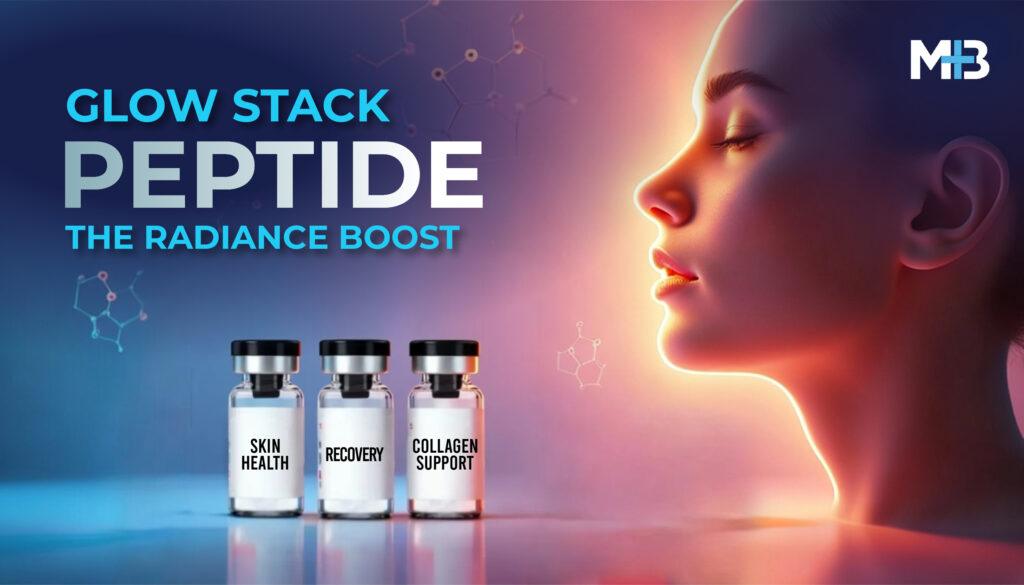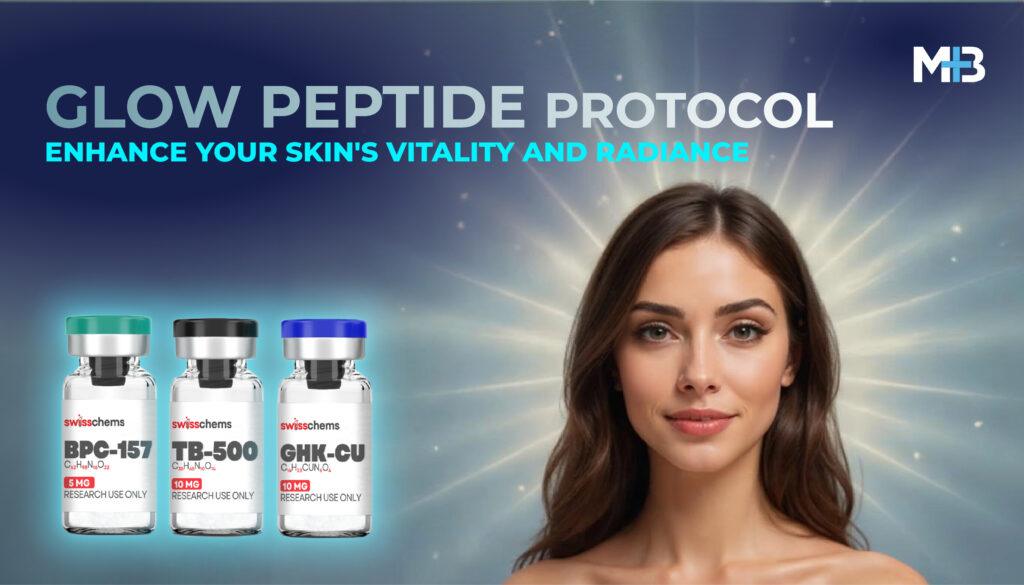
You want skin that looks firm and bright for skin rejuvenation. You also want faster recovery after procedures and workouts. The glow peptide protocol offers a focused plan to support tissue repair, collagen synthesis, and overall skin health.
Peptides are short chains of amino acids that act like signals in the body. They can guide cells toward repair and balance. In regenerative medicine, clinicians use specific peptides to support wound healing, tissue regeneration, reduce inflammation, and protect collagen at the cellular level. The glow peptide protocol brings these ideas together in a simple plan that targets skin and connective tissue.
This article shows how a strategic combination of three peptides may help. You will learn how the blend can support cellular repair, blood vessel formation, and anti aging inflammatory balance. You will also see simple plans for cycles, safety notes, and answers to common questions.
Let’s discuss: what would change if you could nudge collagen and elastin from the inside out, calm chronic inflammation, and speed recovery without harsh steps?
Key Takeaways
- The glow peptide protocol blends three peptides that support collagen synthesis, elastin production, and tissue healing. ✨
- BPC 157 and TB 500 may help cell migration, blood vessel formation, and recovery after stress or procedures. 💡
- GHK Cu copper peptide can signal collagen and elastin genes for skin firmness and radiance. 🌟
- A structured peptide protocol with tracking and good skincare habits supports steady results and safety. 📈
- Work with a medical team and a reputable compounding pharmacy for the glow peptide injection and related products. 🧪

How the Glow Peptide Protocol Signals Repair
The glow peptide protocol uses short chains of amino acids to nudge the body toward repair. The goal is simple. Signal healing at the cellular level and support new healthy tissue. The plan looks at the skin and the deeper layers that carry blood and nutrients.
The protocol focuses on three tools. BPC-157, TB-500 which is a fragment of thymosin beta 4, and GHK-Cu copper peptide. Each one brings a distinct action. Together, they aim for broad spectrum support of collagen and elastin, wound healing, and skin regeneration.
The Trio Behind the Glow Blend
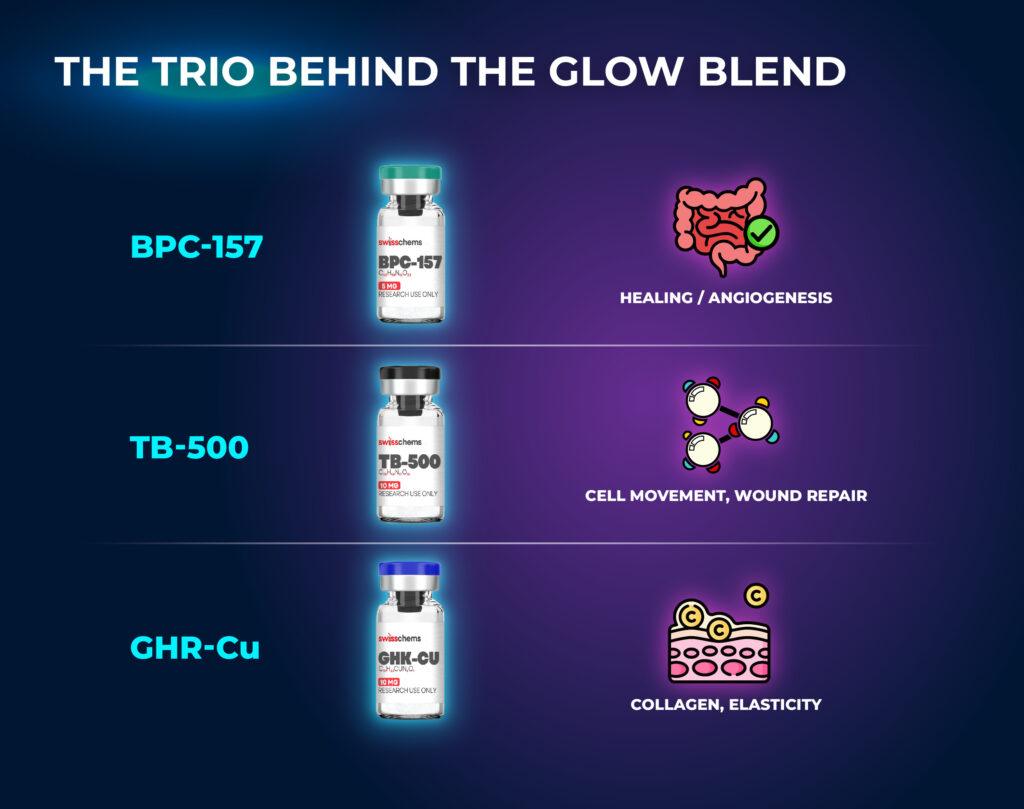
BPC-157 comes from a sequence in human gastric juice. The synthetic version is studied for tissue healing, gut health, and anti-inflammatory balance. It may support angiogenesis which is the growth of new blood vessels. This helps move nutrients to areas that need repair.
TB-500 is a short fragment of thymosin beta 4. Thymosin beta 4 is a naturally occurring protein in human plasma. TB-500 helps cells move to injured sites. It supports actin dynamics which is key for cell migration and organization during healing.
GHK-Cu is a copper peptide found in human plasma and saliva. It can bind copper and act as a signaling molecule. Research links GHK-Cu to collagen stimulation, elastin production, and improved skin elasticity. It also shows antioxidant and anti-inflammatory effects.
What Are The Benefits of the Glow Peptide Protocol? From Collagen Synthesis to an Anti Inflammatory Reset
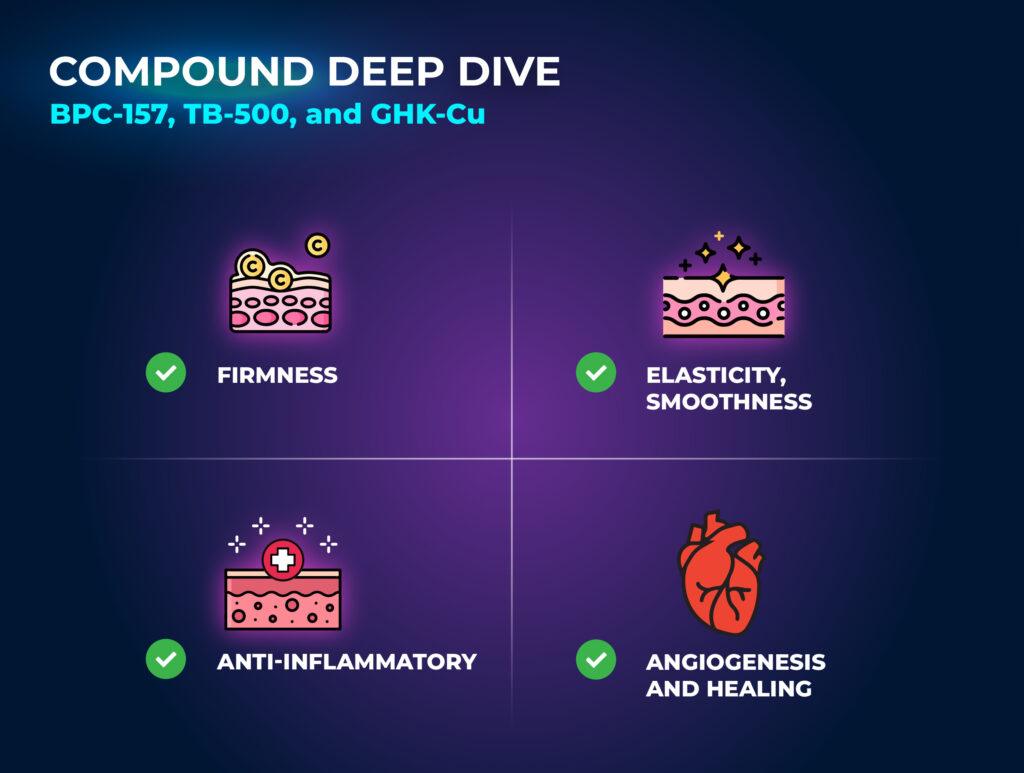
The glow peptide protocol targets visible and structural change. It goes deeper than the surface, supporting the systems that hold skin. The blend may help with firmness, fine lines, support recovery time, and even comfort in joints and soft tissue.
Collagen Synthesis: Building Firmness and Skin Elasticity
Collagen is the scaffold that keeps skin firm. Elastin lets the skin bounce back. Aging and chronic inflammation lower both. The protocol supports fibroblasts and stimulating collagen in the extracellular matrix. It also supports gene signaling that promotes new collagen and elastin.
BPC-157 may help fibroblasts organize new tissue. TB-500 improves the movement of repair cells to where they are needed. GHK-Cu can upregulate genes linked to collagen and elastin. Together, these steps support smoother texture and better skin elasticity.
Anti Inflammatory: Calming Redness for Faster Tissue Healing
Inflammation helps with early defense but can slow repair when it stays high. The glow blend may help shift the balance toward resolution. Lower inflammatory signals help reduce redness and swelling. They also help cells lay down new tissue in an orderly way.
By easing systemic inflammation, the protocol can support comfort in tendons and joints. Better balance may also lower oxidative damage, which protects collagen from breakdown. The result is improved tone and a calmer look.
Promotes Angiogenesis: New Blood Vessels for Repair
New blood vessels bring oxygen, amino acids, and growth factors. This flow is vital for wound healing and skin regeneration. BPC-157 is linked with angiogenesis in injured tissue. TB-500 also supports blood vessel formation during the repair phase. With better delivery, the skin can recover faster after glow peptide injection stress or procedures.
How To Dose and Track Your Peptide Injections
A peptide protocol is a plan, not a single dose. It sets a start phase, a steady phase, and a review point. This helps you measure what works and what needs to change. Always work with a clinician to set dose, frequency, and cycle length.
Track simple markers. Note skin texture, hydration, redness, and recovery time after workouts or treatments. Take clear photos in the same light each week. Keep a short log of sleep, stress, and protein intake. These habits make your plan safer and more effective.
Many users take peptides by subcutaneous injection. The needle enters the soft fat under the skin. Common sites are the abdomen and thigh. Rotate sites to reduce irritation. Clean the skin, use sterile supplies, and follow your clinician’s steps.
A glow peptide injection can be used near areas that need help. This includes old scars, fine lines, and slow-healing areas. Some clinicians time injections around microneedling or laser sessions. The goal is to support the repair window without adding stress to the skin.
Compound Deep Dive: BPC-157, TB-500, and GHK-Cu
BPC-157 and TB-500 is a common pair for tissue repair and recovery. BPC 157 supports angiogenesis and gut barrier integrity. TB-500 helps organize the movement of cells during repair. Together, they may shorten downtime and support better scar tissue formation.
This pair is also used for joint pain and tendon strain. The protocol can fit both athletes and busy professionals who want consistent recovery. It can also help after cosmetic procedures by supporting a calm and orderly healing process.
BPC-157
BPC-157 (short for “Body Protection Compound-157”) is a synthetic peptide made up of 15 amino acids. It doesn’t occur naturally in the body but is derived from a partial sequence found in human gastric juices.
The peptide is best known for its regenerative and healing potential. It supports recovery by promoting angiogenesis (the growth of new blood vessels) through activation of the vascular endothelial growth factor (VEGF). This helps build a stronger vascular network, which is essential for repairing muscle, tendons, and connective tissue.
BPC-157 also works by inhibiting 4-hydroxynonenal, a compound that slows tissue growth and healing. By blocking this negative factor, BPC-157 accelerates wound repair, particularly around tendons and soft tissue.
Many users run BPC-157 for injury recovery, gut health, and overall healing support. It’s available in different forms, most commonly as an injectable or nasal spray.
Disclaimer: This content is for informational purposes only. BPC-157 is not intended to diagnose, treat, cure, or prevent any disease. Always consult a healthcare professional before adding new supplements to your regimen.
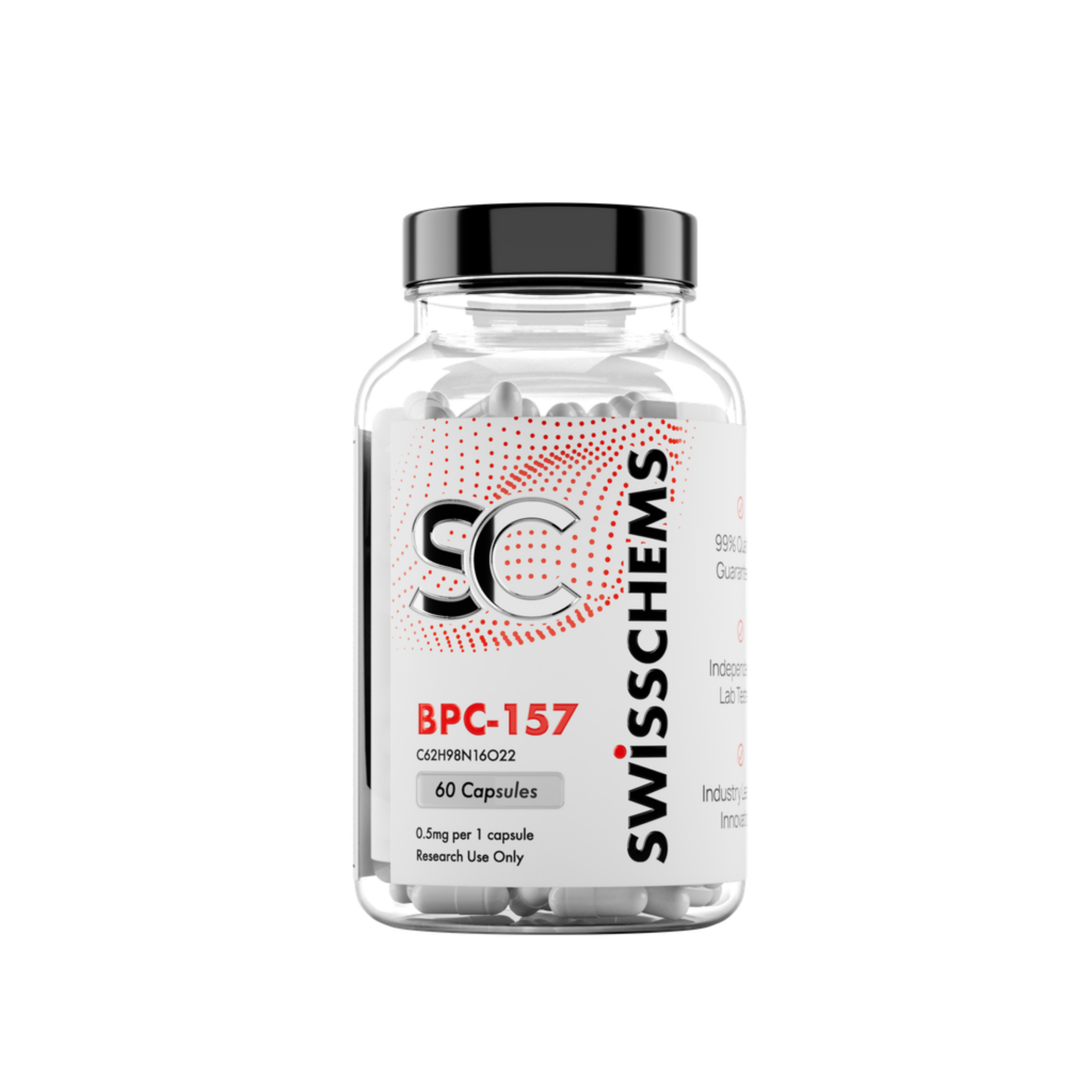
BPC-157 Overview
⭐ Top Benefits: Recovery from injury, tendon/ligament repair
🧪 Form: Injectable liquid, nasal spray, capsules
⌛ Max Time Used: Up to 14 weeks
💰 Average Cost: $39.99 per 5mg vial
❤️🩹 Side Effects: Possible abdominal pain, injection site irritation
📚 Best Peptide Stack: Often paired with TB-500, HGH, or IGF-1
Copy Brawn10 for 10% off
- Supports faster recovery from injuries and tendon damage
- May improve gastric function and gut health
- Strong regenerative effects through angiogenesis
- Can cause abdominal discomfort in some users
- Injection site pain is a common complaint
- Limited long-term human research available
TB-500
TB-500 is a synthetic peptide fragment of Thymosin Beta-4, a naturally occurring protein found in almost all human and animal cells. It plays a key role in cell migration, blood vessel formation, and tissue regeneration, making it a valuable compound for recovery-focused research.
Unlike anabolic agents that stimulate muscle growth through hormonal pathways, TB-500 works on a cellular level by improving healing speed, flexibility, and recovery from soft tissue injuries. Researchers often explore its effects on muscle repair, inflammation reduction, and cardiovascular protection.
This peptide is widely recognized for promoting faster wound healing, increased endurance recovery, and enhanced circulation to damaged areas. Its ability to regulate actin, a critical component of cell structure and movement, makes it uniquely suited for studies involving injury recovery and tissue remodeling.
TB-500 is often studied alongside BPC-157 for synergistic regenerative effects, with both compounds showing complementary benefits for muscle, tendon, and ligament repair. It is typically administered via subcutaneous or intramuscular injection in a research setting.
Disclaimer: This content is for informational purposes only. TB-500 has not been approved for medical use by the FDA or other regulatory agencies. Always consult a qualified professional before handling or researching peptides.
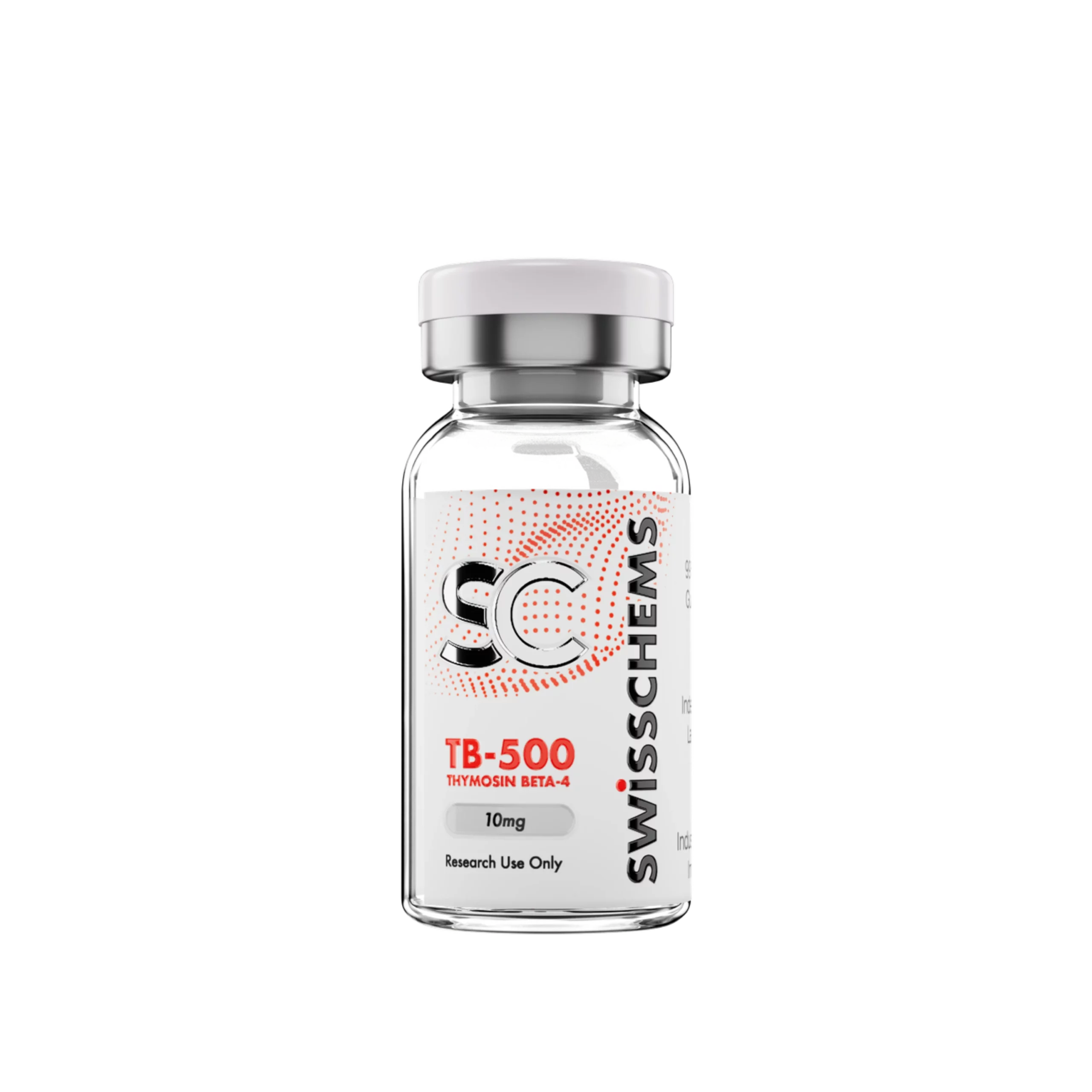
TB-500 Overview
⭐ Top Benefits: Accelerated tissue repair, reduced inflammation, enhanced recovery, improved flexibility
🧪 Form: Injectable peptide (vial)
⌛ Max Time Used: Commonly 4–6 weeks (research context; limited long-term data)
💰 Average Cost: $42.36 per 10-mg vial
❤️🩹 Side Effects: Possible fatigue, mild lethargy, temporary injection site redness or irritation
📚 Best Peptide Stack: Often paired with BPC-157, GHK-Cu, or CJC-1295 for advanced regenerative research
Copy Brawn10 for 10% off
- Promotes cellular regeneration and tissue repair
- Reduces inflammation and enhances flexibility
- Supports healing of muscles, tendons, and ligaments
- Limited human research and not approved for medical use
- May cause mild fatigue or injection site irritation
- Short research duration limits understanding of long-term effects
GHK-Cu
GHK-Cu is a synthetic tripeptide-copper complex composed of glycyl-L-histidyl-L-lysine bound to copper ions. This naturally occurring peptide has gained significant research interest for its ability to support tissue regeneration, wound healing, and collagen synthesis in experimental models.
In laboratory studies, GHK-Cu demonstrates the ability to modulate gene expression, promote angiogenesis, and assist in the repair of damaged skin and connective tissue. Its antioxidant and anti-inflammatory properties have also made it a focus in research related to skin rejuvenation and hair growth.
GHK-Cu is typically studied in topical, injectable, or microneedling applications, and is sometimes combined with peptides like BPC-157 or TB-500 to enhance regenerative outcomes.
Disclaimer: For research purposes only. GHK-Cu is not approved for human or veterinary use by the FDA or any other regulatory body.
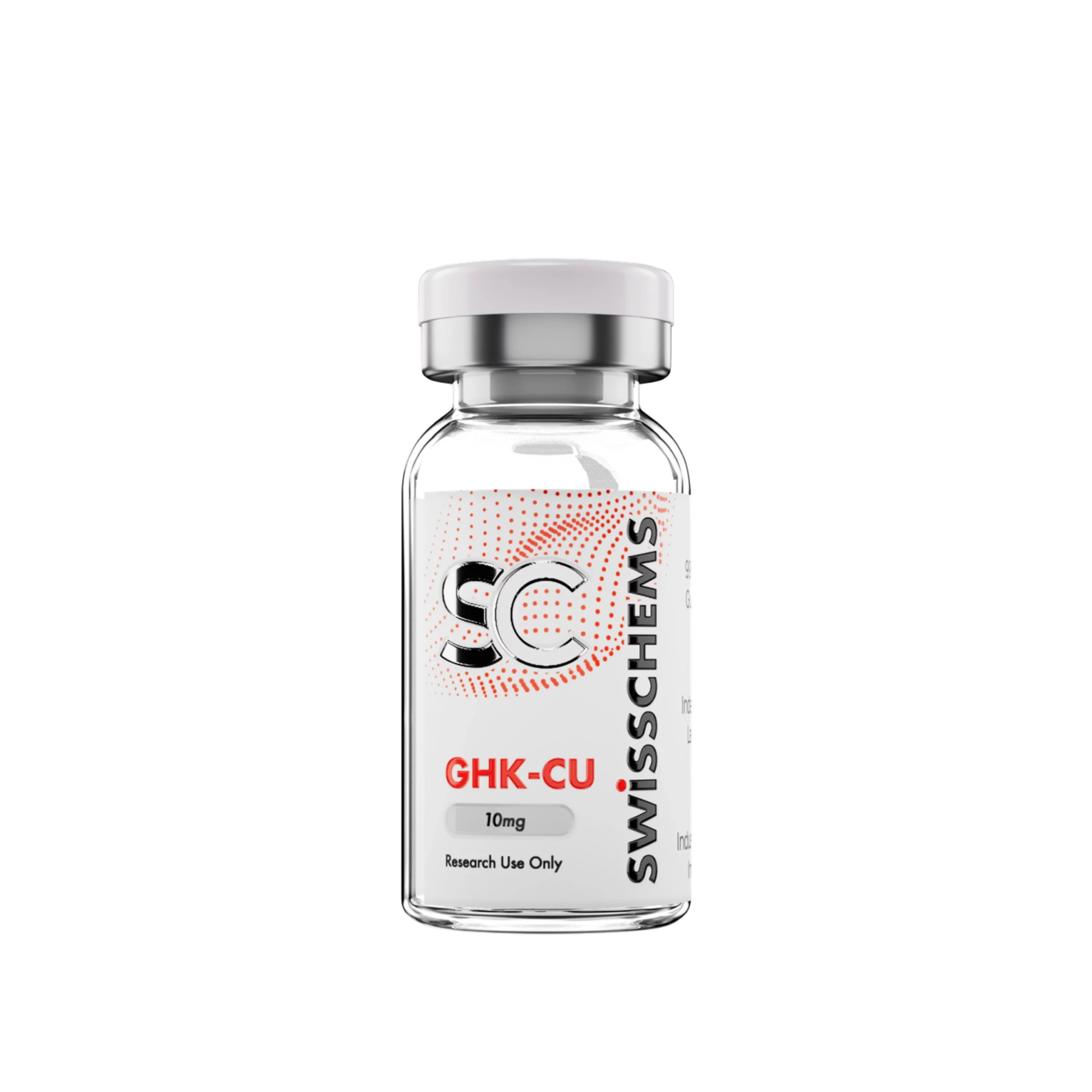
GHK-Cu Overview
⭐ Top Benefits: Supports tissue repair, boosts collagen production, promotes skin and hair regeneration
🧪 Form: 10mg vials (kit of 10 vials, total 100mg)
⌛ Common Research Duration: 4–8 weeks
💰 Price: $246.95 per 10-vial kit, 100mg each
📚 Best Stack: BPC-157, TB-500, GHRP-2
Copy Brawn10 for 10% off
- Promotes collagen synthesis and skin rejuvenation
- May accelerate wound and tissue healing
- Exhibits antioxidant and anti-inflammatory properties
- Limited human data and not approved for clinical use
- Potential for mild irritation in topical or injection studies
- Short biological half-life may require frequent dosing
For Scalp Health
GHK Cu can support hair follicles. It may lengthen the anagen phase of the hair cycle. More time in growth phase can mean thicker hair over time. Better blood flow helps the follicle environment and supports nutrient delivery in current pharmaceutical design .
Some plans add gentle microneedling on the scalp. A copper peptide solution can be applied after the session. BPC 157 and TB 500 may support repair of the scalp after treatment. Speak with a professional to set safe timing and frequency.
For Gut Health
Gut health and skin health connect through the immune system and hormones. When the gut barrier is strong, fewer irritants cross into the body. This can lower systemic inflammation. Lower systemic inflammation can lead to clearer skin and better tone.
BPC 157 supports the mucosa and may help repair the barrier after stress. Combine the protocol with fiber rich foods and quality protein. Hydrate well and limit alcohol to protect the lining. These small steps increase the payoff from your plan.
For Anti-Aging Glow
Aging changes collagen, elastin, and hydration. The glow peptide protocol addresses these pillars from more than one angle. It signals repair, supports new blood vessels, and balances inflammation. Users often report better glow, fewer wrinkles, tighter texture, and a smoother look over time.
Make the basics part of your plan. Wear sunscreen daily. Use a gentle cleanser and a moisturizer that fits your skin type. Add a retinoid at night if your skin allows. Train with resistance two to three times a week. Sleep seven to nine hours to support collagen turnover.
Safety, Side Effects, and Who Should Avoid
Most people tolerate peptides well when used under medical guidance. Still, side effects can occur. Mild effects include headache, nausea, and irritation at the injection site. These usually pass within a short time.
Stop and speak with a clinician if you see severe redness, swelling, fever, or a rash. People who are pregnant or nursing should avoid peptide therapy. People with active cancer or serious chronic disease should only consider peptides with specialist oversight. Always use products from a reputable source and store them as directed.
Dosage and Cycle Planning
The following are educational examples only. They show how a clinician may think about cycles. They are not personal medical advice. Your plan may use different forms or timing.
Cycle structure
- Weeks 1 to 6. Loading phase for cellular repair. Track skin response each week.
- Weeks 7 to 12. Maintenance phase with lower frequency.
- Week 12. Reassess. Continue, pause, or adjust based on goals.
Administration tips
- Rotate subcutaneous injection sites to reduce irritation.
- Keep a clean setup and follow storage rules.
- Do not mix products in the same syringe unless your clinician directs it.
- If you use topical copper peptides, do not layer with strong acids in the same routine.
Final Thoughts: Are You Willing to Glow?
The glow peptide protocol offers a simple, science guided way to support skin firmness, elasticity, and recovery. By combining BPC 157, TB 500, and GHK Cu, the plan targets collagen synthesis, blood vessel formation, and anti-inflammatory balance. This multi angle approach looks beyond surface care and supports the deeper systems that keep skin strong.
Results depend on steady habits and good oversight. Track progress with weekly photos, sleep, and protein intake. Pair the protocol with peptide therapy, sunscreen, a gentle routine, and resistance training. These steps protect the new collagen you build and keep inflammation in check.
Always work with a medical team and choose trusted sources. Follow sterile technique for any peptide injection and respect cycle breaks. With the right plan, you can support radiant skin and better recovery without guesswork.
Frequently Asked Questions (FAQs)
What is the glow peptide protocol?
It is a plan that uses three peptides to support repair. The focus is on collagen synthesis, tissue healing, and anti inflammatory balance. The peptides are BPC 157, TB 500, and GHK Cu.
How is a peptide injection performed and how often?
Most injections are subcutaneous. A small needle goes into the fatty layer under the skin. Frequency depends on your cycle and goals. A clinician sets the plan and adjusts it based on response.
How long before results show for skin and hair regrowth?
Most people need at least eight to twelve weeks to see steady change. Texture and hydration often improve first. Hair changes take longer and depend on the cause of hair loss.
Can this help with joint pain or post procedure recovery?
The protocol can support soft tissue repair and comfort. It may shorten downtime after procedures. It should be used with guidance and with normal aftercare steps.
Is it safe to combine with retinoids and vitamin C?
Yes, many people use copper peptides with retinoids and vitamin C. Use them at different times of day. Stop if you see irritation and restart slowly.