Contents10 sections
NACET (N-acetylcysteine ethyl ester) is a modified form of NAC, the antioxidant supplement and medicine best known for raising glutathione. Adding an ethyl group makes the molecule more fat-soluble, which in lab and animal studies lets it get into cells, and into the brain, more easily than NAC.
That is the whole case for NACET, and it is a reasonable one, but it rests mostly on cell and rat studies. There are no solid human trials yet showing that NACET works better than NAC for any health outcome.
This guide covers what NACET is, how it works, how it compares with NAC, the doses people commonly report, its potential benefits, and its side effects and precautions.
Key Takeaways
- NACET is the ethyl ester of NAC: the added ethyl group makes it fat-soluble, so it enters cells more easily, where it turns back into NAC and then cysteine.
- In cell and rat studies, NACET raised glutathione more efficiently than NAC, and oral NACET raised glutathione in the brain of rats.
- There are no solid human trials: claims of better absorption and brain, liver or recovery benefits in people are extrapolated from lab work and from NAC research.
- No human dose has been established. Commonly reported doses are about 100-400 mg per day, versus 600-2,400 mg per day for NAC in human studies.
- NAC has a long safety record, but NACET has no long-term human safety data. Expect NAC-like side effects such as stomach upset and headache.
What Is NACET?
NACET (N-acetylcysteine ethyl ester) is a derivative of NAC (N-acetylcysteine) in which NAC’s acid group is capped with an ethyl group. That small change makes the molecule lipophilic (fat-soluble), so it passes through cell membranes much more easily than NAC, which carries an electric charge at the body’s pH and crosses membranes poorly.
Once inside a cell, NACET is converted back into NAC and then into cysteine, the amino acid the body needs to make glutathione (GSH), its main antioxidant inside cells. NACET is marketed for antioxidant support, liver detoxification, brain health and healthy ageing. Those uses are reasonable to study, but so far they are supported by cell and animal research rather than human trials.
How It Works: Mechanism of Action
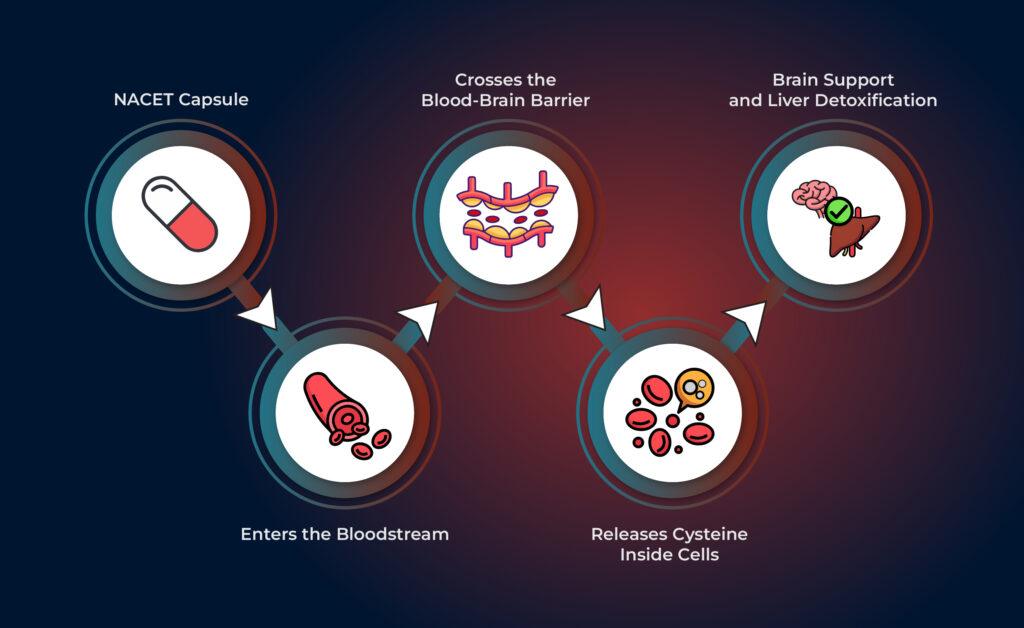
Glutathione is built from three amino acids: glutamate, cysteine and glycine. Cysteine is usually the one in short supply, so it sets the pace of glutathione production. Supplying more cysteine is the idea behind both NAC and NACET.
The difference is delivery. Taken by mouth, NAC is largely broken down in the gut wall and liver before it reaches the circulation, and its oral bioavailability in humans is below 10%. NACET’s ethyl ester lets it move through lipid membranes and into cells directly.
In a key rat study published in Biochemical Pharmacology in 2012, rats given NACET by mouth absorbed it quickly, yet very little showed up in their blood. The reason was that cells took it up and converted it into NAC and cysteine almost immediately, in effect trapping it inside. Oral NACET raised glutathione in most of the tissues the researchers measured, including the brain, and protected the rats from acetaminophen (paracetamol) poisoning. These are animal results; how closely they carry over to people has not been tested.
NACET vs NAC: What the Research Shows
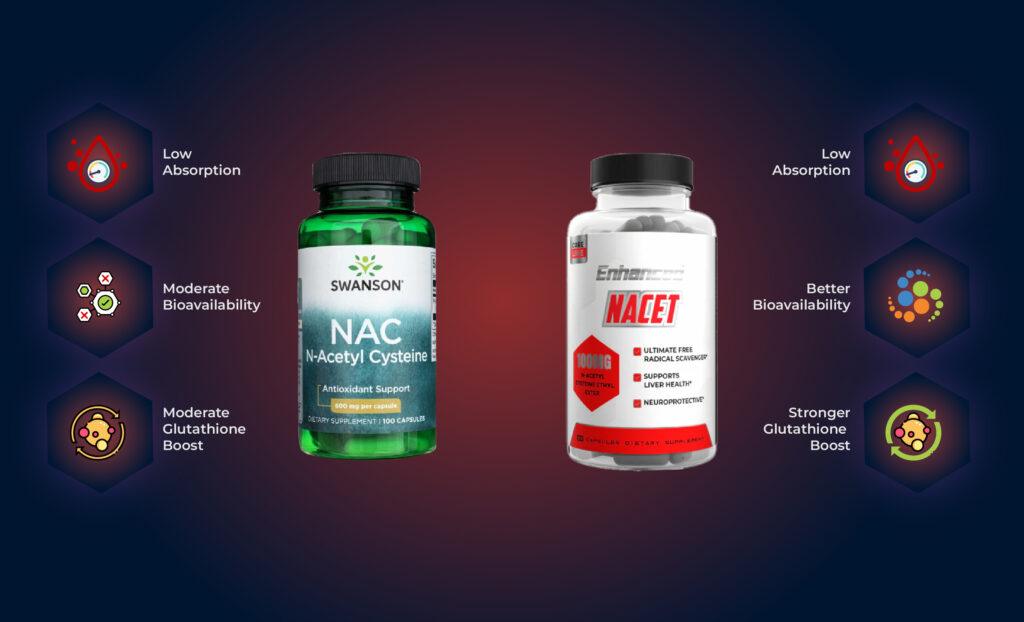
NACET and NAC both work by supplying cysteine for glutathione. The difference is how much of it reaches the inside of cells. In cell studies, including one in human retinal pigment epithelial cells (the cell layer that supports the retina), NACET was more effective than NAC at raising glutathione and protecting the cells from oxidative damage, and it worked at lower concentrations.
NAC, on the other hand, has decades of human data. It has been a medicine since the 1960s, first as a mucus thinner and later as the standard antidote for acetaminophen overdose, and it has been tested in many clinical trials. NACET has none of that track record yet. “Better than NAC” is a reasonable hypothesis from lab work, not a proven fact in people. For more on NAC itself, see our comparison of NAC vs NAD.
| Feature | NAC | NACET |
|---|---|---|
| Chemical form | N-acetylcysteine | Ethyl ester of N-acetylcysteine |
| Fat solubility | Low | High |
| Oral bioavailability in humans | Below 10% | Not measured in humans |
| Brain glutathione | Limited, mixed evidence in humans | Raised in rats after oral doses |
| Human evidence | Decades of clinical use and many trials | No solid human trials |
| Medical status | Approved medicine (acetaminophen overdose, mucus thinner) | Not an approved medicine; sold as a supplement |
| Doses | 600-2,400 mg per day in human studies | About 100-400 mg per day commonly reported |
NACET Dosage: Studied and Reported Doses
No human study has worked out a dose of NACET. The figures below are commonly reported doses for NACET and, for NAC and the compounds often taken with it, doses used in human studies. They are not recommendations.
Commonly reported NACET intakes are about 100-400 mg per day, usually taken with food in one or two servings. That is well below the 600-2,400 mg per day used for NAC in human trials, on the assumption that better cell uptake means less is needed. That assumption comes from cell and rat data and has not been confirmed in people.
| Compound | Dose | Where the figure comes from | Timing |
|---|---|---|---|
| NACET | 100-400 mg per day | Commonly reported; no human dose studies | With food, once a day or split |
| NAC | 600-2,400 mg per day | Doses used in human studies | Usually split into 2-3 doses |
| Alpha lipoic acid | 300-600 mg per day | Doses used in human studies | Empty stomach, 30 minutes before a meal |
| Milk thistle (silymarin extract) | 200-400 mg per day | Commonly used doses | With lunch or dinner |
Some people pair NACET with alpha lipoic acid and milk thistle as an antioxidant and liver stack. No study has tested that combination.
Buying NACET
NACET is sold online, mostly as capsules. Check that the label lists N-acetylcysteine ethyl ester, not plain NAC, and choose a seller that publishes independent lab testing for each batch. SwissChems, a Muscle & Brawn partner, sells a range of nootropics and research compounds.

Pros
- Exceptional purity & testing (≥98%)
- Pharmaceutical-style packaging for stability
- Broad catalog across peptides & nootropics
- Strong reputation & consistency across years
Cons
- Some items frequently out of stock due to high demand
- Limited long-term data for some compounds
Potential Benefits of NACET
The benefits below are what NACET is studied and marketed for. Each one rests on cell and animal studies of NACET, plus what is known from human research on NAC. None has been confirmed in a human trial of NACET.
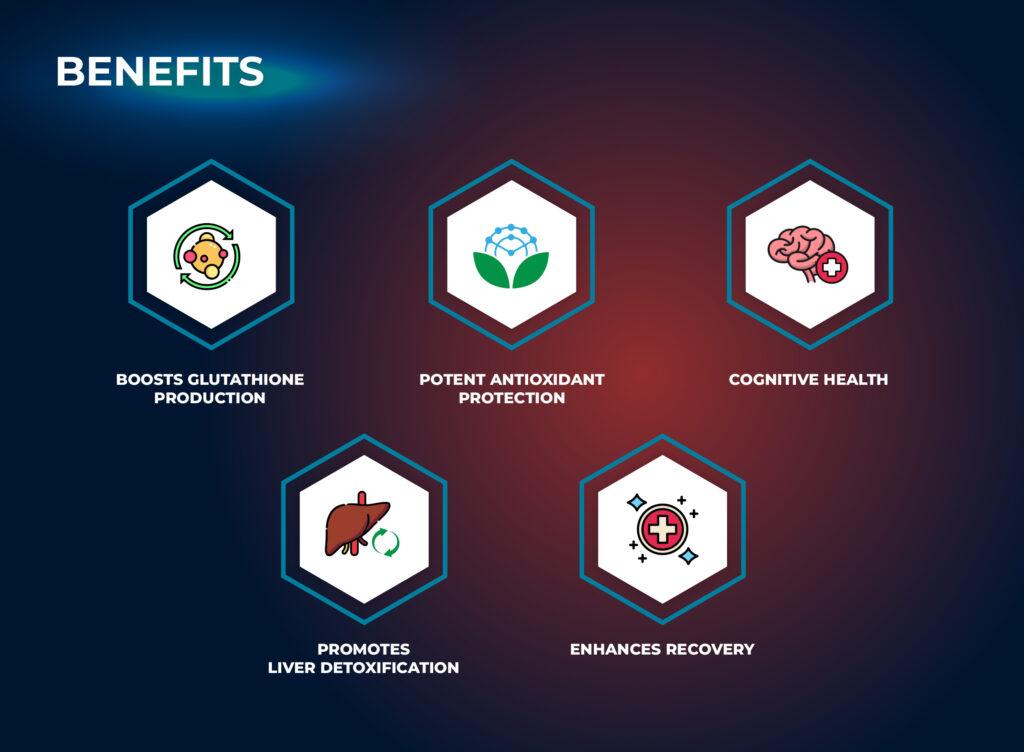
Raises Glutathione Production
This is the best-supported effect. In cell studies and in rats, NACET raised glutathione inside cells more efficiently than NAC, often at lower concentrations. Glutathione neutralizes reactive molecules, helps the liver process toxins and drugs, and recycles other antioxidants such as vitamins C and E. For another way people try to raise it, see our guide to glutathione injections.
Antioxidant Protection
In the retinal cell work, NACET protected cells against oxidative stress better than NAC. Oxidative stress, an excess of reactive oxygen species over the body’s defenses, is linked to tissue damage and ageing. Lower oxidative stress in a dish, however, does not automatically mean better health in a person.
Brain Glutathione
Rats given NACET by mouth had higher glutathione in the brain, which is the main reason researchers see it as a possible neuroprotective agent. NAC itself has been tested in small human trials for several psychiatric and neurological conditions, with mixed results. There are no human studies showing that NACET improves focus, memory or cognitive ageing.
Liver Support
NACET protected rats from acetaminophen poisoning, and NAC is the standard hospital antidote for acetaminophen overdose. That makes liver protection a plausible use, but there are no human data on NACET for liver health, alcohol or medication stress. Bodybuilders looking for liver support during a cycle more often use NAC or TUDCA; see our guide to cycle support.
Recovery and Exercise
Studies of NAC in exercise, many of them using intravenous infusion rather than capsules, have shown delayed muscle fatigue in lab tests. NACET has not been studied in athletes. There is also a trade-off: high-dose antioxidants taken around training can blunt some training adaptations, which has been shown mainly with vitamins C and E. Whether this applies to NACET is unknown.
Where the Research Is Heading
NACET has drawn research interest because of its unusual pharmacology and therapeutic potential. These are the main areas being explored, mostly in cells and animals:
- Neuroprotection: whether raising brain glutathione can protect neurons from oxidative stress, a factor studied in conditions such as Parkinson’s and Alzheimer’s disease.
- Eye health: protecting retinal cells from oxidative damage, the focus of the retinal pigment epithelial cell work.
- Liver and organ protection: protection against toxic injury, as in the rat acetaminophen experiments.
- Blood vessels and metabolism: whether better glutathione status supports blood vessel function. For NACET this is still theoretical.
- Immune function: glutathione supports immune cells, but there is no NACET immune research in people.
Until controlled human trials are published, treat these as research directions, not proven benefits.
Safety Profile and Side Effects
NAC has a long safety record in medicine. NACET becomes NAC inside the body, so similar side effects are likely, but it reaches tissues differently and has not been through human safety testing. Its safety profile in people is largely unknown.
Possible Side Effects
With NAC, the most common side effects are nausea, vomiting, diarrhea, stomach pain and headache, mostly at higher doses. Users report similar mild stomach upset with NACET, which taking it with food often reduces.
Precautions and Interactions
People with liver or kidney disease, and anyone pregnant or breastfeeding, should talk to a doctor first. NAC can strengthen the effect of nitroglycerin, causing low blood pressure and headaches, and the same caution sensibly applies to NACET.
Anyone on chemotherapy or radiotherapy should check with their oncologist before using NACET, because high-dose antioxidants may interfere with some cancer treatments.
Long-Term Use
There is no long-term human safety data for NACET. Long-term NAC use in clinical trials has generally been well tolerated, but that cannot simply be assumed for a compound that is distributed differently in the body. Anyone planning to use it for months should do so with medical oversight.
The Bottom Line
NACET is a promising, more cell-permeable form of NAC, but its advantages have been shown in cells and rats, not yet in people.
- The ethyl ester makes NACET fat-soluble, so it enters cells (and, in rats, the brain) more easily than NAC and raises glutathione at lower doses.
- There are no solid human trials. Claims of better absorption and brain, liver or recovery benefits in people are extrapolated from lab work and NAC research.
- No human dose is established; commonly reported doses are about 100-400 mg per day. NAC remains the option with decades of human evidence behind it.
Frequently Asked Questions
Disclaimer
Please read carefully
The information on this site is for educational and informational purposes only, and is not medical advice. Always consult a qualified healthcare professional before using any supplement or medication, or making changes to your health, fitness, or nutrition routine.
Not medical advice
Content here is not a substitute for professional medical advice.
Consult your doctor
Talk to your doctor before starting any supplement or new routine.
Use at your own risk
We are not responsible for adverse effects from acting on this.
Do your research
Make informed decisions about your own health.
No guarantees
Individual results vary. No claims about outcomes.
Important — Never disregard professional medical advice or delay seeking it because of something you read here. If you think you may have a medical emergency, call your doctor or your local emergency number right away.