Contents11 sections
Yes, you can stop testosterone replacement therapy (TRT). But your testosterone does not simply return to where it was before you started. While you are on TRT, your brain stops sending the signals (LH and FSH) that tell your testes to make testosterone and sperm. When you stop, those signals take time to come back, so levels often fall below your old baseline for weeks or months before they recover.
How long that takes depends on how long you were on TRT, the dose and type you used, your age, and why your testosterone was low in the first place. Doctors can soften or shorten the gap with medicines such as hCG, clomiphene or enclomiphene, and lifestyle changes help too.
This guide covers why men stop TRT, what to expect after stopping, typical recovery timelines after weeks, months or years on treatment, and the options to discuss with your doctor before you stop.
Key Takeaways
- You can stop TRT, but testosterone rarely goes straight back to your pre-TRT level. Your own production has been switched off, so levels often fall below your old baseline for weeks to months first.
- Recovery is slower after years of use, at higher doses and in older men. Men with testicular (primary) hypogonadism have little to restart and return to their low baseline.
- Doctors may use hCG, clomiphene or enclomiphene to restart natural production or protect fertility. There is no single standard protocol, and enclomiphene is not FDA-approved.
- Fertility usually returns: in pooled male contraception trials, sperm counts recovered in about 90% of men within 12 months and in essentially all within 24 months.
- Plan the stop with your prescriber, get blood tests before and after, and support recovery with weight loss, exercise and good sleep.
When Do You Need TRT?
Hypogonadism in men is the clinical syndrome that results from the failure of the testes to produce enough testosterone, sperm, or both. That is the definition used in the Endocrine Society’s clinical practice guideline, which was last revised in 2018.
Classical hypogonadism, with markedly low testosterone due to an identifiable disorder of the testes (primary hypogonadism), the hypothalamus or pituitary (secondary hypogonadism), or both, is a universally accepted reason for TRT.
Testosterone also declines gradually with age, at roughly 1% per year after the third decade of life.
The American Urological Association (AUA) guideline uses a total testosterone below 300 ng/dL as the cutoff, confirmed on two separate early-morning blood tests and combined with symptoms, before diagnosing testosterone deficiency.
How Do You Know You May Have Testosterone Deficiency?
Common signs and symptoms include:
- Mild anemia.
- Depressed mood.
- Erectile dysfunction.
- Decreased libido and sexual desire.
- Reduced muscle mass and strength.
- Reduced bone mass and osteoporosis.
- Poor sleep and a reduced sense of general well-being.
- Forgetfulness, poor concentration and memory problems.
These are the same symptoms that tend to return after you stop TRT, so it helps to remember what yours were before you started.
Can You Stop TRT?
Yes. TRT does not have to be lifelong, and men stop for many reasons. But a few facts matter before you do:
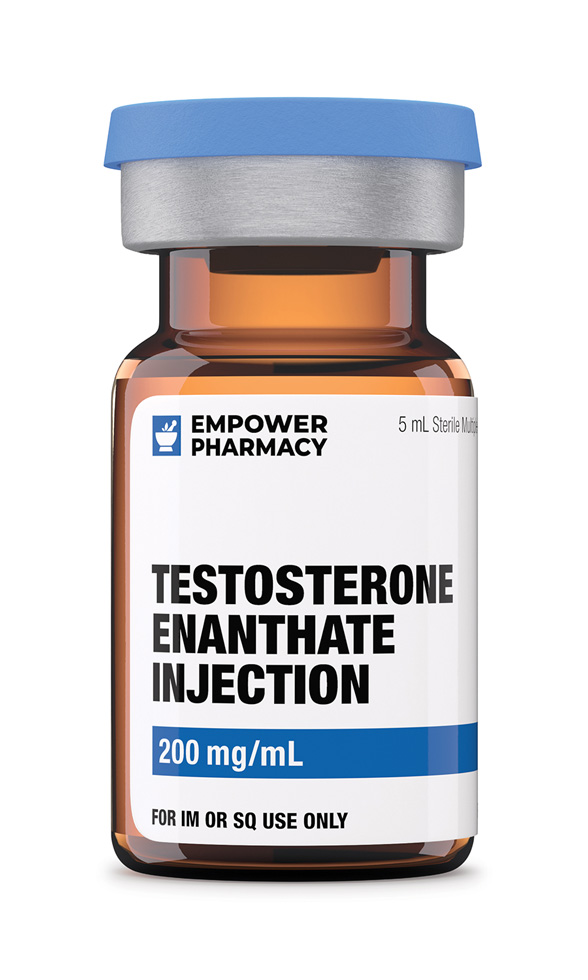
- Don’t stop without a plan. Stopping suddenly is not dangerous in the way stopping a corticosteroid such as prednisone can be, but the drop in testosterone can bring a sharp dip in mood, energy and sex drive.
- Talk to your doctor first. The doctor who prescribes your TRT can help you plan the timing, the follow-up blood tests and any medicines to support recovery.
- Expect a dip before recovery. When you stop, testosterone usually falls below your pre-TRT level for a while, because your natural production has been switched off. Low libido, anxiety, mood changes and irritability are common during this phase.
- Your end point is your own baseline. TRT does not cure the cause of low testosterone. Once you recover, you will usually be back where you started, unless the cause, such as excess body weight, has changed.
Why You May Think About Stopping TRT
There are several common reasons men want to come off TRT. Each one changes what the best plan looks like, so it is worth weighing the pros and cons of TRT for your own situation.
Feeling Well
You have been on TRT for a while and feel back to normal. Your symptoms are under control and your sexual function has improved, so it seems the treatment has done its job.
In most cases, though, you feel well because you are on TRT. Once you stop, the symptoms tend to return gradually as your levels fall, and the dip can be deeper than what you had before treatment. Talk to your doctor before deciding; changing the dose or the type of testosterone may be a better option than stopping.
Costs
Blood tests, regular doctor visits and the medicine itself add up. Costs vary widely by country, insurance and formulation: generic testosterone injections are usually the cheapest option, while branded gels, pellets and clinic subscriptions cost much more. If cost is the main reason, ask your doctor whether a cheaper formulation would work for you before you stop.
Side Effects
Side effects are a common and valid reason to reconsider TRT. The main ones are:
Prostate
TRT can raise PSA slightly and increase prostate volume. Testosterone can stimulate the growth of locally advanced or metastatic prostate cancer, which is why TRT is not used in men with active prostate cancer. In men without prostate cancer, the large TRAVERSE trial found that high-grade prostate cancer was rare and no more common with testosterone than with placebo.
Erythrocytosis
A rise in red blood cells (hematocrit) is one of the most common adverse effects of TRT, particularly with testosterone ester injections and in older men. Guidelines advise lowering the dose or pausing treatment if hematocrit rises above 54%. Hematocrit usually comes back down once the dose is reduced or TRT is stopped.
Venous Thromboembolism (Blood Clots)
The link between TRT and erythrocytosis, and a report of a higher risk of venous blood clots in men on TRT, especially those with an inherited clotting disorder (thrombophilia), led the FDA to require a general warning about venous blood clots on testosterone products. A careful personal and family history of blood clots matters before starting TRT, and new leg swelling, chest pain or shortness of breath on TRT needs urgent medical attention.
Cardiovascular Disease
Data on heart safety were conflicting for years. Observational data linked injectable testosterone to a higher risk of heart attack and stroke than testosterone gel, but not to more venous blood clots.
The clearest answer so far comes from the TRAVERSE trial, published in 2023. It randomized 5,246 men aged 45 to 80 with low testosterone and existing heart disease, or a high risk of it, to testosterone gel or placebo. Testosterone did not increase major cardiac events (heart attack, stroke or cardiovascular death). Atrial fibrillation, pulmonary embolism and acute kidney injury were more common in the testosterone group.
Testosterone is still avoided in men with severe or uncontrolled heart failure, because fluid retention can make the condition worse.
Fertility
TRT lowers sperm production, often to very low levels. Both the Endocrine Society and the AUA advise against testosterone therapy in men who are trying to conceive or plan to soon.
The reason is simple. Testosterone from outside the body suppresses LH and FSH, the pituitary hormones that drive the testes. Without LH, testosterone levels inside the testes, which need to be far higher than in the blood for sperm production, fall sharply. Men starting TRT should be told about this effect and asked whether they want children.
If you want children, this is one of the best reasons to plan a stop with your doctor, and one of the situations where a structured restart protocol is clearly useful.
What Should You Expect When You Stop TRT?
The common answer, “back to your baseline”, is only half the story. Most men go through a period of suppression first, then a gradual recovery.
Post-TRT Suppression: Why Levels Often Drop Below Baseline
While you are on TRT, your hypothalamus and pituitary sense plenty of testosterone and cut LH and FSH output to very low levels. Without that signal, your testes make very little testosterone of their own and may shrink.
When you stop, the testosterone you were taking wears off well before that signalling returns. For a while you have neither: the outside testosterone is gone and your own production has not restarted. This is why testosterone often falls below the level you had before TRT, sometimes well into the hypogonadal range, for weeks to months.
During this phase the old symptoms usually come back, and they can feel worse than before treatment: low libido, erection problems, fatigue, low mood, anxiety and irritability. Knowing it is a phase, not the new normal, helps.
| Phase | Typical timing | What is happening |
|---|---|---|
| Last dose wears off | Days for gels; about 1-3 weeks for cypionate or enanthate injections; months for pellets | Blood testosterone falls as the last dose clears. |
| The trough | The first weeks to months after that | LH and FSH are still low. Testosterone is often below your pre-TRT baseline and symptoms return. |
| Recovery | Usually several months; longer after long-term use | LH and FSH rise again and the testes restart. Testosterone climbs back toward your own baseline. Sperm production lags behind. |
| New baseline | Up to a year or two | Most men with a healthy hormone axis end up close to their pre-TRT level. Some, especially after years of use, do not fully recover. |
These are general patterns, not a schedule. Individual timing varies widely, which is why follow-up blood tests matter more than any calendar.
Stopping After Weeks, Months or Years
The longer and harder the hormone axis has been suppressed, the longer it tends to take to recover.
- After a few weeks: suppression is short and recovery is usually quickest, but you can still expect a dip while LH and FSH come back.
- After months: a recovery period of several months is common. Follow-up blood tests show whether LH, FSH and testosterone are climbing.
- After years: recovery is slower and less predictable. It can take many months, sometimes more than a year, and some men do not get back to their pre-TRT level. Age matters too: natural production at 55 is usually lower than it was at 35.
Fertility research gives a useful benchmark. In a pooled analysis of male hormonal contraception trials, in which healthy men took testosterone-based regimens to suppress sperm production, sperm counts recovered in about two-thirds of men within 6 months, about 90% within 12 months and essentially all within 24 months after stopping. Men on TRT are often older and treated for longer, so their recovery can be slower.
Primary vs. Secondary Hypogonadism
Why your testosterone was low in the first place shapes what recovery looks like:
- Primary hypogonadism (testicular failure): the testes cannot respond properly, so there is little to restart. After stopping TRT, testosterone falls back to the low level you had before, and SERMs or hCG usually do little.
- Secondary hypogonadism (hypothalamus or pituitary): the testes work but are not getting enough signal. Depending on the cause, SERMs or hCG may raise testosterone, and functional causes such as obesity, poor sleep or certain medications may improve when they are treated.
How Do You Stop TRT?
If you are considering ending TRT, the steps are straightforward:
- Book an appointment with the doctor who prescribes your TRT.
- Be upfront about your reasons, whether it is side effects, cost, fertility or wanting to know where you stand without treatment. The reason changes the plan.
- Get blood tests before you stop: total testosterone, LH, FSH, estradiol and hematocrit, plus a semen analysis if fertility matters.
- Agree on the approach: stop and monitor, taper the dose, or stop with a restart protocol (hCG and/or a SERM).
- Book follow-up tests at regular intervals over the following months, so you and your doctor can see whether your own production is coming back.
Tapering the dose can soften the drop in how you feel, but any meaningful dose of testosterone still suppresses LH and FSH. Tapering alone does not restart natural production; it mainly spreads the transition out.
Alternatives and Restart Options After Stopping TRT
Depending on why you are stopping, there are several options to discuss with your doctor. They range from lifestyle changes that support your own testosterone production to medicines that restart the signal from the pituitary or stand in for it.
Lifestyle Changes
Stress Control
Chronic stress is associated with lower testosterone. You cannot remove stress from your life completely, but you can lower it. Meditation, yoga, music or reading all work for some people; do whatever genuinely relaxes you.
Exercise
In one study, serum testosterone, glycated hemoglobin (HbA1c), fasting glucose, HDL cholesterol, triglycerides and waist circumference all improved significantly after 52 weeks of supervised diet and exercise without testosterone treatment.

Epidemiological evidence links frequent vigorous exercise to a 30% lower risk of erectile dysfunction. In the same body of research, moderate physical activity was linked to about a two-thirds lower risk of erectile dysfunction, and high physical activity to a reduction of more than 80%.
In obese men, testosterone levels rose significantly after a 12-week course of regular aerobic exercise and dietary changes. The researchers attributed this to lower insulin levels.
Quality Sleep
Most studies find that sleep quality is associated with symptoms of testosterone deficiency. Pastuszak and colleagues found a linear relationship between self-reported sleep quality and symptoms of testosterone deficiency, measured with the Androgen Deficiency in the Aging Male (ADAM) questionnaire.
Body Weight and Low Testosterone
Low testosterone can worsen body composition, and excess body fat in turn lowers testosterone. Both low testosterone and obesity are linked to a higher risk of major adverse cardiac events, and low testosterone has been associated with lower HDL cholesterol and higher LDL cholesterol, triglycerides and total cholesterol.
That is why the AUA recommends counseling men with testosterone deficiency to increase physical activity and keep their weight in a healthy range, both to ease symptoms and to raise testosterone.
The effect can be meaningful. In one study of 68 men on a weight-loss diet, participants lost an average of about 10 kg over 52 weeks and had significant increases in total and free testosterone (P<0.001 and P=0.002). Men with moderate to severe erectile dysfunction at the start also improved their erectile function scores on the International Index of Erectile Function (IIEF).
Rigon and colleagues followed 29 men with a mean starting weight of about 155 kg for 6 months after bariatric surgery. Mean BMI fell to 37.8 kg/m², and total testosterone rose from about 230 ng/dL to about 388 ng/dL (P<0.001).
Medical Restart Options
Clomiphene Citrate
Clomiphene citrate (Clomid) is a selective estrogen receptor modulator (SERM). It has been used to treat infertility for over 50 years. It is approved for women; in men, doctors prescribe it off-label.
It blocks estrogen receptors in the hypothalamus and pituitary. The brain reads this as low estrogen and releases more gonadotropin-releasing hormone, LH and FSH, which drives the testes to make more testosterone and sperm.
In one study, clomiphene achieved testosterone levels comparable to testosterone gel. Another found that it significantly raised testosterone without changing PSA or hematocrit. It is cheaper than many TRT options and, unlike TRT, supports fertility rather than suppressing it. Tamoxifen, another SERM, is used in a similar way in some recovery protocols.
Enclomiphene
Clomiphene is a mix of two isomers: enclomiphene, the anti-estrogenic isomer that drives the rise in LH and FSH, and zuclomiphene, which is weakly estrogenic and stays in the body much longer. Enclomiphene is the first isomer on its own.
In clinical trials in men with secondary hypogonadism, enclomiphene at 12.5 to 25 mg daily raised testosterone, LH and FSH while preserving sperm counts, whereas testosterone gel lowered them. Enclomiphene is not FDA-approved, so these are doses used in studies, not a recommendation. Our enclomiphene vs TRT comparison covers the differences in more detail.
 SERMs & AIs
Overview
- Form: Oral capsules (25 mg each, 60 capsules)
- Researched Dosage: 25 mg to 50 mg daily for PCT
- Typical Cycle: 4-6 weeks
- Cost: $69.95
- Stacking Options: Tamoxifen, HCG, Enclomiphene
Pros
- A SERM that blocks estrogen at the hypothalamus, prompting the body to make more LH, FSH and its own testosterone.
- Studies in men with low testosterone found it raised testosterone while preserving sperm production, unlike TRT.
- It is oral, inexpensive and has been in medical use since 1967, so its effects are well documented.
Cons
- About a third of each dose is zuclomiphene, a long-lasting isomer linked to mood swings, irritability and low mood.
- Blurred vision, floaters and light sensitivity have been reported; visual symptoms are a reason to stop.
- It is FDA-approved only for female infertility, so use in men is off-label, and this product is sold for research use only.
Human Chorionic Gonadotropin (hCG)
hCG acts like LH. It stimulates the testes directly, raising testosterone production inside the testes and supporting sperm production.
In the US, hCG is FDA-approved for selected men with hypogonadotropic (secondary) hypogonadism, and it is used to induce sperm production in these men. It is also effective in helping sperm production recover in men who have been on TRT.
Doses reported in studies vary widely, from 500 IU every other day, used to preserve sperm production alongside TRT, to 1,000-3,000 IU two or three times a week in recovery and fertility protocols. These are commonly reported doses, not advice. If you want to stay on TRT and protect fertility, see how to increase sperm count while on TRT.
One limit: hCG does not restart your own LH; it stands in for it. When hCG is stopped, testosterone can drop again unless the pituitary has recovered, which is why some protocols combine it with a SERM or follow it with one.
Restart Timelines at a Glance
There is no single standard restart protocol, and approaches differ between clinics. The table summarizes how each option works and the timelines commonly reported.
| Option | How it works | Commonly reported timeline |
|---|---|---|
| No medication | The hormone axis restarts on its own | Several months; longer after years of use |
| hCG | Stands in for LH and stimulates the testes directly | Testosterone rises within days; sperm counts take at least about 3 months to improve |
| Clomiphene | SERM; raises LH and FSH from the pituitary | Testosterone rises within weeks if the pituitary responds; follow-up labs commonly after 1-2 months |
| Enclomiphene | Same mechanism as clomiphene, without zuclomiphene | Testosterone rose within weeks in trials; not FDA-approved |
| Tamoxifen | SERM used in some recovery protocols | Similar to clomiphene; off-label in men |
| hCG plus a SERM | hCG supports the testes while the SERM restores pituitary signaling | Courses of several months are common, adjusted to blood tests and semen analysis |
One cycle of sperm production takes about two and a half months, so changes in a semen analysis lag behind changes in blood testosterone. If fertility is the goal, plan for a timeline measured in months, not weeks.
The Bottom Line
You can stop TRT safely, but plan for a dip: testosterone often falls below your old baseline for weeks to months before your own production returns.
- Talk to your prescriber first, get blood tests before you stop and schedule follow-up tests so you can see recovery happen.
- Recovery is slower after long or high-dose use and in older men, and there is little to restart in primary hypogonadism.
- hCG, clomiphene and enclomiphene can help restart production or protect fertility, while weight loss, exercise and sleep support whatever natural production you have.
Frequently Asked Questions
Disclaimer
Please read carefully
The information on this site is for educational and informational purposes only, and is not medical advice. Always consult a qualified healthcare professional before using any supplement or medication, or making changes to your health, fitness, or nutrition routine.
Not medical advice
Content here is not a substitute for professional medical advice.
Consult your doctor
Talk to your doctor before starting any supplement or new routine.
Use at your own risk
We are not responsible for adverse effects from acting on this.
Do your research
Make informed decisions about your own health.
No guarantees
Individual results vary. No claims about outcomes.
Important — Never disregard professional medical advice or delay seeking it because of something you read here. If you think you may have a medical emergency, call your doctor or your local emergency number right away.