
Contents12 sections
CrossFit asks for a lot at once: heavy Olympic lifts, gymnastics and conditioning pieces that leave you on the floor, often in the same session. When your training and diet are already in place, a few well-chosen supplements can help you recover between sessions and get a little more out of the hardest parts of a WOD.
Much of what is sold to CrossFit athletes has little evidence behind it. This guide covers 11 supplements, what the research shows for each, the doses used in studies, and where Enhanced Labs has a matching product. Start with the best-supported ones (creatine, protein, caffeine and beta-alanine) and add the rest only if they meet a specific need.
Key Takeaways
- Creatine monohydrate (3-5 g a day) has the strongest evidence of any supplement here for strength, power and repeated high-intensity work.
- Protein comes first: about 1.4-2.0 g per kg of body weight a day matters more than any single product. Whey and EAAs are convenient ways to get there.
- Beta-alanine (4-6 g a day for at least 2-4 weeks) helps most in hard efforts of about 1-4 minutes by buffering muscle acidity. The burn is not caused by lactic acid.
- Caffeine is what drives most pre-workouts. Citrulline and mushroom blends such as PeakO2 have smaller or less certain effects.
- Glutamine, curcumin and joint formulas are optional extras with modest or mixed evidence. If you are drug tested, use third-party certified products.
The Top Supplements for CrossFit Athletes
Here are the 11 supplements covered below, grouped by what they are meant to do, with a one-line summary of the evidence.
| Goal | Supplement | What the evidence shows |
|---|---|---|
| Protein and amino acids | 1. Essential amino acids (EAAs) | Useful when protein intake falls short |
| Protein and amino acids | 2. Whey protein | Strong, as a way to meet daily protein needs |
| Energy and endurance | 3. Beta-alanine | Good for hard efforts of about 1-4 minutes |
| Energy and endurance | 4. Citrulline | Small, inconsistent gains in reps |
| Energy and endurance | 5. Cordyceps and PeakO2 blends | Limited and early |
| Strength and power | 6. Creatine monohydrate | Strong |
| Strength and power | 7. Stimulant pre-workout (caffeine) | Strong for caffeine itself |
| Strength and power | 8. Stim-free pump pre-workout | Depends on the label; citrulline evidence is modest |
| Recovery | 9. Glutamine | Weak for healthy, well-fed athletes |
| Recovery | 10. Curcumin (turmeric) | Modest reduction in soreness |
| Joint support | 11. Collagen, glucosamine and joint formulas | Mixed; best for activity-related joint pain |
Protein and Amino Acids for Athletic Performance
Protein is the base of any CrossFit stack. The International Society of Sports Nutrition recommends 1.4-2.0 g of protein per kg of body weight a day for people who train hard, spread across meals of roughly 20-40 g. Protein supplements are simply a convenient way to reach that number.
1. Essential Amino Acids (EAAs)
Your body cannot make the nine essential amino acids, so they have to come from food or supplements. Branched-chain amino acids (BCAAs: leucine, isoleucine and valine) are three of them, and they were heavily marketed for years. Research now points the other way: building new muscle protein needs all nine EAAs, so BCAAs on their own can only produce a limited response.
The difference is real but often overstated. In one study, 5.6 g of BCAAs after resistance training raised muscle protein synthesis about 22% more than a placebo, roughly half the response seen in earlier studies with a whey dose containing a similar amount of BCAAs. There is no good evidence that EAAs triple protein synthesis compared with BCAAs, and if you already eat enough protein, extra EAAs add little. Where they help is convenience: a light drink during long sessions, fasted morning training, or days when a protein meal is not practical.
Enhanced Labs option: Enhanced EAA contains all nine essential amino acids. The brand lists 14 g of amino acids with a 2:1:1 BCAA ratio.
2. Whey Protein
Whey protein is a staple for many CrossFit athletes, and for good reason. It is a complete protein that is digested quickly and is rich in leucine, the amino acid that most strongly switches on muscle protein synthesis. A 20-40 g serving after training, or whenever a meal falls short, is the simplest way to reach your daily target.
The type matters more than the marketing. Whey concentrate contains some lactose and fat. Whey isolate is filtered further, so it has very little lactose and is usually easier on people who bloat with dairy. Claims that one whey reaches your bloodstream “in minutes instead of hours” are not supported: all whey is a fast protein, and the differences between well-made products are small. If dairy does not agree with you at all, a beef or egg-based protein is an alternative.
Enhanced Labs option: iO Premium Whey is the brand’s whey protein. Check the label for protein per scoop, and whether it is isolate or concentrate if you are sensitive to lactose. Primal Protein is the brand’s dairy-free option, made from beef and egg white protein.
Energy and Endurance Supplements for CrossFit Athletes

That burn during a Tabata or a long set of wall balls is usually blamed on lactic acid. It is not the cause. At the body’s pH, what builds up in working muscle is lactate, and lactate is actually a fuel that muscle and the heart use for energy. The burn and the drop in power during hard 1-4 minute efforts are linked to a build-up of hydrogen ions (rising acidity) and other by-products of fast energy use. Lactate does not cause next-day soreness either.
The supplements below work on that acidity, on blood flow, or on how well you tolerate high-intensity work.
3. Beta-Alanine
Beta-alanine raises the level of carnosine in muscle, and carnosine buffers the hydrogen ions that build up during intense exercise. Reviews of the research find that it improves high-intensity performance, with the clearest benefit in efforts lasting about 1 to 4 minutes, which describes a lot of CrossFit conditioning. The effect is modest: a few extra reps or seconds, not a new engine.
Doses used in studies are 4-6 g a day, taken for at least 2-4 weeks. Carnosine builds up over time, so timing does not matter much; daily consistency does. The harmless tingling (paresthesia) some people feel can be reduced by splitting the dose into smaller servings or taking it with meals.
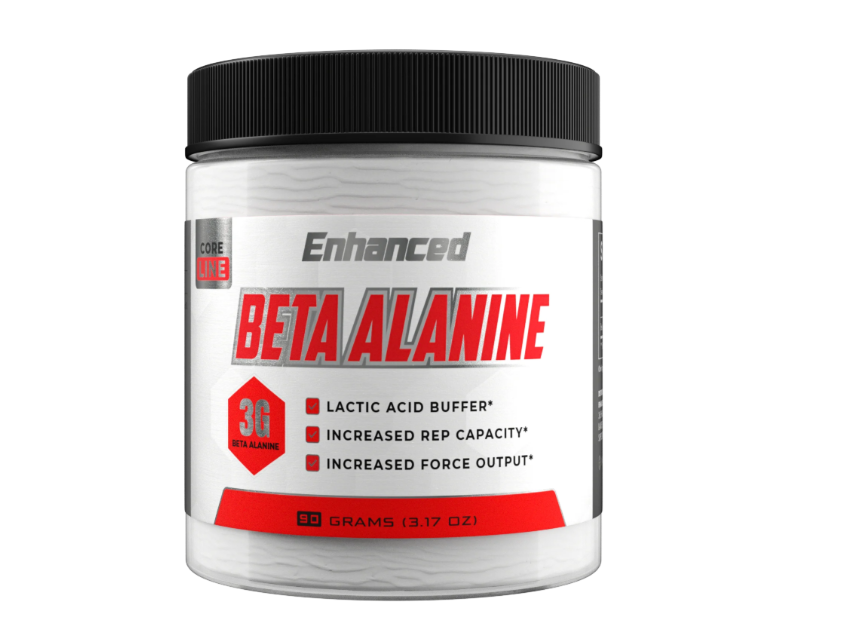
Enhanced Labs option: Enhanced Beta Alanine is a single-ingredient powder. Check the serving size so your daily total lands in the studied 4-6 g range.
4. Citrulline
Citrulline is converted to arginine in the body, and it raises blood arginine more effectively than arginine supplements do. More arginine supports nitric oxide production, which widens blood vessels and increases blood flow to working muscle. That is the “pump”.
In a widely cited study, men who took 8 g of citrulline malate an hour before training did significantly more bench-press reps to failure across repeated sets than on a placebo (up to about 53% more in the later sets) and reported less soreness afterwards. Later trials have found smaller and less consistent effects, so expect a small edge at best. Our guide to citrulline malate covers the research in more detail.
Doses used in studies are about 6-8 g of citrulline malate or 3-6 g of L-citrulline, taken about an hour before training. Check your pre-workout first, because many already contain a full dose.
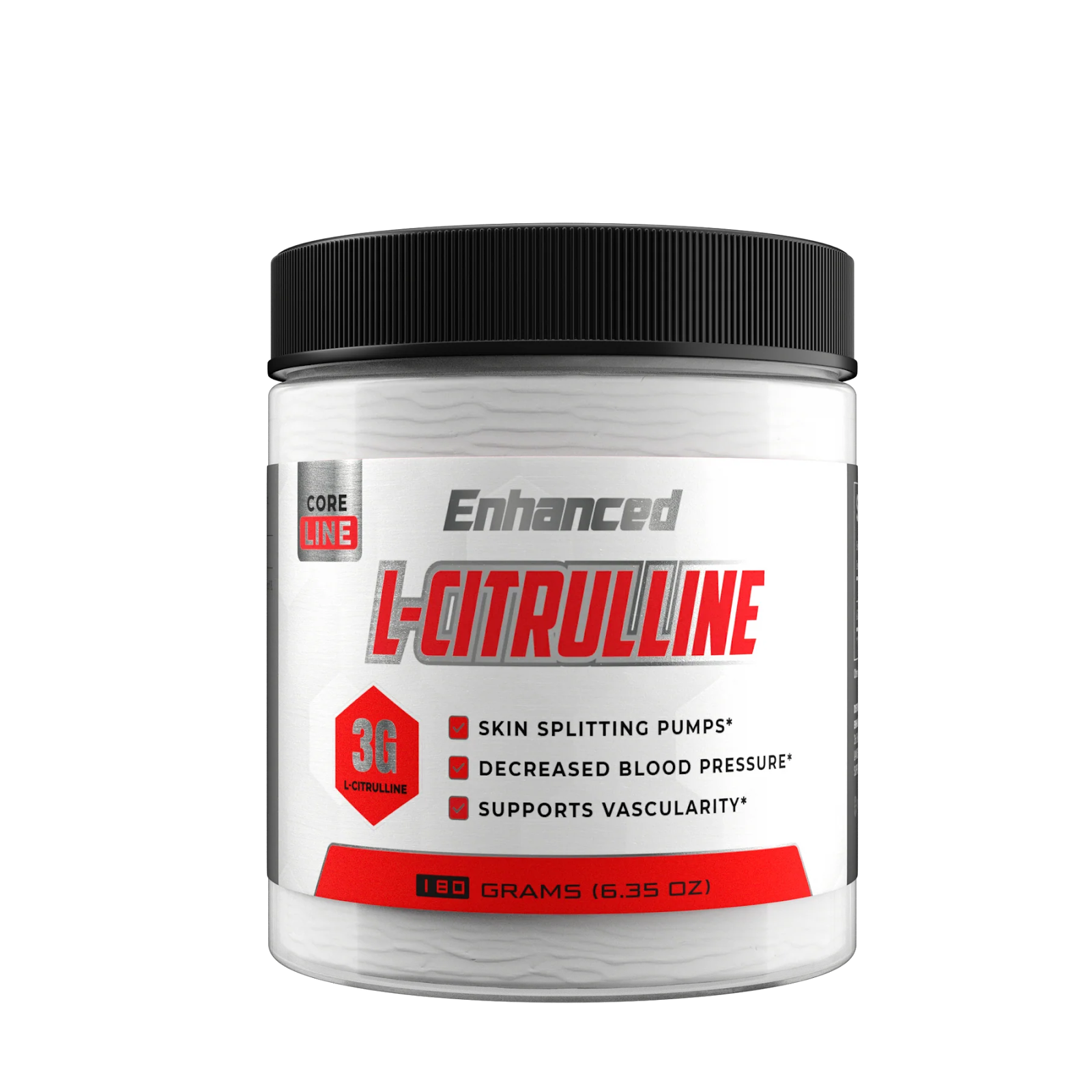
Enhanced Labs option: Enhanced L-Citrulline is plain L-citrulline. Skip it on days you use Maximus Pump, which already lists 8 g of L-citrulline.
5. Cordyceps and PeakO2 Mushroom Blends
PeakO2 is a branded blend of organic mushrooms that includes Cordyceps militaris, marketed to improve oxygen use and endurance. The evidence is limited to a few small trials with mixed results: some found modest improvements in tolerance to high-intensity exercise after several weeks of daily use, while short-term use showed little effect. It is not a substitute for altitude training, and it belongs at the bottom of your priority list.
Enhanced Labs option: PeakO2 is one of the ingredients in Enhanced Labs’ Maximus Pump and Maximus Stim pre-workouts rather than a stand-alone product.
Strength and Power Supplements for CrossFit Athletes

6. Creatine Monohydrate
Creatine has the strongest evidence of any supplement on this list. Hundreds of studies support creatine supplementation, and the International Society of Sports Nutrition calls creatine monohydrate the most effective nutritional supplement available for increasing high-intensity exercise capacity and lean body mass during training.
Creatine raises the store of phosphocreatine in muscle, which regenerates ATP during short, explosive efforts. In practice that means a little more power and a few more good reps in heavy lifts, sprints and repeated bursts and, over weeks of training, larger gains in strength and lean mass than training alone. It will not make every WOD easier; the benefit is greatest in short, repeated high-intensity work.
The dose used in studies is 3-5 g a day, every day. An optional loading phase of about 20 g a day, split into four doses, for 5-7 days fills muscle stores faster. Expect about 1-2 kg of weight gain early on, mostly water stored inside the muscle. In healthy people, creatine has not been shown to harm the kidneys; anyone with kidney disease should talk to a doctor first. Monohydrate is the form with the evidence behind it.
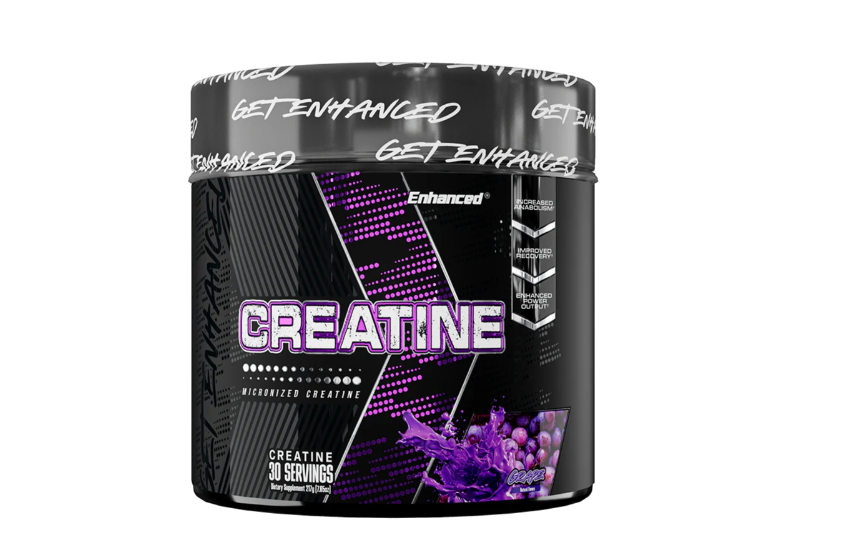
Enhanced Labs option: Enhanced Creatine Monohydrate comes in unflavored and flavored versions. Any pure creatine monohydrate taken at 3-5 g a day does the job.
7. Stimulant Pre-Workout (Caffeine)
Most of the effect of a stimulant pre-workout comes from caffeine, one of the best-studied performance aids there is. Caffeine lowers perceived effort and fatigue and can improve strength, power and endurance. Doses used in studies are about 3-6 mg per kg of body weight (roughly 225-450 mg for a 75 kg athlete), taken 30-60 minutes before training.
Other common pre-workout ingredients, such as tyrosine and choline sources, have weaker evidence and may be underdosed in blends, so read the label. Keep your total caffeine from all sources under 400 mg a day, the amount the FDA says is generally not linked to harmful effects in healthy adults, and avoid stimulants within about six hours of bedtime.
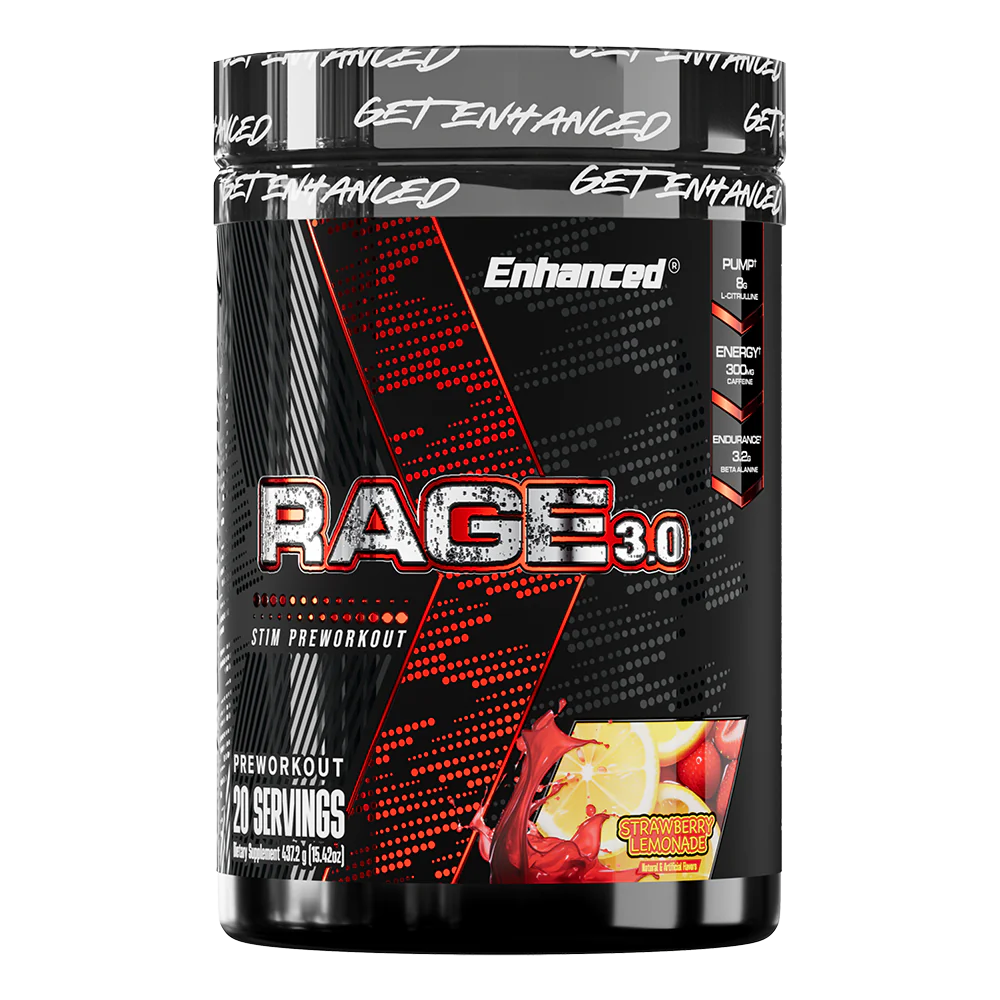
Enhanced Labs option: Rage 3.0 is Enhanced Labs’ stimulant pre-workout. Maximus Stim is the higher-stimulant option and lists 302 mg of caffeine. Check the caffeine per scoop of whichever you use and count it toward your daily total.
8. Stim-Free Pump Pre-Workout
A stimulant-free pre-workout suits evening sessions, caffeine-sensitive athletes, or days when you would rather keep your coffee separate. Its benefit depends entirely on the ingredients and doses, so judge it by the label rather than the name.
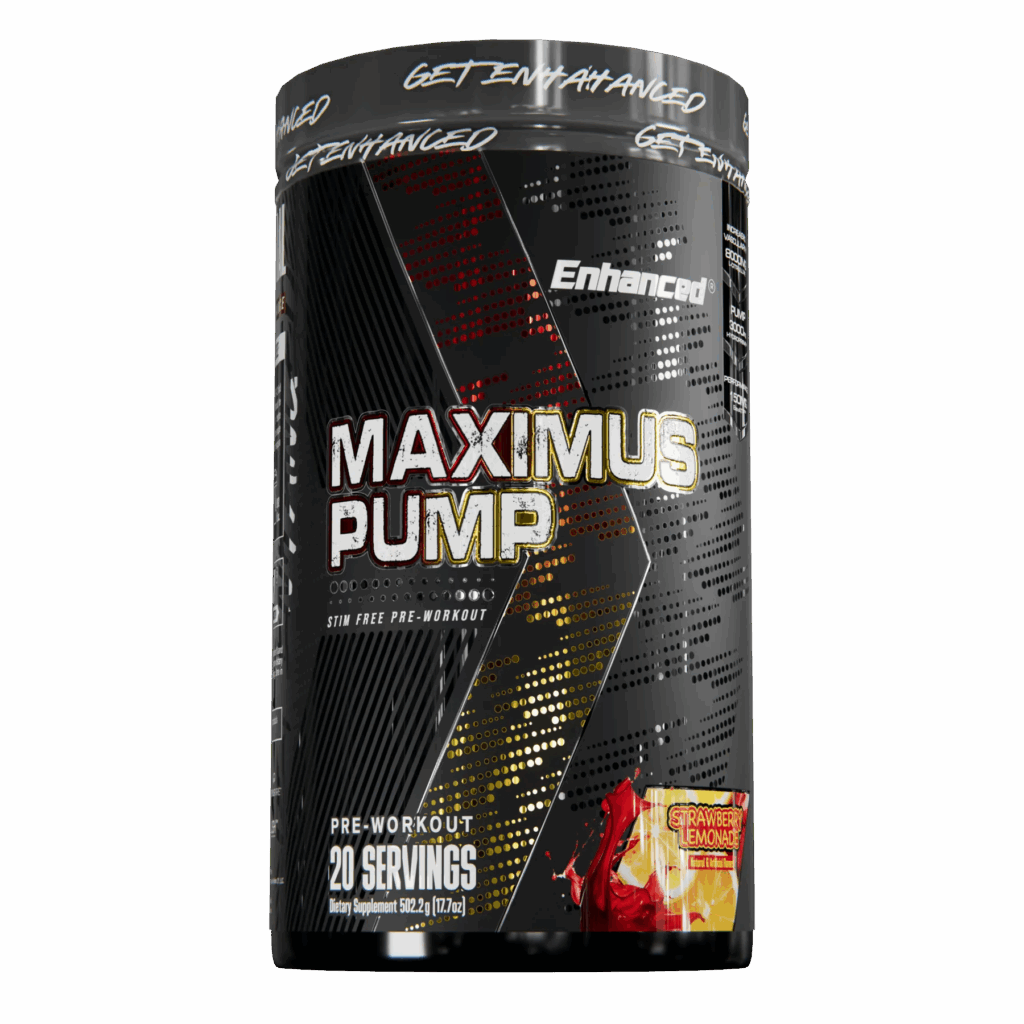
Enhanced Labs option: Maximus Pump is caffeine-free. The brand lists 8 g of L-citrulline, 3 g of HydroPrime glycerol, Nitrosigine (an arginine silicate complex) and PeakO2 among more than 17 ingredients. Glycerol helps the body hold more water, which is why it is used for hydration and fuller-looking muscles. Do not add a separate citrulline product on the same day; the dose is already covered.
Recovery and Injury Prevention
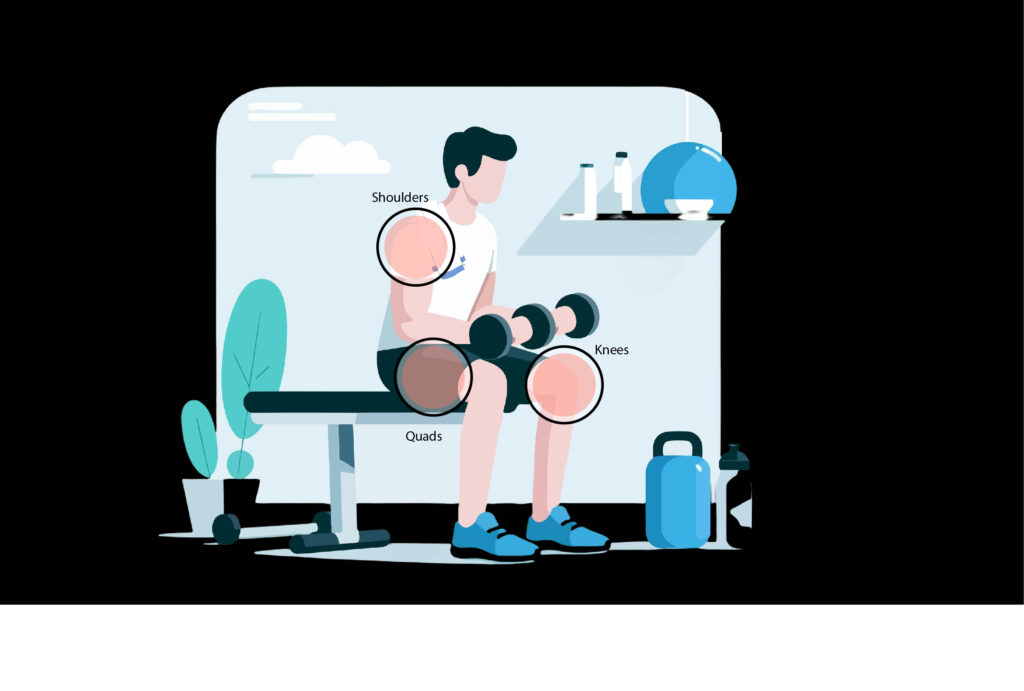
Recovery is where most athletes leave the most on the table, and supplements are a small part of it. Sleep, enough total calories and carbohydrate, and sensible programming matter far more. With those in place, the three options below are reasonable extras.
9. Glutamine
Glutamine is the most abundant amino acid in the body. It is not an essential amino acid: the body makes its own, although needs can rise during severe illness or injury, so it is called conditionally essential. It is a key fuel for immune cells and gut cells (not the main fuel for muscle, as is often claimed), and blood levels can dip after long, very hard exercise.
Research in athletes is underwhelming. Overall, studies find little benefit for performance or body composition in healthy athletes who eat enough protein. A few small trials suggest it may ease soreness and speed strength recovery after muscle-damaging exercise; one study of eccentric leg exercise used 0.3 g per kg of body weight a day. It is generally well tolerated, but it is a low priority.
10. Curcumin (Turmeric)
Curcumin, the active compound in turmeric, has anti-inflammatory effects. Research suggests curcumin supplements can modestly reduce muscle soreness and markers of muscle damage after hard exercise.
Plain curcumin is poorly absorbed and cleared quickly, so many studies use enhanced formulations, with piperine, phospholipids or lipid-based delivery systems such as Longvida. These raise blood levels considerably, but the “times more bioavailable” figures on labels come from manufacturers’ own comparisons and cannot be compared across brands. Doses vary widely between formulations, so follow the label.
Curcumin can add to the effect of blood thinners, and rare cases of liver injury have been reported with turmeric supplements, including high-absorption products. Check with a doctor if you take medication or have liver problems.
11. Joint Support Supplements for CrossFit Athletes
CrossFit is hard on the body. Repeated Olympic lifts, kipping gymnastics and high-impact movements put a lot of stress on shoulders, knees, wrists and the lower back. There is no good evidence that joint supplements regenerate cartilage, and none of them will fix poor technique or too much volume, but some may ease activity-related joint discomfort.
The evidence is mixed. Glucosamine and chondroitin have mainly been studied in knee osteoarthritis, with inconsistent results. Collagen peptides have a little more support in active people: in some studies, around 10 g a day for several months reduced activity-related joint pain in athletes. MSM has only small studies behind it. Glucosamine is often made from shellfish, which matters if you have a shellfish allergy. For more options, see our guide to the best joint supplements.
Enhanced Labs option: Joint Guard is Enhanced Labs’ joint formula. Check its label against the doses used in studies before you buy.
Where to Buy the Best Supplements for CrossFit Athletes
Enhanced Labs, one of our partners, makes most of the supplements above. This table matches each one to the brand’s product. For glutamine and curcumin there is no Enhanced Labs version, so choose any third-party-tested product.
| Supplement | Enhanced Labs product | Good to know |
|---|---|---|
| Essential amino acids | Enhanced EAA | All nine EAAs; 14 g of amino acids listed, 2:1:1 BCAA ratio |
| Whey protein | iO Premium Whey | Check protein per scoop; Primal Protein is the dairy-free option |
| Beta-alanine | Beta Alanine | Single ingredient; aim for 4-6 g a day in total |
| Citrulline | L-Citrulline | Plain L-citrulline; skip it on Maximus Pump days |
| Creatine | Creatine Monohydrate | Unflavored and flavored versions |
| Stimulant pre-workout | Rage 3.0 or Maximus Stim | Check caffeine per scoop |
| Stim-free pre-workout | Maximus Pump | Caffeine-free; contains L-citrulline, glycerol and PeakO2 |
| PeakO2 mushroom blend | Inside Maximus Pump and Maximus Stim | No stand-alone version |
| Joint support | Joint Guard | Compare the label with studied doses |
| Glutamine, curcumin | No Enhanced Labs version | Choose a third-party-tested product |

Pros
- Catalog is specifically organized around muscle building, fat loss, testosterone support, and workout performance.
- Range includes creatine, protein, EAAs, beta-alanine, and L-citrulline alongside more specialized formulas.
- Orders of $99+ qualify for free US shipping.
Cons
- Features several strong claims around muscle growth, testosterone, fat loss, and metabolic effects that should be distinguished from independently demonstrated clinical outcomes
- Heavily oriented toward bodybuilding and performance rather than broader nutritional supplementation.
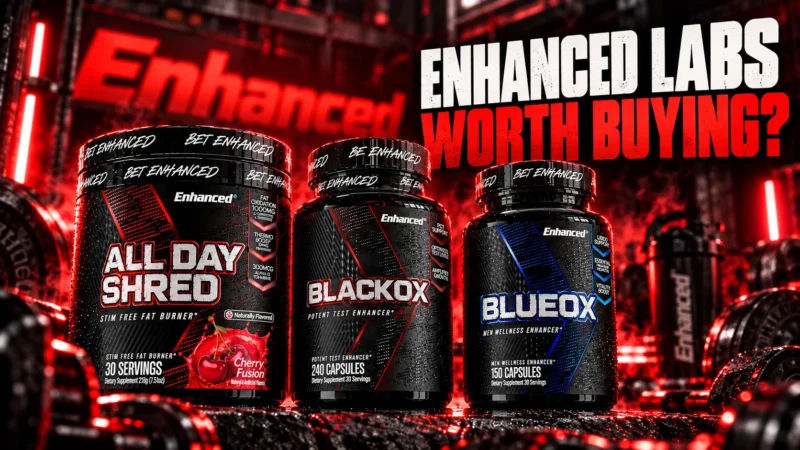
For more on the brand’s range, read our Enhanced Labs review.
Creating a Supplement Stack for CrossFit Athletes
No single supplement will transform your performance. A short, well-chosen stack on top of solid training, a balanced diet with enough protein and good sleep can add up. Build it in layers, and add one product at a time so you can tell what is working.
Foundation Stack
- Protein: enough from food each day, with whey (such as iO Premium Whey) to fill the gaps.
- Creatine monohydrate: 3-5 g every day, training day or not.
- EAAs (optional): during long sessions or fasted training, when a protein meal is not practical.
Performance Stack
- Pre-workout: Rage 3.0 or another caffeine-based option for daytime sessions; Maximus Pump for evenings or stim-free days.
- Beta-alanine: 4-6 g a day, split into smaller doses.
- Citrulline: 6-8 g of citrulline malate or 3-6 g of L-citrulline before training, unless your pre-workout already covers it.
Recovery Stack
- Curcumin: a high-absorption formula during hard training blocks if soreness is holding you back.
- Joint support: collagen peptides or a joint formula such as Joint Guard if your joints are the weak link.
- Glutamine: optional and low priority, given the evidence.
Safety and Efficacy of Supplements
Third-Party Testing and Drug Testing
In the US, dietary supplements are not approved by the FDA before they are sold, so quality depends on the brand. Look for products tested by an independent lab, and ask for a certificate of analysis. If you compete in a drug-tested event, choose products certified by NSF Certified for Sport or Informed Sport, because even legal supplements can be contaminated with banned substances.
Who Should Be Careful
- Caffeine: people with heart rhythm problems, high blood pressure, anxiety or poor sleep, and anyone who is pregnant.
- Curcumin and glucosamine: anyone taking blood thinners such as warfarin.
- Creatine: anyone with kidney disease.
- Any supplement: if you take prescription medication, check with your doctor or pharmacist first.
The Bottom Line
A smart CrossFit stack is short: creatine and enough protein first, then caffeine and beta-alanine for performance, and recovery extras only where they fill a real gap.
- Creatine monohydrate is the best-supported choice for strength, power and repeated high-intensity work.
- Beta-alanine and caffeine help in hard conditioning pieces; citrulline and PeakO2 have smaller, less certain effects.
- Glutamine, curcumin and joint formulas are optional; sleep, food and sensible programming do more for recovery.
- Read labels so you do not double up, and use third-party certified products if you compete in tested events.
Frequently Asked Questions
Disclaimer
Please read carefully
The information on this site is for educational and informational purposes only, and is not medical advice. Always consult a qualified healthcare professional before using any supplement or medication, or making changes to your health, fitness, or nutrition routine.
Not medical advice
Content here is not a substitute for professional medical advice.
Consult your doctor
Talk to your doctor before starting any supplement or new routine.
Use at your own risk
We are not responsible for adverse effects from acting on this.
Do your research
Make informed decisions about your own health.
No guarantees
Individual results vary. No claims about outcomes.
Important — Never disregard professional medical advice or delay seeking it because of something you read here. If you think you may have a medical emergency, call your doctor or your local emergency number right away.