
Contents14 sections
Tesofensine is an experimental weight-loss drug that blocks the reuptake of three brain chemicals: serotonin, noradrenaline and dopamine. In clinical trials it cut appetite and produced more weight loss than the obesity drugs available at the time, and it is now widely sold online as a research chemical.
The same mechanism explains most of its side effects. This guide covers what the trials actually reported (dry mouth, digestive problems, insomnia and a faster heart rate), which risks are only theoretical, who should avoid it, and how to lower the chance of problems.
Tesofensine is not an approved medicine anywhere in the US or Europe, so treat everything below as education, not a recommendation to use it.
Key Takeaways
- Tesofensine is an experimental triple reuptake inhibitor (serotonin, noradrenaline and dopamine). It is not approved by the FDA or the European Medicines Agency.
- The side effects reported most often in trials were dry mouth, nausea, constipation, hard stools, diarrhoea and insomnia, and they were more common at higher doses.
- It raises resting heart rate. In the main 24-week obesity trial blood pressure did not rise at 0.25 mg or 0.5 mg, but long-term heart safety has never been tested.
- Seizures, serotonin syndrome and stroke were not among the effects the trials reported. They are theoretical risks that small, short trials cannot rule out.
- Studies used 0.25-1.0 mg once daily. The 1.0 mg dose added little weight loss over 0.5 mg but brought more side effects, and the very long half-life means effects can linger after stopping.
What Is Tesofensine?
Tesofensine (development code NS2330) is a triple monoamine reuptake inhibitor, sometimes called an SNDRI. It slows the reabsorption of serotonin, noradrenaline (norepinephrine) and dopamine, so more of each stays active in the brain. These chemicals help regulate appetite, mood, alertness and energy use.
It was first developed by the Danish company NeuroSearch for Parkinson’s and Alzheimer’s disease. Those programmes were not continued because the benefit was too small, but patients in the trials lost weight, which led to its development as an obesity treatment. For the full compound profile, see our tesofensine compound page.
Is Tesofensine Approved?
No. Tesofensine is not approved by the US Food and Drug Administration (FDA) or the European Medicines Agency for weight loss or any other use. Its developer’s partner has run a late-stage programme in Mexico, but in the US and Europe it remains an investigational drug.
What you find online is sold as a research chemical, labelled “not for human consumption”. It is a drug, not a dietary supplement, and no regulator checks the purity or strength of these products. That matters for side effects: a capsule that contains more than its label states raises every risk described below.
How Tesofensine Works
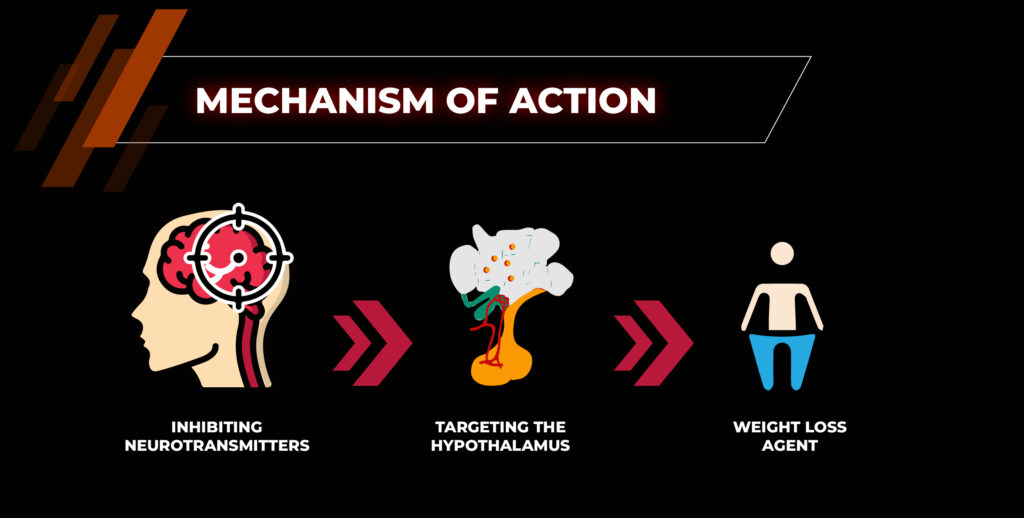
By blocking the reuptake of serotonin (5-HT), dopamine (DA) and noradrenaline (NE), tesofensine raises their levels in the synaptic cleft, the gap where nerve cells pass signals to each other. Its effect on appetite runs mainly through the hypothalamus, the brain’s hunger centre. In rat studies, its appetite-suppressing effect depended on noradrenaline and dopamine receptor pathways.
The same chemistry explains the side effects. More noradrenaline speeds up the heart and reduces saliva, more dopamine and noradrenaline can disturb sleep, and serotonin acts on the gut as well as the brain. Most tesofensine side effects are predictable extensions of how the drug works.
Tesofensine also has a very long half-life, roughly a week or more in pharmacokinetic studies. Levels build up slowly over weeks of daily dosing and fall slowly after the last dose, so side effects can appear late and can linger after stopping.
What the Clinical Trials Showed
The key obesity trial (TIPO-1) was a 24-week, randomised, double-blind, placebo-controlled study in 203 adults with obesity. Participants took 0.25 mg, 0.5 mg or 1.0 mg of tesofensine, or a placebo, once daily alongside a reduced-calorie diet.
The placebo group lost about 2% of body weight. Weight loss on the 0.5 mg and 1.0 mg doses was roughly 9-11 percentage points greater than placebo, which the authors described as about twice what the obesity drugs approved at the time achieved. The 1.0 mg dose added little over 0.5 mg but caused more side effects.
Later research has continued to study tesofensine for obesity. Still, the trials are short and relatively small. They show what happens to most people over months, not what happens to rare individuals or over years. For more on the weight-loss results, see our article on tesofensine for weight loss.
Tesofensine Side Effects Reported in Trials
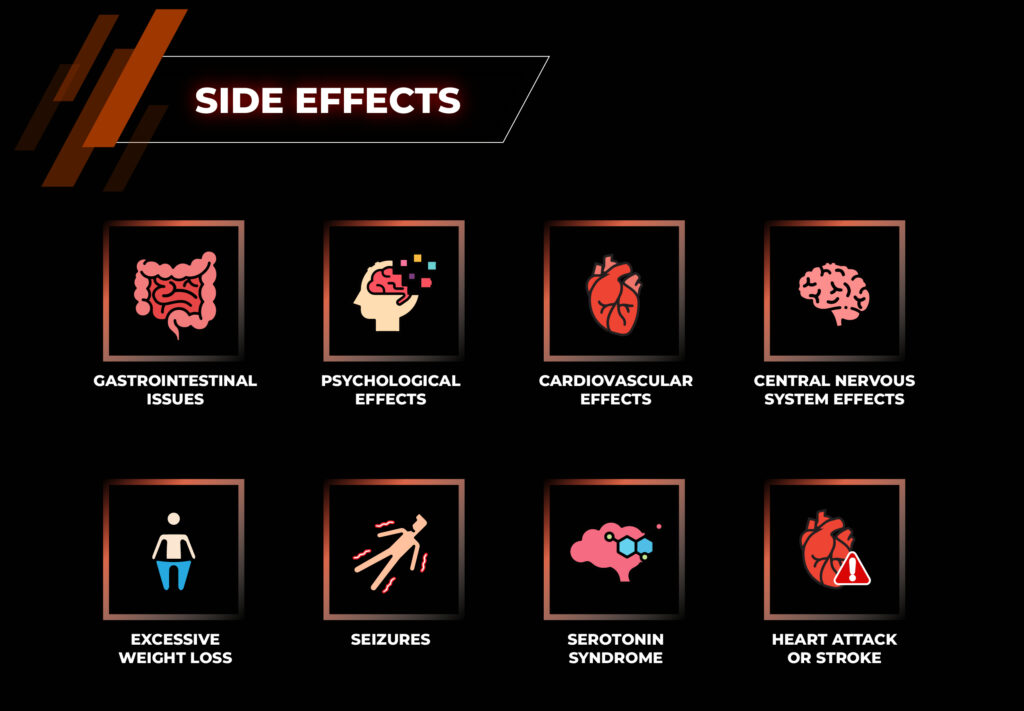
In the 24-week obesity trial, the most common adverse events caused by tesofensine were dry mouth, nausea, constipation, hard stools, diarrhoea and insomnia, and they were generally more common at higher doses. Resting heart rate also rose. The table sums up what the evidence shows and when a symptom needs medical attention.
| Side Effect | What the Evidence Shows | When to Get Help |
|---|---|---|
| Dry mouth | One of the most common trial effects | Mouth sores, dental pain or trouble swallowing |
| Nausea and diarrhoea | Common, more so at higher doses | Persistent vomiting or diarrhoea, signs of dehydration |
| Constipation and hard stools | Common in the trial | No bowel movement for several days, abdominal pain |
| Insomnia | Common in the trial | Ongoing sleep loss that affects mood or daily function |
| Faster heart rate | Rose by about 7 beats per minute at 0.5 mg | Palpitations, chest pain or a resting pulse that stays high |
| Blood pressure | No rise at 0.25 mg or 0.5 mg over 24 weeks | Any sustained rise on home readings |
| Mood changes | Possible from the mechanism; not well quantified in published trials | Anxiety, agitation, low mood or unusual thoughts |
Dry Mouth and Digestive Effects
Gastrointestinal effects are the most frequent complaints. Dry mouth comes from reduced saliva flow, a known effect of drugs that raise noradrenaline. Nausea, constipation, hard stools and diarrhoea also appeared in the trial, partly because serotonin acts on the gut as well as the brain.
Because tesofensine builds up slowly, these effects can start a few weeks in rather than on day one. Water, fibre and regular meals help with constipation, and sugar-free gum or lozenges help with dry mouth. Persistent vomiting, diarrhoea or abdominal pain need medical attention.
Insomnia and Restlessness
Insomnia was one of the common trial effects. Higher dopamine and noradrenaline increase alertness, which can make it harder to fall asleep or stay asleep. Restlessness, jitteriness and headaches are also commonly reported by users, especially when tesofensine is combined with caffeine or other stimulants.
Because of the long half-life, taking the dose earlier in the day helps less than it does with short-acting stimulants. Cutting back on caffeine, keeping a regular sleep schedule and not raising the dose are the practical levers.
Heart Rate and Blood Pressure
This is the side effect that matters most. Noradrenaline raises heart rate, and in the 24-week trial the 0.5 mg dose increased resting heart rate by about 7 beats per minute. Blood pressure did not rise at 0.25 mg or 0.5 mg in that trial.
That is reassuring in the short term, but it is not proof of long-term heart safety: no trial has measured heart attacks or strokes on tesofensine over years. The developer later paired tesofensine with metoprolol, a beta-blocker, in a combination called Tesomet, to blunt the rise in heart rate and blood pressure in patients with hypothalamic obesity.
The cautionary example is sibutramine, a serotonin-noradrenaline reuptake inhibitor for weight loss that was withdrawn from the US and European markets in 2010 after a large trial found more non-fatal heart attacks and strokes in people with existing cardiovascular disease. Anyone with heart disease, an arrhythmia or high blood pressure has the most to lose, and checking resting pulse and blood pressure before starting and regularly afterwards is the simplest safeguard.
Mood and Anxiety
Drugs that change serotonin, dopamine and noradrenaline levels can also change mood. Anxiety, irritability, agitation or low mood are possible, and the published obesity trials do not give a clear picture of how often they happen with tesofensine.
People with a history of depression, bipolar disorder, anxiety disorders or psychosis have very little safety data behind them and should not use tesofensine outside specialist care. New low mood, panic or unusual thoughts are a reason to stop and seek help.
Eating Too Little
Strong appetite suppression is the point of the drug, and tesofensine can produce large weight losses. The risk is eating too little protein and too few nutrients. Rapid weight loss on a very low intake costs muscle as well as fat and can cause fatigue, dizziness and gallstones.
Planning meals around protein and checking weight weekly keeps the loss at a pace the body can handle.
What About Seizures, Serotonin Syndrome and Stroke?
Lists of tesofensine side effects online often include seizures, serotonin syndrome and stroke. None of these is among the effects the published trials reported. They are theoretical risks, based on what related drugs can do:
- Serotonin syndrome: a dangerous excess of serotonin, mainly a risk when serotonergic drugs are combined. With tesofensine, the realistic risk comes from stacking it with antidepressants (SSRIs, SNRIs, MAO inhibitors), tramadol or other serotonergic substances.
- Seizures: some reuptake inhibitors, such as bupropion, lower the seizure threshold. Whether tesofensine does has not been shown, and there is no safety data in people with epilepsy.
- Heart attack and stroke: no trial has shown these with tesofensine. The concern is long-term exposure to a higher heart rate, and the sibutramine precedent.
The honest summary: these events were not seen in trials of a few hundred people over months, which is far too small and too short to rule out rare or long-term harm.
Who Should Avoid Tesofensine
These are the groups with the highest risk or the least safety data:
- People with heart disease, arrhythmias, high blood pressure or a previous stroke
- People with a history of depression, bipolar disorder, psychosis, anxiety disorders or eating disorders
- People with epilepsy or a history of seizures
- Anyone taking antidepressants, MAO inhibitors, ADHD stimulants or other weight-loss drugs
- Anyone who is pregnant, breastfeeding or trying to conceive
- Anyone under 18
How to Reduce the Risk of Tesofensine Side Effects
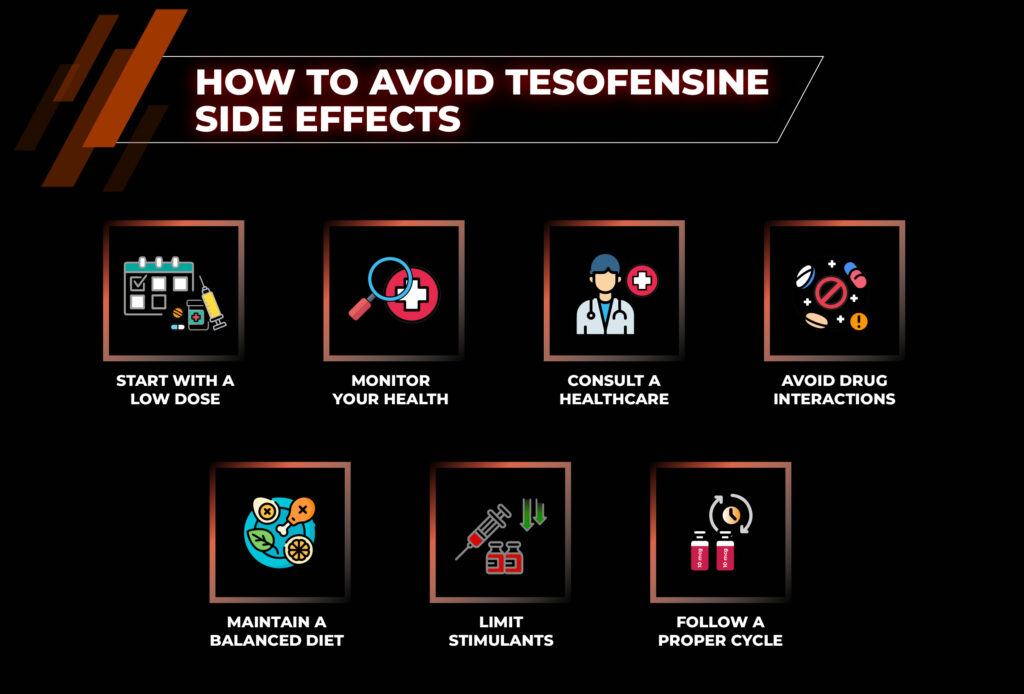
- Involve a doctor: A doctor can check your heart, blood pressure and current medicines first, and spot problems early. This is the single most useful step.
- Do not chase higher doses: In the main trial, 1.0 mg added little weight loss over 0.5 mg but brought more side effects. Commonly reported doses sit at the lower end of the studied range.
- Monitor heart rate and blood pressure: Check resting pulse and blood pressure before starting and at least weekly while using it. A sustained rise is a reason to stop.
- Avoid drug interactions: Do not combine tesofensine with SSRIs, SNRIs, MAO inhibitors, tramadol, ADHD stimulants or other weight-loss drugs.
- Limit stimulants: Caffeine, energy drinks, pre-workouts and fat burners add to the rise in heart rate and blood pressure and make insomnia worse.
- Eat enough and stay hydrated: Plan meals around protein, vegetables and fluids so that lower appetite does not turn into poor nutrition, constipation or a dry mouth.
- Allow for the long half-life: The effect of any dose change takes weeks to show, and side effects can continue for days after the last dose.
Doses Used in Studies
| Item | Details |
|---|---|
| Doses tested in the main obesity trial | 0.25 mg, 0.5 mg and 1.0 mg once daily |
| Trial length | 24 weeks |
| Highest dose (1.0 mg) | Little extra weight loss over 0.5 mg, more side effects |
| Commonly reported doses | 0.25-0.5 mg once daily |
| 8-12 week “cycles” | An online convention; not tested in trials |
| Long-term use | Not studied; long-term safety unknown |
These are the doses used in research and the doses people commonly report, not a recommendation. Tesofensine has no approved dose because it is not an approved medicine.
Benefits vs. Risks
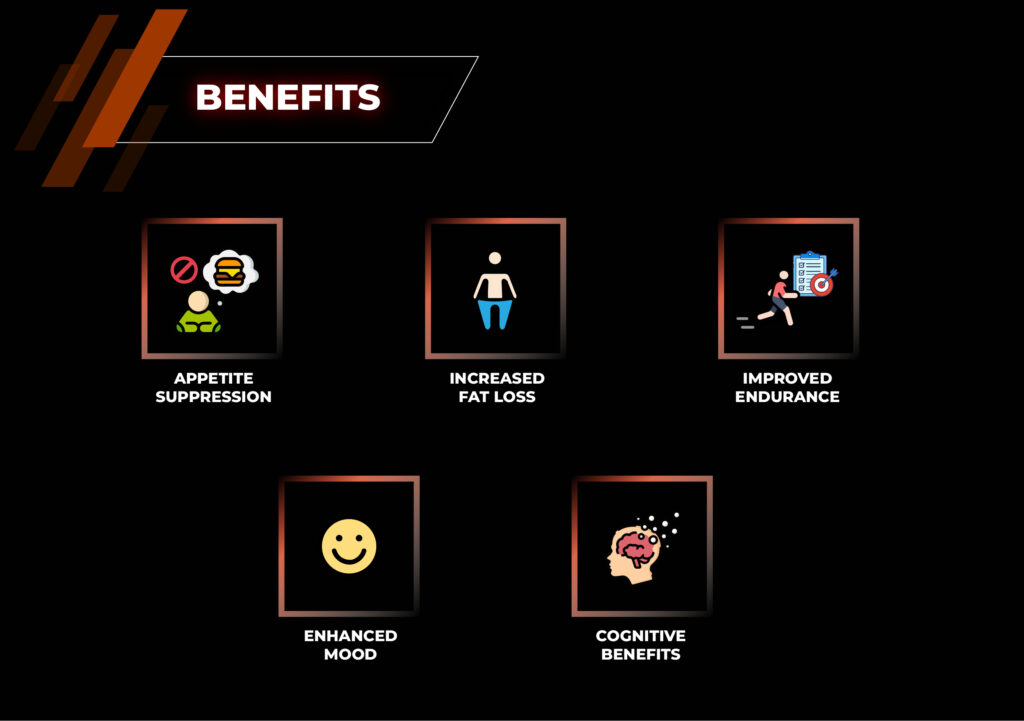
The benefit with solid evidence is weight loss driven by lower appetite. In the trials, tesofensine made a reduced-calorie diet easier to stick to and produced clearly more weight loss than placebo.
Other claims are weaker. Tesofensine was tested in Parkinson’s disease (including a randomised trial) and in Alzheimer’s disease, but neither programme continued, so claims about better focus or memory have no clinical support. Reports of more energy and better mood come from users, not from trials.
Compared with approved options, the trade-off is clear. GLP-1 drugs such as semaglutide are approved, made to pharmaceutical standards and backed by years of safety data, including cardiovascular outcome trials. Tesofensine has none of that. Our guide to peptides for weight loss covers the alternatives in more detail.
Where Tesofensine Is Sold
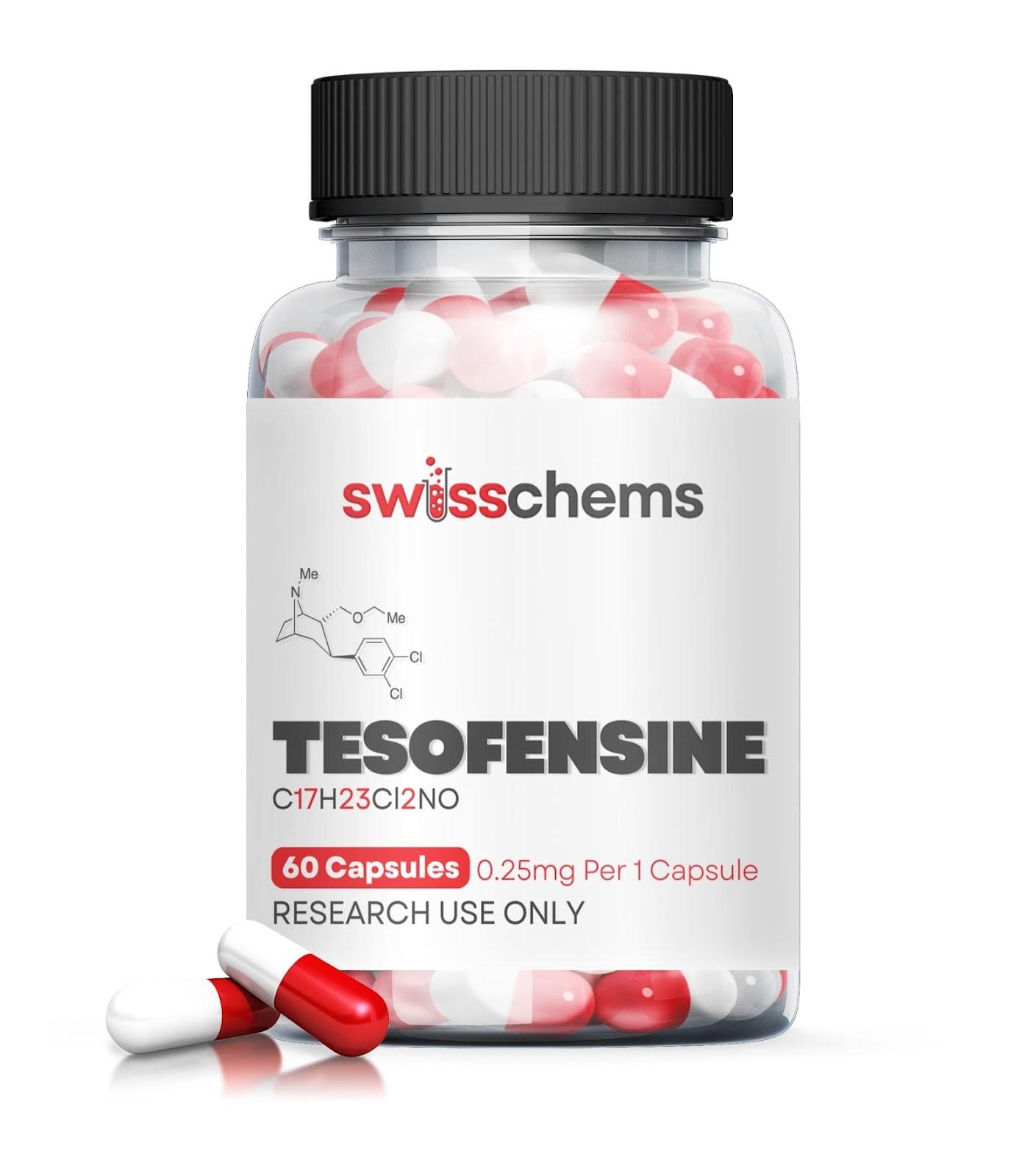
Tesofensine is sold by research-chemical vendors, typically as 0.25 mg capsules labelled for research use. SwissChems and NextChems both list it. Neither product is an approved medicine. A vendor’s certificate of analysis gives some assurance about what a capsule contains, but it does not make the product safe to take, and everything above about side effects still applies.

Pros
- Exceptional purity & testing (≥98%)
- Pharmaceutical-style packaging for stability
- Broad catalog across peptides & nootropics
- Strong reputation & consistency across years
Cons
- Some items frequently out of stock due to high demand
- Limited long-term data for some compounds


Pros
- Publishes analytical reports using methods including LC-MS/MS, HPLC-UV/MS, and GC-MS.
- Shipping coverage includes the US, Canada, Europe, South Asia, the Middle East, and other regions.
- Relatively competitive pricing.
Cons
- Customer-reported concerns regarding lost or delayed international shipments.
- Smaller research catalog than other brands on the market
The Bottom Line
Tesofensine produced real weight loss in trials, but it is an unapproved drug whose common side effects are manageable and whose long-term heart safety is unknown.
- The side effects reported in trials are dry mouth, nausea, constipation, hard stools, diarrhoea, insomnia and a faster heart rate, and they rise with the dose.
- Seizures, serotonin syndrome and stroke are theoretical risks, not trial findings, but short and small trials cannot rule out rare or long-term harm.
- Medical supervision, staying at the low end of the studied doses, pulse and blood pressure checks, and avoiding stimulants and serotonergic drugs are the main ways to cut the risk.
Frequently Asked Questions
Disclaimer
Please read carefully
The information on this site is for educational and informational purposes only, and is not medical advice. Always consult a qualified healthcare professional before using any supplement or medication, or making changes to your health, fitness, or nutrition routine.
Not medical advice
Content here is not a substitute for professional medical advice.
Consult your doctor
Talk to your doctor before starting any supplement or new routine.
Use at your own risk
We are not responsible for adverse effects from acting on this.
Do your research
Make informed decisions about your own health.
No guarantees
Individual results vary. No claims about outcomes.
Important — Never disregard professional medical advice or delay seeking it because of something you read here. If you think you may have a medical emergency, call your doctor or your local emergency number right away.