Contents9 sections
Vilon peptide is a synthetic dipeptide composed of just two amino acids: L-lysine and L-glutamic acid. Despite its small size (approximately 275 Da), this peptide bioregulator operates at the epigenetic level, modulating gene expression in immune and repair cells by loosening compacted chromatin structure in aging cells. This reactivates previously silenced genes responsible for protein synthesis and cellular maintenance.
The compound was developed from research into thymus-derived peptide sequences and has been studied primarily in preclinical models for its effects on immune function, tissue regeneration, digestive health and longevity. Unlike larger peptides that target specific receptors, Vilon works through broad epigenetic regulation, gently tuning the body’s innate systems rather than overriding them.
This guide covers Vilon’s mechanism of action, documented benefits, dosing protocols, what to look for when sourcing it and safety considerations.
Key Takeaways
- Vilon is the smallest known peptide bioregulator, consisting of only two amino acids (L-lysine and L-glutamic acid) yet capable of modulating gene expression through chromatin remodeling.
- Preclinical research shows Vilon stimulates T-lymphocyte activity, normalizes cytokine production and enhances immune system balance without triggering inflammatory overdrive.
- Animal studies demonstrate tissue regeneration benefits across multiple organs including the liver, thymus, spleen and intestinal lining, with increased collagen synthesis.
- Longevity research in animal models shows Vilon-treated subjects experienced extended lifespan, delayed tumor development and improved physical activity markers.
- Side effects are rare and mild, typically limited to brief injection-site discomfort or light fatigue, though anyone with autoimmune conditions should consult a healthcare provider before use.
What Is Vilon and How Does It Work?
The Vilon peptide is a remarkably compact synthetic dipeptide with a molecular weight of approximately 275-276 Da. Its structure combines one positively charged amino acid (lysine) with one negatively charged amino acid (glutamate), creating a molecule that interacts fluidly with cellular structures and passes through cell membranes with superior bioavailability compared to larger peptides.
Its biological activity extends across multiple organ systems including the liver, thymus, spleen and intestinal lining. These broad effects place Vilon in the category of peptide bioregulators, compounds that balance gene expression, immune function and cellular repair processes through gentle regulation rather than pharmacological override.
Mechanism of Action
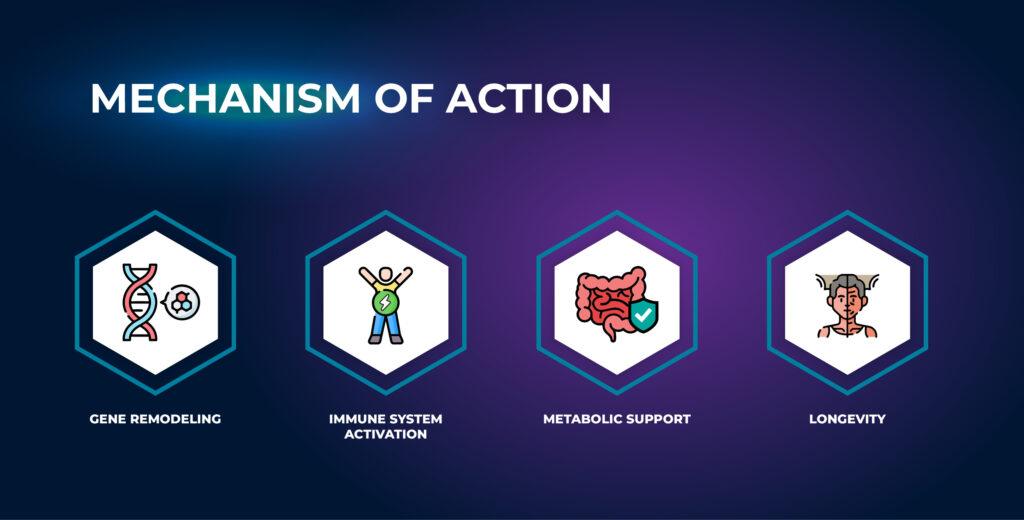
Vilon’s biological activity operates through several interconnected pathways.
Gene and chromatin remodeling. In aging cells, DNA becomes tightly packed (heterochromatinized), which silences important genes. Vilon loosens this compact structure through a process called deheterochromatinization, reactivating ribosomal genes and other previously silent genetic regions. This restores essential protein synthesis and cell function that declines with age.
Immune system activation. Vilon encourages growth in immune cell populations, particularly T-lymphocytes, and increases key signaling molecules like interleukin-2 (IL-2). It also stimulates calcium-driven activation cascades in thymocytes and macrophages, strengthening immune defense while keeping inflammation in check.
Digestive and metabolic support. By enhancing gut enzyme levels and improving glucose uptake in the intestines (especially in older subjects), Vilon strengthens digestive efficiency and promotes metabolic resilience.
Longevity and homeostatic balance. In animal studies, Vilon has been shown to prolong lifespan, slow spontaneous tumor development and support vascular and metabolic homeostasis, suggesting systemic benefits tied to its regulatory influence.
Benefits of Vilon
Immune System Support and Balance
Vilon acts as a regulator of immune function. By stimulating T-lymphocyte activity and normalizing cytokine production, it enhances the body’s ability to recognize and fight off pathogens while tempering excessive inflammation. Animal studies have shown restored immune markers and improved resistance to infections, suggesting Vilon helps maintain immune homeostasis without inflammatory overdrive.
Tissue Repair and Regeneration
One of Vilon’s most documented roles is supporting tissue repair. As a bioregulator, it amplifies gene expression associated with cellular regeneration. In preclinical studies, Vilon improved healing rates in organs such as the liver, thymus and gut, and increased collagen synthesis. This makes it relevant for muscle, joint and skin recovery applications.
Anti-Aging and Cellular Longevity
Vilon’s influence on chromatin structure enables it to reactivate silenced genes responsible for internal repair and stress resilience. Animal research shows Vilon-treated subjects experienced enhanced physical activity, delayed tumor development and extended lifespan, highlighting its anti-aging potential.
Reduction of Chronic Inflammation
Persistent low-level inflammation accelerates tissue damage with age. Vilon helps break this cycle by lowering inflammatory cytokines and boosting antioxidant gene expression. Research indicates Vilon plays a role in reducing chronic inflammation, supporting joint health, recovery, immune regulation and overall cellular protection.
Metabolic and Gut Health
Vilon supports digestive efficiency by increasing gut enzyme production and enhancing nutrient absorption. Studies in aged rats revealed improved activity of digestive enzymes like maltase and alkaline phosphatase, along with improved glucose uptake, all essential for sustaining energy, gut integrity and metabolic balance.
Cardiovascular Health
Vilon supports heart and vascular health by influencing gene expression and improving microcirculation, functioning similarly to the Cardiogen bioregulator in its cardiovascular focus. In animal studies, treatment with Vilon (alone or combined with Epitalon) led to beneficial adjustments in dozens of heart-specific genes associated with improved cardiac function and elasticity.
It also helped stabilize blood vessels through the regulation of factors that control vascular permeability. In diabetic models, it enhanced natural blood clot control by increasing anticoagulants like antithrombin III and protein C, as well as boosting fibrinolytic activity.
What to Look for When Sourcing Vilon
Vilon is sold as a research peptide, and quality varies widely between suppliers. Before buying, check for:
- Third-party testing. A recent certificate of analysis (COA) from an independent lab, confirming identity and purity by HPLC and mass spectrometry. Look for purity of 98% or higher.
- Lyophilized form. Vilon should arrive as a freeze-dried powder in a sealed vial, typically 10-20 mg per vial, ready for reconstitution.
- Clear labeling. The vial should list the compound, quantity, batch number and expiration date.
- Proper shipping and storage. Unreconstituted peptide should be stored cool and dry. Once reconstituted, keep it refrigerated.
A 20 mg vial provides enough material for a standard 10-12 day research cycle at 5 mg daily, with some room for dose adjustment.
Dosage and Stacking
| Compound | Dosage | Administration | Timing |
|---|---|---|---|
| Vilon | 5 mg | Subcutaneous injection | Once daily |
| Epitalon (stack) | 5-10 mg | Subcutaneous injection | Morning |
| Thymalin (stack) | 0.5-5 mg | Subcutaneous injection | Once daily |
Cycle protocol. A standard Vilon cycle spans 7-12 days of daily subcutaneous injections, often repeated every 4-6 months for sustained support. The short cycle length reflects Vilon’s bioregulatory mechanism, which initiates epigenetic changes that continue producing effects after the administration period ends.
Stacking rationale. Vilon is commonly paired with Epitalon (a pineal gland bioregulator associated with telomere maintenance) and Thymalin (a thymus-derived peptide that supports immune function). This combination targets multiple aspects of immune and aging biology simultaneously. For more stacking ideas, see our guide to the best peptide stacks.
Start with Vilon alone for the first cycle to establish baseline tolerance before adding stack compounds.
Side Effects and Safety
Vilon is generally well tolerated in research, with only mild and temporary effects reported. Documented side effects include:
Injection-site reactions. Slight redness or tenderness at the injection site is the most commonly reported effect. This typically resolves within hours and can be minimized by rotating injection sites.
Mild headaches. Occasionally reported during the first few days of a cycle. Usually transient and does not require intervention.
Minor digestive upset. Uncommon but documented. Taking Vilon at the same time each day with consistent hydration reduces the likelihood.
Light fatigue. A small number of users report mild tiredness, typically during the first 2-3 days as the body adjusts to the bioregulatory effects.
Safety Considerations
- Autoimmune conditions. Because Vilon modulates immune function and gene expression, individuals with autoimmune disorders should exercise caution and consult a healthcare provider before use.
- Cancer treatment. Preliminary research suggests potential interactions with certain chemotherapy agents, particularly platinum-based compounds. Coordination with an oncologist is essential.
- Diabetes. Vilon’s effects on metabolic pathways and glucose uptake warrant medical supervision for individuals managing diabetes.
- Injection hygiene. Use sterile water or bacteriostatic water for reconstitution, sterile syringes, and rotate injection sites. Store reconstituted peptide refrigerated and follow proper disposal protocols.
The Bottom Line
Vilon peptide is a uniquely compact bioregulator that punches above its molecular weight, with effects spanning immune support, tissue regeneration, metabolic health and cardiovascular function.
- It works by modulating gene expression through chromatin remodeling rather than traditional receptor binding.
- Animal studies consistently show improved immune markers, accelerated tissue repair, delayed tumor development and extended lifespan, and side effects are limited to mild, transient responses.
- The limitation is clear: most of the evidence remains preclinical, and robust human trials are needed to confirm efficacy and long-term safety.
- For anyone exploring peptide bioregulators, Vilon is an accessible entry point thanks to its short cycle length and favorable tolerability.
Frequently Asked Questions
Disclaimer
Please read carefully
Not medical advice
Content here is not a substitute for professional medical advice.
Consult your doctor
Talk to your doctor before starting any supplement or new routine.
Use at your own risk
We are not responsible for adverse effects from acting on this.
Do your research
Make informed decisions about your own health.
No guarantees
Individual results vary. No claims about outcomes.
Important — Never disregard professional medical advice or delay seeking it because of something you read here. If you think you may have a medical emergency, call your doctor or your local emergency number right away.