
Contents14 sections
Mirabegron is a prescription medicine for overactive bladder. In the fitness world it gets attention for a different reason: it activates beta-3 receptors on brown fat, the tissue that burns energy to make heat, and that has led to claims that it works like a gentler version of clenbuterol.
The real picture is more modest. Small human studies show that mirabegron can switch on brown fat and raise energy expenditure, but the clearest effects came at four times the maximum approved dose, where heart rate and blood pressure also rise. No trial has shown meaningful fat loss.
This guide covers what mirabegron 50 mg is approved for, how it works, what the brown fat research actually found, the prescribed and studied doses, side effects, and the medicines it interacts with.
Key Takeaways
- Mirabegron is a beta-3 adrenergic agonist approved by the FDA only for bladder conditions: overactive bladder in adults and neurogenic detrusor overactivity in children aged 3 and older. It is not approved for fat loss.
- The prescribed adult dose is 25-50 mg once daily, and 50 mg is the maximum labeled dose.
- Small human studies show it can activate brown fat and raise resting energy expenditure, with the clearest effects at a single 200 mg dose. None of them showed meaningful fat loss.
- Heart rate and blood pressure rise as the dose goes up, which is why the high doses used in brown fat research are not a safe “performance” protocol.
- Mirabegron inhibits the liver enzyme CYP2D6 and raises digoxin levels, so every other medicine you take should be checked with a doctor or pharmacist first.
What Is Mirabegron?

Mirabegron is a medicine for overactive bladder (OAB), a condition that causes a sudden, hard-to-control urge to urinate, frequent trips to the bathroom and, in some people, leaking (urge incontinence). It relaxes the detrusor, the muscle in the bladder wall, while the bladder fills, so the bladder can hold more urine before the urge to go kicks in.
The FDA has also approved it for neurogenic detrusor overactivity (NDO) in children aged 3 and older. NDO means the bladder muscle contracts involuntarily because of a nerve condition such as spina bifida. In children, the dose is based on body weight and set by a specialist.
Mirabegron comes as an extended-release tablet sold as Myrbetriq in the US and Betmiga in Europe and the UK, with generic versions in many countries. Myrbetriq Granules, a liquid suspension, are used mainly for children. Its FDA approval covers these bladder conditions only. Fat loss, weight loss and athletic performance are off-label uses with no approval anywhere.
| Fact | Mirabegron |
|---|---|
| Drug class | Beta-3 adrenergic receptor agonist |
| Brand names | Myrbetriq (US), Betmiga (Europe and UK), plus generics |
| Approved uses | Overactive bladder in adults; neurogenic detrusor overactivity in children aged 3+ |
| Adult dose | 25-50 mg once daily (50 mg maximum) |
| Form | Extended-release tablet; granules for oral suspension |
| Half-life | About 50 hours |
| Approved for fat loss | No |
How Mirabegron Works
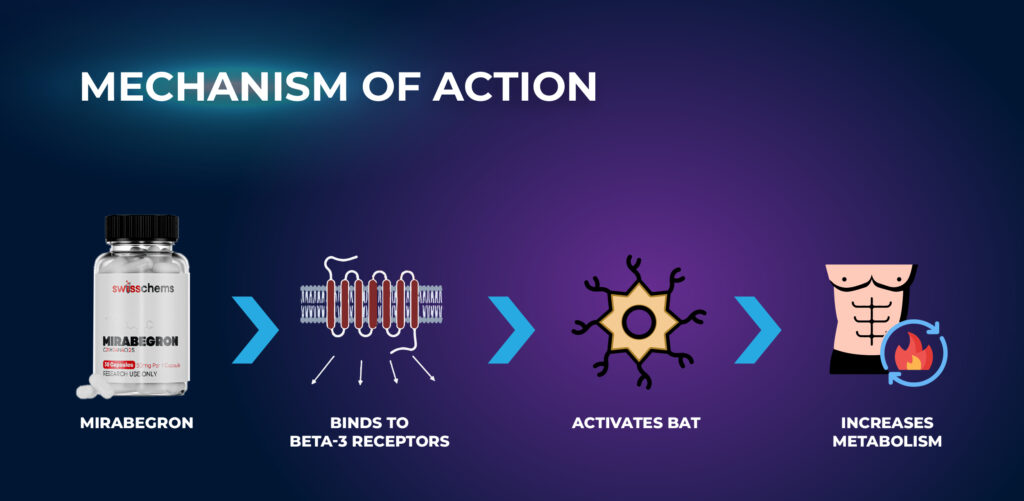
Mirabegron activates beta-3 adrenergic receptors. In the bladder, that relaxes the detrusor muscle. The same receptors are found in fat tissue, including brown adipose tissue (BAT). Brown fat is packed with mitochondria and, when switched on, burns fat and glucose to make heat instead of storing energy. Cold exposure is the body’s natural trigger for this process.
This is where the comparison with clenbuterol comes from. Clenbuterol is a beta-2 agonist: it acts mainly on the airways, muscle and heart, which is why tremor, a racing pulse and anxiety are so common. Mirabegron is selective for beta-3 receptors at prescribed doses, so these effects are much less pronounced.
That selectivity has limits. At higher doses, mirabegron is thought to also stimulate beta-1 receptors in the heart, which would explain why heart rate and blood pressure climb as the dose goes up. Some research also suggests that human brown fat relies more on beta-2 receptors than rodent brown fat does, which may be one reason the dramatic fat loss seen with beta-3 agonists in rodents has not been repeated in people.
Mirabegron and Brown Fat: What the Human Studies Show
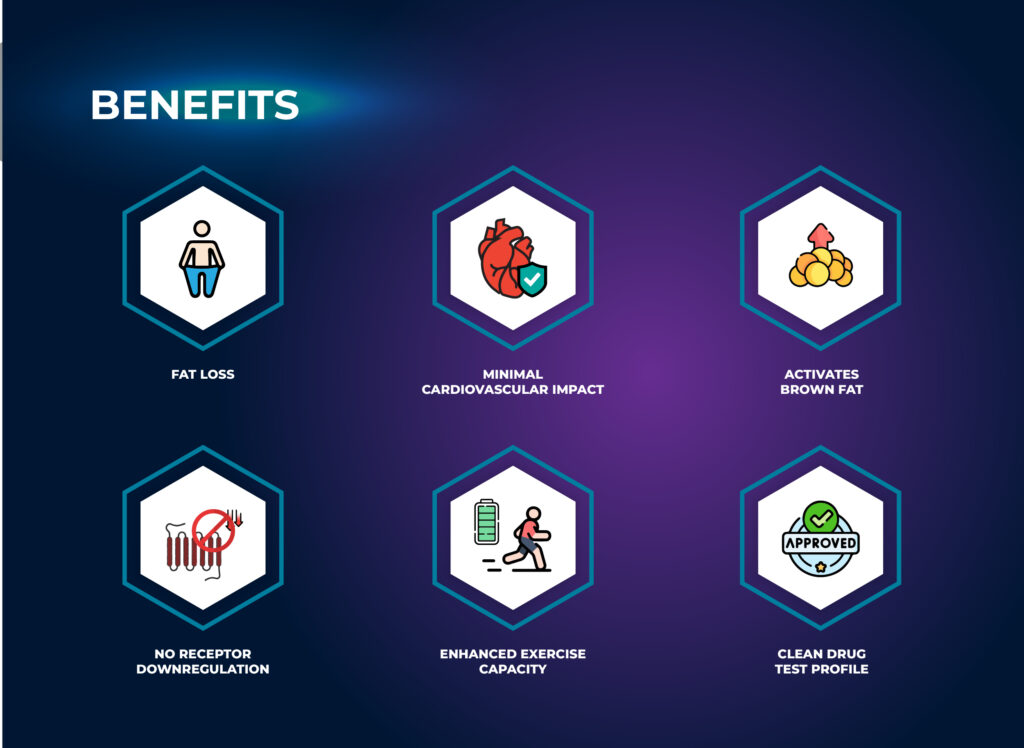
Research on mirabegron and metabolism in humans is small and short-term. These are the main studies behind the fat loss interest.
A Single 200 mg Dose in Young Men
The study that started the interest was published in Cell Metabolism in 2015. Twelve healthy young men took a single 200 mg dose, four times the maximum approved dose. PET scans showed clearly higher brown fat activity, and resting metabolic rate rose by about 200 calories a day (around 13%). Heart rate and systolic blood pressure rose as well.
50 mg vs 200 mg
A follow-up study in healthy men compared 50 mg with 200 mg. The effects on brown fat and energy expenditure were dose-dependent, and the 200 mg dose also raised heart rate and blood pressure. At 200 mg the gallbladder grew by about 35%, a finding whose long-term meaning is unknown. It is a reason for caution, not a metabolic benefit.
Four Weeks of 100 mg in Healthy Women
In an NIH study published in the Journal of Clinical Investigation, 14 healthy women took 100 mg a day, double the maximum approved dose, for four weeks. Brown fat activity increased, as did HDL (“good”) cholesterol and insulin sensitivity. Resting energy expenditure went up, but body weight and body composition did not change over the four weeks.
Twelve Weeks of 50 mg in Adults With Obesity
Researchers at the University of Kentucky gave 50 mg a day for 12 weeks to adults with obesity and insulin resistance. Insulin sensitivity and blood sugar control improved, and biopsies showed more “beige” fat cells (white fat cells that take on brown-fat traits) in the fat under the skin. The study was designed to measure metabolic health, not fat loss, and it did not report meaningful weight loss.
| Study | Dose and length | Main findings |
|---|---|---|
| 12 healthy young men | 200 mg, single dose | Higher brown fat activity; resting metabolic rate up about 13%; higher heart rate and blood pressure |
| Healthy men, dose comparison | 50 mg vs 200 mg, single doses | Dose-dependent effects; heart rate and blood pressure up at 200 mg; gallbladder about 35% larger at 200 mg |
| 14 healthy women | 100 mg daily, 4 weeks | Higher brown fat activity, HDL and insulin sensitivity; no change in weight or body composition |
| Adults with obesity and insulin resistance | 50 mg daily, 12 weeks | Better insulin sensitivity; more beige fat cells; no meaningful weight loss reported |
What This Means for Fat Loss
Mirabegron does activate human brown fat, and the metabolic effects on cholesterol and blood sugar are genuinely interesting. But the extra calories burned are modest, the largest effects came from doses above the approved maximum, and no trial has shown that it strips body fat. There is no human study comparing it with clenbuterol, so claims of “clen-like” fat loss are anecdotes, not evidence.
Claims about tolerance, muscle preservation on a cut, or better endurance and stamina have not been tested in healthy people. In the four-week study, brown fat activity was still raised at the end, so tolerance did not appear over that short window, but nothing longer has been studied for metabolic use.
Mirabegron vs Clenbuterol
People usually look at mirabegron after a bad experience with clenbuterol or stimulant fat burners. The two drugs act on different receptors and have very different evidence and risk profiles.
| Feature | Mirabegron | Clenbuterol |
|---|---|---|
| Main receptor | Beta-3 | Beta-2 |
| Approved human use | Bladder conditions | Asthma in some countries; not approved for humans in the US |
| Common side effects | Small rises in blood pressure and pulse at 50 mg; larger at high doses | Tremor, palpitations, muscle cramps, insomnia |
| Human fat loss evidence | Small brown fat and energy expenditure studies; no fat loss trial | Very limited; most data are from animals |
| WADA status | Not named on the Prohibited List; check the current list | Banned at all times |
If you are comparing fat loss drugs, our guides to T3 and T4 for weight loss and yohimbine for weight loss cover two other options people look at, with their own risks.
Mirabegron Dosage: Prescribed and Studied Doses
Mirabegron is only approved at the doses below. Doses above 50 mg have been used in short research studies, not as treatment, and they come with larger rises in heart rate and blood pressure.
- Adults with overactive bladder (US label): start at 25 mg once daily; the doctor may raise it to 50 mg once daily.
- Adults in Europe and the UK: 50 mg once daily is the usual dose.
- Severe kidney impairment or moderate liver impairment: no more than 25 mg once daily. Mirabegron is not recommended in end-stage kidney disease or severe liver impairment.
- Children with NDO: a weight-based dose set by a specialist.
The tablets are extended-release, so they should be swallowed whole with water, not crushed, split or chewed. They can be taken with or without food. If you miss a dose, take it as soon as you remember, unless more than 12 hours have passed; in that case skip it and take the next dose at the usual time. Never take two doses at once.
| Dose | Where it is used | Notes |
|---|---|---|
| 25 mg once daily | Starting dose (US); reduced dose for kidney or liver impairment | Approved |
| 50 mg once daily | Standard and maximum approved dose; 12-week obesity study | Approved maximum |
| 100 mg once daily | 4-week brown fat study in healthy women | Research only; double the maximum dose |
| 200 mg single dose | Brown fat studies in healthy men | Research only; clear rises in heart rate and blood pressure |
Side Effects and Safety Information
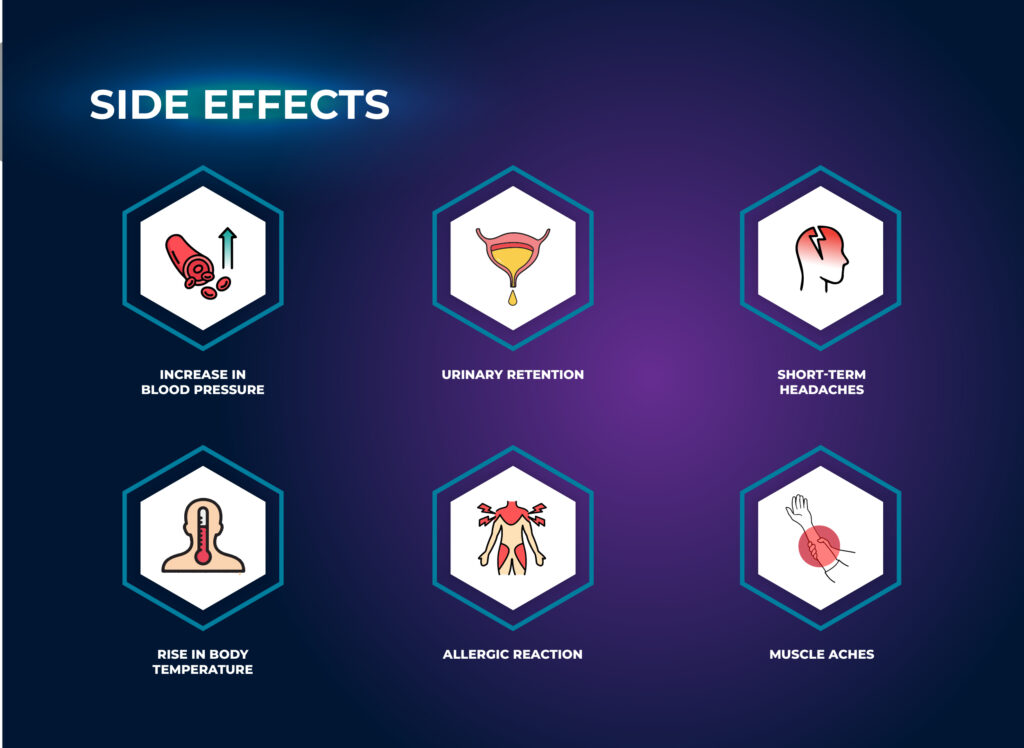
At prescribed doses, most people tolerate mirabegron well. The most common side effects in the bladder trials were:
- Raised blood pressure: the label advises checking blood pressure regularly, especially in people who already have high blood pressure.
- Common cold symptoms (nasopharyngitis) and urinary tract infections.
- Headache and, less often, dizziness.
- Constipation, dry mouth and a faster heart rate, which are less common. Dry mouth is much less frequent than with older antimuscarinic bladder drugs.
Less common but more serious risks:
- Urinary retention: trouble emptying the bladder, mainly in people with a blockage such as an enlarged prostate, or who also take antimuscarinic bladder drugs.
- Angioedema: rare swelling of the face, lips, tongue or throat. Stop the drug and get emergency care if it happens.
- Higher doses: in healthy volunteers, the rise in heart rate and blood pressure grows with the dose. At 200 mg the gallbladder also enlarged.
Who Should Not Use Mirabegron?
- Allergy: anyone allergic to mirabegron or any ingredient in the tablet.
- Severe uncontrolled high blood pressure: 180/110 mmHg or higher. Mirabegron should not be used until blood pressure is under control.
- Severe kidney or liver disease: the drug can build up, so it is not recommended in end-stage kidney disease or severe liver impairment, and the dose is capped at 25 mg in severe kidney impairment and moderate liver impairment.
- Trouble emptying the bladder: a blockage such as an enlarged prostate raises the risk of urinary retention.
- History of angioedema: swelling under the skin that can block the airway.
- Heart disease or rhythm problems: because mirabegron can raise heart rate and blood pressure, this needs a doctor’s assessment first.
- Pregnancy and breastfeeding: there is not enough safety data.
- Children: only for NDO, at a weight-based dose under a specialist. It is not approved for overactive bladder in children.
Interactions with Other Medicines
Mirabegron is a moderate inhibitor of CYP2D6, a liver enzyme that clears many drugs, so it can raise the levels of medicines broken down by that enzyme. The main interactions are:
- Digoxin: mirabegron raises digoxin levels. The label advises starting digoxin at the lowest dose and monitoring blood levels.
- CYP2D6 drugs: levels of metoprolol (a beta-blocker) and desipramine (an antidepressant) rose in studies. Extra care is needed with drugs that have a narrow safety margin, such as thioridazine, flecainide and propafenone.
- Antimuscarinic bladder drugs (for example solifenacin): the combination is used in medicine, but it raises the risk of urinary retention.
- Strong CYP3A4 inhibitors such as ketoconazole: mirabegron is partly broken down by CYP3A4, so these drugs raise mirabegron levels.
- Stimulants and fat burners (clenbuterol, ephedrine, yohimbine, high-dose caffeine): combinations have not been studied, and their effects on heart rate and blood pressure may add up.
Tell your doctor or pharmacist about every medicine and supplement you take before starting mirabegron. If you take more than prescribed and notice a pounding or racing heart, chest pain or a severe headache, get medical help right away or contact your local poison control center.
Other Uses and Open Questions
- Enlarged prostate (BPH): in men who still have urgency and frequency on an alpha-blocker such as tamsulosin, mirabegron is sometimes added to treat these bladder symptoms. It does not shrink the prostate.
- Cold exposure: cold is the best-studied natural way to activate brown fat. Whether combining it with mirabegron adds a meaningful effect in people has not been shown.
- Metabolic health: the improvements in insulin sensitivity and HDL cholesterol are the most promising findings so far, but they come from small, short studies.
- Drug testing in sport: mirabegron is not a beta-2 agonist, the class WADA bans under S3, and it is not named on the Prohibited List. The list is updated every year, so tested athletes should check the current list or ask their federation.
Where to Buy Mirabegron 50 mg
In the US, UK and EU, mirabegron is a prescription medicine. Getting it through a doctor and a pharmacy is the only route that comes with a dose check, blood pressure monitoring and a review of your other medicines.
SwissChems, one of Muscle & Brawn’s partners, has sold mirabegron as 50 mg capsules for research. Products sold this way are not checked by a drug regulator, so ask for a batch-matched certificate of analysis before you order. A certificate confirms what is in the bottle; it does not make a compound safe to take. Our SwissChems review covers the vendor in more depth.

Pros
- Exceptional purity & testing (≥98%)
- Pharmaceutical-style packaging for stability
- Broad catalog across peptides & nootropics
- Strong reputation & consistency across years
Cons
- Some items frequently out of stock due to high demand
- Limited long-term data for some compounds
The Bottom Line
Mirabegron 50 mg is a well-tolerated bladder medicine that can activate brown fat, but it is not a proven fat burner and not a clenbuterol replacement.
- Its FDA approval covers overactive bladder in adults and neurogenic detrusor overactivity in children, at 25-50 mg once daily for adults.
- Human studies show brown fat activation, a higher resting metabolic rate and better insulin sensitivity, mostly at doses above the approved maximum and without meaningful fat loss.
- Heart rate and blood pressure rise with dose, and the drug interacts with digoxin and CYP2D6 medicines, so it belongs under a doctor’s care.
Frequently Asked Questions
Disclaimer
Please read carefully
The information on this site is for educational and informational purposes only, and is not medical advice. Always consult a qualified healthcare professional before using any supplement or medication, or making changes to your health, fitness, or nutrition routine.
Not medical advice
Content here is not a substitute for professional medical advice.
Consult your doctor
Talk to your doctor before starting any supplement or new routine.
Use at your own risk
We are not responsible for adverse effects from acting on this.
Do your research
Make informed decisions about your own health.
No guarantees
Individual results vary. No claims about outcomes.
Important — Never disregard professional medical advice or delay seeking it because of something you read here. If you think you may have a medical emergency, call your doctor or your local emergency number right away.