Contents8 sections
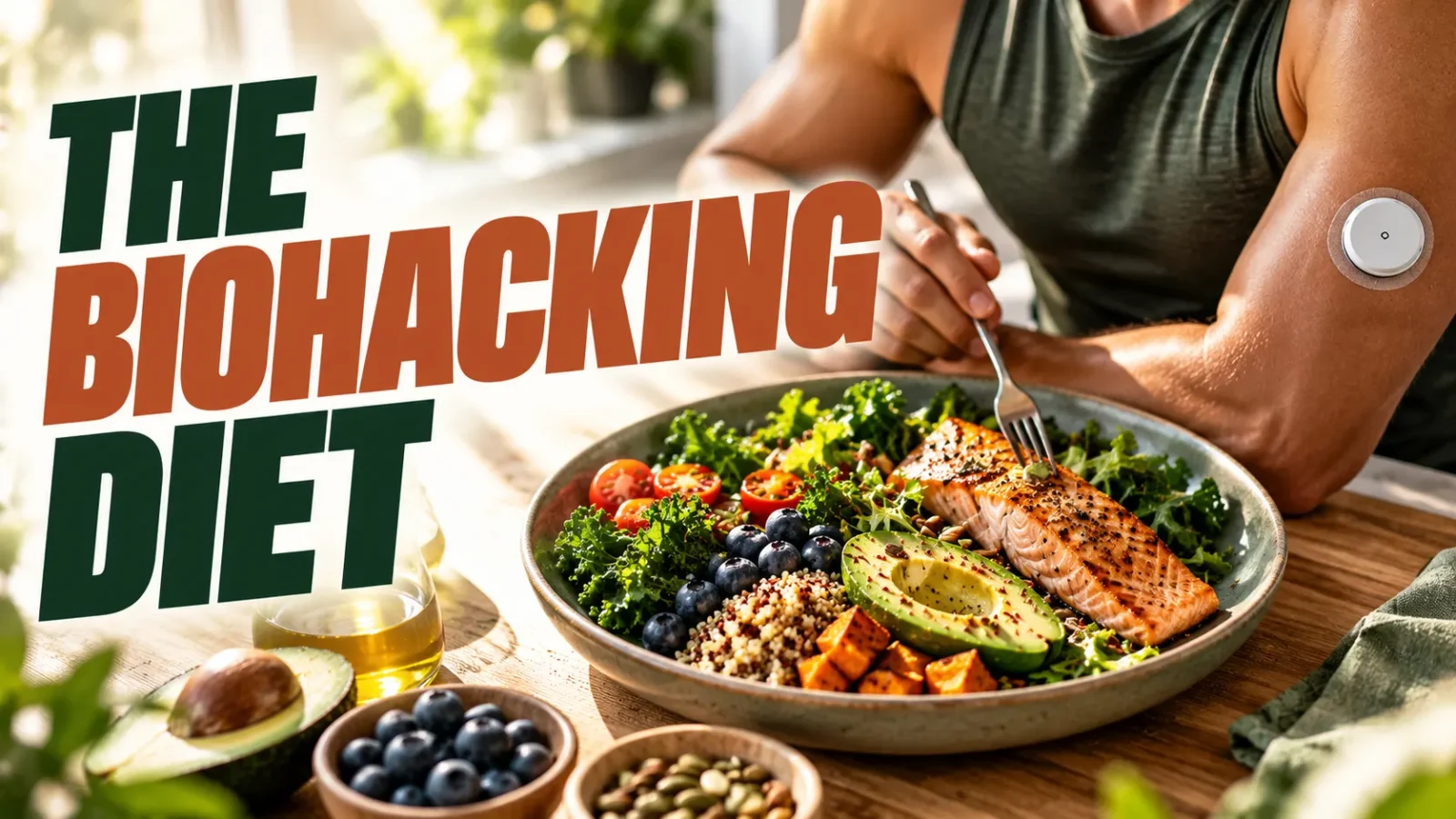
A biohacking diet is a data-driven approach to nutrition that uses personalized food selection, strategic meal timing and targeted supplementation to optimize energy, cognitive function and body composition. Unlike conventional diets that prescribe the same macronutrient ratios for everyone, biohacking treats nutrition as an experiment where the individual’s own biomarkers, performance data and subjective response determine what works.
The concept is straightforward: test, measure, adjust. Track how specific foods affect your energy, focus, sleep and body composition, then build a dietary framework around what the data shows. The result is a personalized nutrition strategy that evolves with your body rather than following a rigid template.
This guide covers the core principles of biohacking nutrition, practical weight loss strategies, how to build a personalized plan and which supplements help optimize metabolism.
Key Takeaways
- A biohacking diet is personalized to your biology using lab tests, wearable data and food response tracking rather than following a generic meal plan.
- Intermittent fasting (16:8 or 18:6) is one of the most evidence-backed biohacking strategies, regulating blood sugar, lowering insulin and promoting fat oxidation.
- Nutrient-dense whole foods form the foundation, with emphasis on healthy fats, quality protein and anti-inflammatory vegetables while eliminating processed foods.
- Strategic supplementation with compounds like alpha GPC, ashwagandha, magnesium and creatine fills nutritional gaps and supports specific performance goals.
- Tracking biomarkers through blood panels, wearables and food journals provides the objective data needed to refine your approach over time.
Core Principles of the Biohacking Diet
A biohacking diet is not a rigid protocol. It is a framework for using nutrition as a tool for biological optimization. Five principles define the approach.
Personalized Nutrition
No two people respond to food identically. Genetics, gut microbiome composition, hormone levels, activity patterns and stress load all influence how the body processes nutrients. A biohacking diet starts with understanding your individual biology through lab testing (vitamin D, B12, iron, cortisol, thyroid function, blood glucose), food intolerance testing and tracking how you feel after specific meals.
The goal is to identify which foods enhance your energy and cognition and which ones cause inflammation, bloating, brain fog or energy crashes.
Nutrient Density Over Calorie Counting
Biohackers prioritize the quality of food over the quantity. Every meal should deliver micronutrients, essential fatty acids and quality protein. Processed foods, refined sugars and industrial seed oils are minimized or eliminated because they promote inflammation, insulin resistance and poor recovery.
The emphasis is on whole foods: pastured eggs, wild-caught fish, grass-fed meat, organic vegetables, nuts, seeds, avocados, olive oil and fermented foods. These provide the raw materials the body needs for cellular repair, neurotransmitter production and hormonal balance.
Metabolic Flexibility
Metabolic flexibility is the ability to efficiently switch between burning glucose and burning fat for fuel. Most people on a standard diet are locked into glucose dependency, which produces energy crashes, sugar cravings and difficulty accessing stored body fat.
Biohacking protocols develop metabolic flexibility through periodic low-carbohydrate eating, intermittent fasting and strategic carbohydrate cycling. The result is steadier energy, reduced cravings and more efficient fat utilization. Research on metabolic peptides like MOTS-c suggests that mitochondrial signaling also plays a role in metabolic flexibility.
Meal Timing
When you eat matters as much as what you eat. Nutrient timing affects insulin sensitivity, growth hormone secretion, cortisol patterns and circadian rhythm. Many biohackers use time-restricted eating windows (such as 16:8 or 18:6 intermittent fasting schedules) to align food intake with the body’s natural metabolic rhythms.
Finishing meals by mid-afternoon and avoiding late-night eating supports better sleep quality, improved digestion and more effective fat burning during overnight fasting periods.
Data-Driven Adjustments
The biohacking diet is iterative. Track what you eat, how you feel, how you perform and what your biomarkers show. Use wearables (Oura Ring, WHOOP, continuous glucose monitors), food journals and periodic blood panels to identify patterns and make evidence-based adjustments.
This is what separates biohacking from conventional dieting. You are not following someone else’s plan. You are building your own based on your body’s actual response.
Biohacking Diet Strategies for Weight Loss
A biohacking approach to weight loss focuses on optimizing the hormonal and metabolic environment rather than simply restricting calories.
Intermittent Fasting
Intermittent fasting is the most widely used biohacking strategy for fat loss. Time-restricted eating (16:8 or 18:6) reduces insulin levels, increases growth hormone secretion and shifts the body toward fat oxidation. The fasting period also triggers autophagy, the cellular cleanup process that removes damaged proteins and organelles. Some biohackers complement fasting with peptides for weight loss that target additional metabolic pathways.
For cognitive performance during fasting windows, some biohackers consume MCT oil or black coffee, which provide fuel without triggering a significant insulin response.
Anti-Inflammatory Eating
Chronic low-grade inflammation drives insulin resistance, fat storage and metabolic dysfunction. An anti-inflammatory biohacking diet eliminates processed foods, refined sugars, trans fats and excessive omega-6 fatty acids while emphasizing omega-3-rich foods (salmon, sardines, walnuts), cruciferous vegetables, turmeric and green tea.
Protein Optimization
Adequate protein intake preserves lean mass during fat loss and supports satiety. A biohacking diet typically targets 1.6-2.2 g of protein per kilogram of body weight, distributed across the eating window. Quality matters: grass-fed meat, wild-caught fish, pastured eggs and organic dairy provide superior amino acid profiles and fewer inflammatory compounds.
Sleep and Stress as Weight Loss Levers
Poor sleep and chronic stress elevate cortisol, which promotes visceral fat storage, increases cravings and impairs insulin sensitivity. Biohackers treat sleep optimization and stress management as weight loss strategies with equal importance to nutrition. This includes managing evening cortisol through supplements like magnesium and ashwagandha, maintaining consistent sleep schedules and using breathwork or meditation practices.
Building a Personalized Biohacking Meal Plan
Step 1: Set Specific Goals
Start with one to three measurable goals. Examples: improve fasting blood glucose by 10 points, lose 5 kg of body fat in 12 weeks, or eliminate afternoon energy crashes. Review progress every four to six weeks.
Step 2: Establish Your Baseline
Get baseline data through:
- Blood panels: Fasting glucose, insulin, HbA1c, lipid panel, vitamin D, B12, iron/ferritin, thyroid panel (TSH, T3, T4), cortisol, testosterone
- Body composition: DEXA scan or bioimpedance analysis for body fat percentage, lean mass and visceral fat
- Wearable data: Resting heart rate, heart rate variability (HRV), sleep quality scores, daily activity levels
- Food response tracking: A two-week food and symptom journal documenting energy, digestion, mood and cognitive function after meals
Step 3: Choose Your Nutritional Framework
Based on your data, select an approach:
- Higher fat, lower carb if your glucose and insulin are elevated, or you respond well to fat-based energy
- Moderate carb with timing if you train intensely and need carbohydrates for performance, placing them around workouts
- Elimination and reintroduction if food sensitivities are suspected, removing common triggers (dairy, gluten, soy, eggs) for 30 days then reintroducing one at a time
Step 4: Add Targeted Supplements
Supplements fill gaps that whole foods alone cannot cover. A biohacking stack typically includes:
| Supplement | Dosage | Timing | Purpose |
|---|---|---|---|
| Alpha GPC | 400-800 mg | Split 2-3 doses daily | Cognitive function, acetylcholine support |
| Ashwagandha | 300-600 mg standardized extract | Morning or evening | Cortisol regulation, stress resilience |
| Vitamin D3 + K2 | 5,000 IU D3 + 100-125 mcg K2 | Morning | Immune function, bone health, mood |
| L-Glutamine | 5 g | Twice daily | Gut integrity, recovery |
| Creatine Monohydrate | 5 g | Morning | Strength, cognitive support |
| Magnesium | 200-400 mg elemental | Evening | Sleep quality, HPA axis support |
| Vitamin C | 500 mg | Morning and evening | Immune support, antioxidant |
Step 5: Track, Adjust, Repeat
Run your protocol for four to six weeks, then reassess. Compare biomarkers, body composition and subjective performance against your baseline. Adjust macronutrients, meal timing or supplementation based on the data. This cycle of testing and refinement is the core of biohacking.
Safety and Monitoring
A biohacking diet is powerful but not without risk if implemented carelessly.
Start with one change at a time. Introducing multiple variables simultaneously (new fasting schedule, new supplements, caloric restriction, intense training) makes it impossible to identify what is causing any given effect. Introduce changes sequentially and give each one time to produce measurable results.
Monitor for warning signs. Persistent fatigue, hair loss, hormonal disruption, digestive problems or declining performance are signals that something in your protocol needs adjustment. These are not “detox symptoms.” They indicate that your approach is too aggressive or missing something.
Consult professionals. A physician can interpret blood panels, identify contraindications and monitor for nutrient deficiencies that self-testing may miss. This is especially important if you have existing health conditions or take prescription medications.
Avoid unvalidated trends. Not every biohacking strategy has clinical evidence behind it. Focus on well-established principles: nutrient density, adequate protein, strategic fasting, sleep optimization and stress management. These have decades of research supporting their safety and efficacy.
The Bottom Line
The biohacking diet is not a diet in the conventional sense. It is a framework for using nutrition, timing and supplementation as tools for biological optimization, guided by your own data rather than a generic prescription.
- The fundamentals are well established: eat whole, nutrient-dense foods and eliminate processed junk.
- Use intermittent fasting to improve metabolic flexibility, and fill nutritional gaps with targeted supplements.
- What makes it biohacking rather than just healthy eating is the iterative process: measure your baseline, make one change, track the results and refine.
- It takes patience and consistency. The payoff is a nutritional strategy built for your biology, not borrowed from someone else.
Frequently Asked Questions
Disclaimer
Please read carefully
Not medical advice
Content here is not a substitute for professional medical advice.
Consult your doctor
Talk to your doctor before starting any supplement or new routine.
Use at your own risk
We are not responsible for adverse effects from acting on this.
Do your research
Make informed decisions about your own health.
No guarantees
Individual results vary. No claims about outcomes.
Important — Never disregard professional medical advice or delay seeking it because of something you read here. If you think you may have a medical emergency, call your doctor or your local emergency number right away.