Contents11 sections
Pregnenolone is a steroid hormone your body makes from cholesterol. It sits at the very start of the steroid pathway: the adrenal glands, testes and ovaries turn it into DHEA and progesterone, and from there into cortisol, testosterone and estrogen. The brain makes it too, and there it also acts as a neurosteroid in its own right.
Levels fall with age, which is why pregnenolone supplements are sold for memory, mood, stress and “hormone balance”. The evidence is thinner than the marketing. Many of the striking results come from rats and mice, and the human trials are small, mostly in people with psychiatric conditions, and often used doses far above a typical capsule.
This guide explains how pregnenolone works, which benefits have human data and which are animal-only, the doses used in studies and commonly reported by users, the side effects, and who should avoid it.
Key Takeaways
- Pregnenolone is the first steroid made from cholesterol. The body turns it into DHEA and progesterone, and from those into cortisol, testosterone and estrogen.
- The memory, anti-inflammatory and cannabis-blocking effects come mainly from animal and cell studies, not from trials in healthy people.
- Human trials are small and mostly in schizophrenia and bipolar depression, using doses far above typical supplements, with mixed but sometimes promising results.
- Commonly reported supplement doses are 10-50 mg a day. There is no established dose for healthy people, and no good evidence that it raises testosterone.
- Because it can shift other hormones, avoid it in pregnancy and with hormone-sensitive conditions, and talk to a doctor first if you take hormones or psychiatric medication.
What Is Pregnenolone?
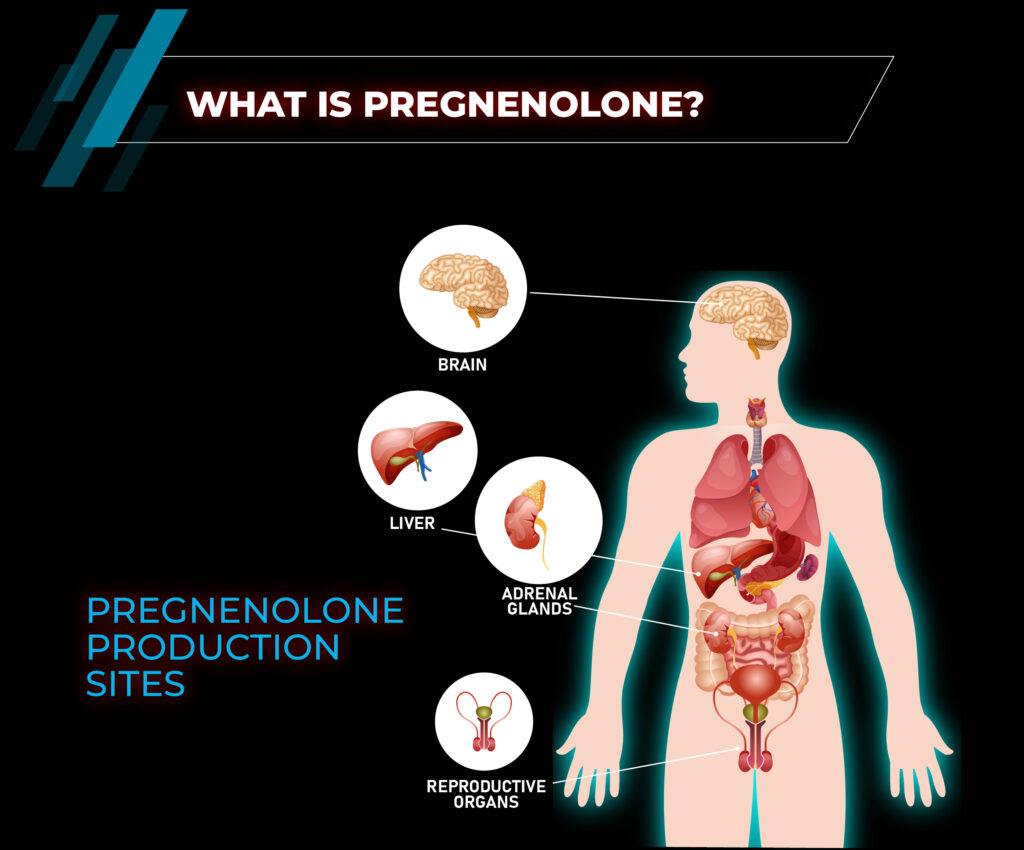
Pregnenolone is the first steroid hormone made from cholesterol. Inside the mitochondria, the enzyme CYP11A1 (the cholesterol side-chain cleavage enzyme) cuts cholesterol down to pregnenolone. This happens mainly in the adrenal glands and the gonads (testes and ovaries), in the placenta during pregnancy, and in the brain and nerves. Our pregnenolone compound profile covers its chemistry in more detail.
Every other steroid hormone is made from it, including progesterone, DHEA, cortisol, aldosterone, testosterone and estrogen. That is why supplement sellers call it the “mother hormone”. The label oversells it. The body decides how much of each hormone to make through its own signals (ACTH for the adrenal glands, LH and FSH for the testes and ovaries) and enzymes, so extra pregnenolone does not simply turn into more of whichever hormone is low.
Blood levels of pregnenolone, like those of DHEA, decline with age. That decline is the main selling point for supplements, but no trial has shown that topping it up slows aging or brings back “youthful” energy.
How Does Pregnenolone Work?
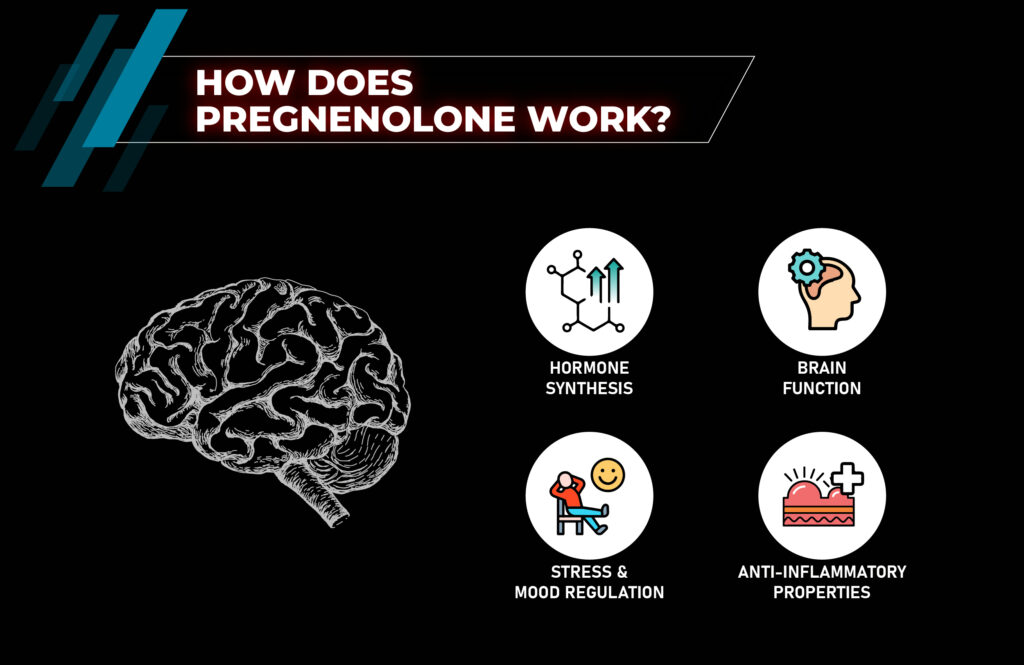
Pregnenolone works in two ways: as the raw material for other steroid hormones, and as a neurosteroid that acts directly on receptors in the brain.
Mechanism of Action
- Hormone synthesis: Cholesterol becomes pregnenolone, which then becomes progesterone or, through 17-hydroxypregnenolone, DHEA. Progesterone leads on to aldosterone and cortisol; DHEA leads on to androstenedione, testosterone and estrogen. Pregnenolone is the first step of this chain (steroidogenesis), not a hormone that “balances” the others.
- Brain receptors: Pregnenolone is also converted into pregnenolone sulfate, which enhances NMDA receptor signalling and dampens GABA-A receptors, an alerting rather than calming effect. The calming effects linked to pregnenolone are thought to come from a downstream metabolite, allopregnanolone, which strengthens GABA-A signalling.
- Cannabis and the CB1 receptor: In rats and mice, pregnenolone acts as a signalling-specific inhibitor of the CB1 cannabinoid receptor and blunted several effects of THC, including memory impairment (Vallée et al., 2014). This is animal data. A synthetic derivative, not pregnenolone itself, is the version being tested in people with cannabis use disorder.
- Inflammation: In cell and animal studies, pregnenolone reduced inflammatory signalling in immune cells and neuroinflammation. Human evidence for joint pain or inflammatory disease is very limited.
- Stress hormones: Pregnenolone is upstream of cortisol, and neurosteroids interact with the body’s stress (HPA) axis. That does not mean a supplement “balances” cortisol in healthy people; there is no good evidence that it does. If cortisol is your main concern, see our guide to supplements to reduce cortisol.
| Pathway | Main products | What they do |
|---|---|---|
| Pregnenolone to progesterone | Progesterone, then aldosterone and cortisol | Menstrual cycle and pregnancy; salt and fluid balance; stress response |
| Pregnenolone to 17-hydroxypregnenolone to DHEA | DHEA, then androstenedione, testosterone and estradiol | Sex hormones in men and women |
| Pregnenolone to pregnenolone sulfate | Pregnenolone sulfate | Acts on NMDA and GABA-A receptors in the brain |
| Progesterone to allopregnanolone | Allopregnanolone | Strengthens GABA-A signalling (calming) |
Which route dominates depends on the tissue and its enzymes. The adrenal glands, testes and ovaries each make a different mix, which is why the effect of a pregnenolone supplement on any single hormone is hard to predict.
Potential Benefits: What Human and Animal Studies Show
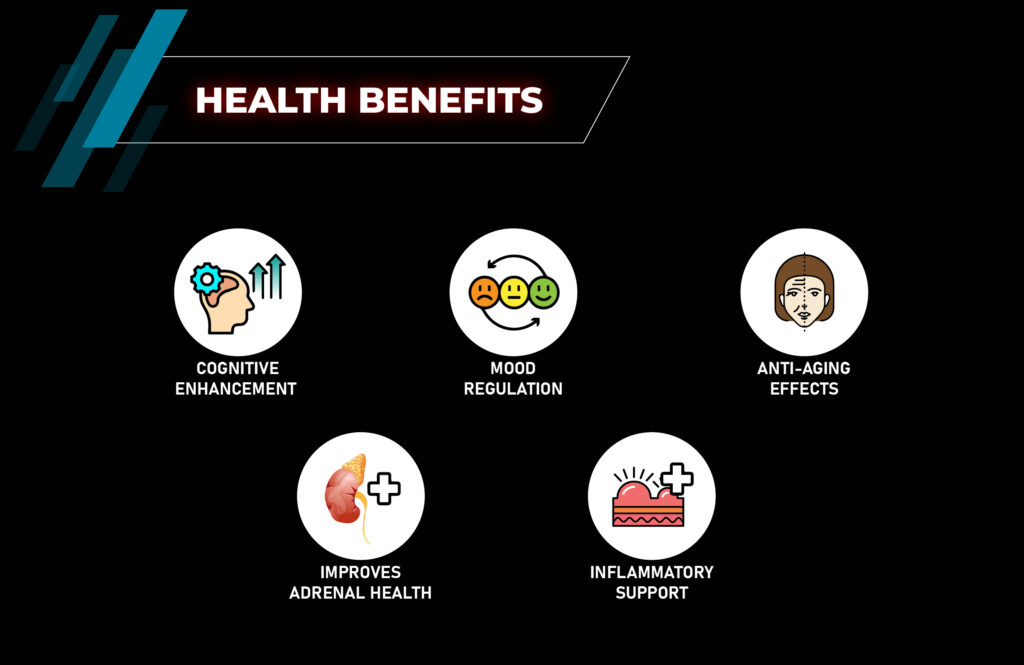
Most of pregnenolone’s reputation rests on animal research. Below, each claimed benefit is labelled by the kind of evidence behind it.
Memory and Cognition (Mostly Animal Data)
In mice, pregnenolone and pregnenolone sulfate improved memory in learning tasks, and in aged rats, low levels of pregnenolone sulfate in the hippocampus were linked to poorer memory. These findings are the source of its reputation as a “brain booster”.
Human data are much weaker. Researchers continue to study neurosteroids in aging and cognition, but there is no good evidence from human trials that pregnenolone improves memory or focus in healthy adults.
Mood, Anxiety and Stress (Small Human Studies)
In healthy men, a single 400 mg dose raised blood levels of allopregnanolone and changed activity in brain circuits involved in emotion regulation on brain scans (Sripada et al., 2013). That is an imaging result in healthy volunteers, not proof that pregnenolone treats anxiety.
In a 12-week placebo-controlled trial in people with bipolar depression, pregnenolone added to their usual treatment improved depressive symptoms more than placebo (Brown et al., 2014). Neurosteroids are also being studied in depression and other mood disorders, but the trials so far are small and used doses far higher than typical supplements.
Neurosteroids are part of the body’s response to mental and physical stress, but pregnenolone supplements have not been shown to improve stress resilience in healthy people. It is also sold for “adrenal fatigue”, which is not a recognised medical diagnosis.
Schizophrenia (Small Human Trials, Add-On Use)
Pregnenolone has been tested most in schizophrenia, added to antipsychotic medication. A small proof-of-concept trial reported improvement in negative symptoms (Marx et al., 2009), and an 8-week trial using 30 mg a day reported improvements in some symptoms and in medication-related movement side effects (Ritsner et al., 2010). Results across trials have been mixed. This is a medical use under psychiatric care, not a reason to self-treat.
Pain and Inflammation (Animal Data, One Small Human Pilot)
In lab and animal studies, pregnenolone and related compounds reduced inflammatory signalling. Pregnenolone was tried for rheumatoid arthritis around 1950, but interest faded once cortisone proved far more effective. A small pilot trial in US military veterans with chronic low back pain reported lower pain scores with pregnenolone than with placebo; larger trials are needed to confirm it.
Testosterone and Anti-Aging (No Good Human Evidence)
Because testosterone is made from pregnenolone, it is often sold as a testosterone booster. There is no good evidence that it raises testosterone in healthy men. Testosterone output is set by LH from the pituitary gland, not by how much raw material is available, and supplemental pregnenolone can also become progesterone, DHEA and other metabolites. If you suspect low testosterone, a blood test is a better first step; see average testosterone levels by age.
The same applies to anti-aging claims. Pregnenolone levels fall with age, but no trial has shown that supplementing it slows aging or restores muscle, skin or energy in healthy older adults.
| Claim | Type of evidence | What it shows |
|---|---|---|
| Memory and learning | Mostly animal | Better memory in mice and rats; no clear benefit in healthy people |
| Depression | Small human trials | Some benefit in bipolar depression as an add-on to usual treatment |
| Anxiety | One human imaging study, animal data | Changed emotion-related brain activity after one dose; not proven to treat anxiety |
| Schizophrenia symptoms | Small human trials | Mixed results as an add-on to antipsychotics |
| Pain and inflammation | Cell and animal data, one human pilot | Promising but unconfirmed |
| Blocking cannabis effects | Animal | Blunted THC effects in rodents |
| Testosterone and anti-aging | No good evidence | Not shown in healthy people |
Pregnenolone Dosage: Doses Used in Studies and Commonly Reported
Pregnenolone has no approved dose. In the US it is sold as a dietary supplement and is not approved to treat any condition. The figures below are doses used in studies and doses commonly reported by users, not recommendations.
| Context | Dose | Notes |
|---|---|---|
| Commonly reported supplement use | 10-50 mg per day | Typical range on supplement labels |
| Commonly reported starting dose | 5-10 mg per day | Some users start low to judge how they respond |
| Psychiatric add-on trials (schizophrenia, bipolar depression) | 30-500 mg per day | 8-12 weeks, under medical supervision |
| Single-dose brain imaging study | 400 mg once | Healthy men, one dose only |
Higher doses are more likely to shift other hormones. Anyone using more than the typical supplement range should do so with a doctor who can check hormone levels.
Timing and Cycling
No studies have compared morning and evening dosing. Some people find pregnenolone mildly stimulating and take it earlier in the day for that reason. Cycling, such as a few weeks on followed by a break, is a common user practice, but it has not been tested; the clinical trials gave it daily for 8-12 weeks.
A blood test before starting and again after a few weeks (pregnenolone, DHEA-S, testosterone or estradiol, and progesterone in women) is the only way to know what it is doing to your hormones.
Pregnenolone Side Effects and Risks
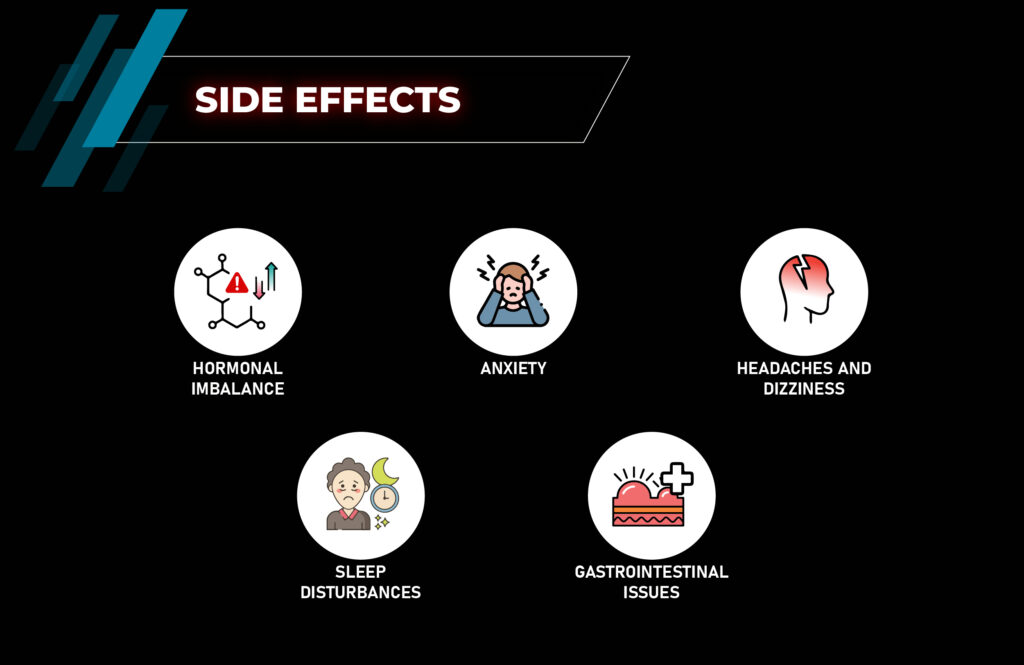
In the clinical trials, pregnenolone was generally well tolerated over 8-12 weeks. Its long-term safety has not been studied. The effects below come mostly from user reports and from what is known about the hormones it turns into, and they are more likely at higher doses.
Hormonal Changes
Because pregnenolone can become androgens, estrogens and progesterone, too much may cause acne, oily skin, hair changes, irritability or changes to the menstrual cycle in women.
Mood Changes and Overstimulation
Some users report feeling anxious, irritable or overstimulated. Pregnenolone acts on the same brain receptor systems as many psychiatric drugs, so people with bipolar disorder or other mood disorders should only use it under psychiatric care.
Headaches and Dizziness
Some users report headaches or dizziness, usually at higher doses. Lowering the dose or stopping is the usual first step.
Sleep Disturbances
Some people find it helps them sleep; others report insomnia or vivid dreams.
Digestive Upset
Nausea or stomach discomfort is occasionally reported.
Who Should Avoid Pregnenolone Supplements?
- Pregnant or breastfeeding women
- People with hormone-sensitive conditions, such as breast, uterine, ovarian or prostate cancer, endometriosis, uterine fibroids or PCOS
- People with bipolar disorder or other mood disorders, unless under psychiatric care
- People on hormone therapy (TRT, HRT or hormonal birth control) or corticosteroids
- Competitive athletes, who should check with their anti-doping body before using any hormone precursor
If you take any medication or have a health condition, speak with a healthcare provider before using pregnenolone.
Choosing a Pregnenolone Supplement
Pregnenolone is sold as capsules, powders and liquids by supplement makers and research-chemical vendors. Two vendors featured on this site, SwissChems and PureRawz, have listed it. Forms, strengths and prices change, so check the current listing before you buy.
SwissChems Pregnenolone
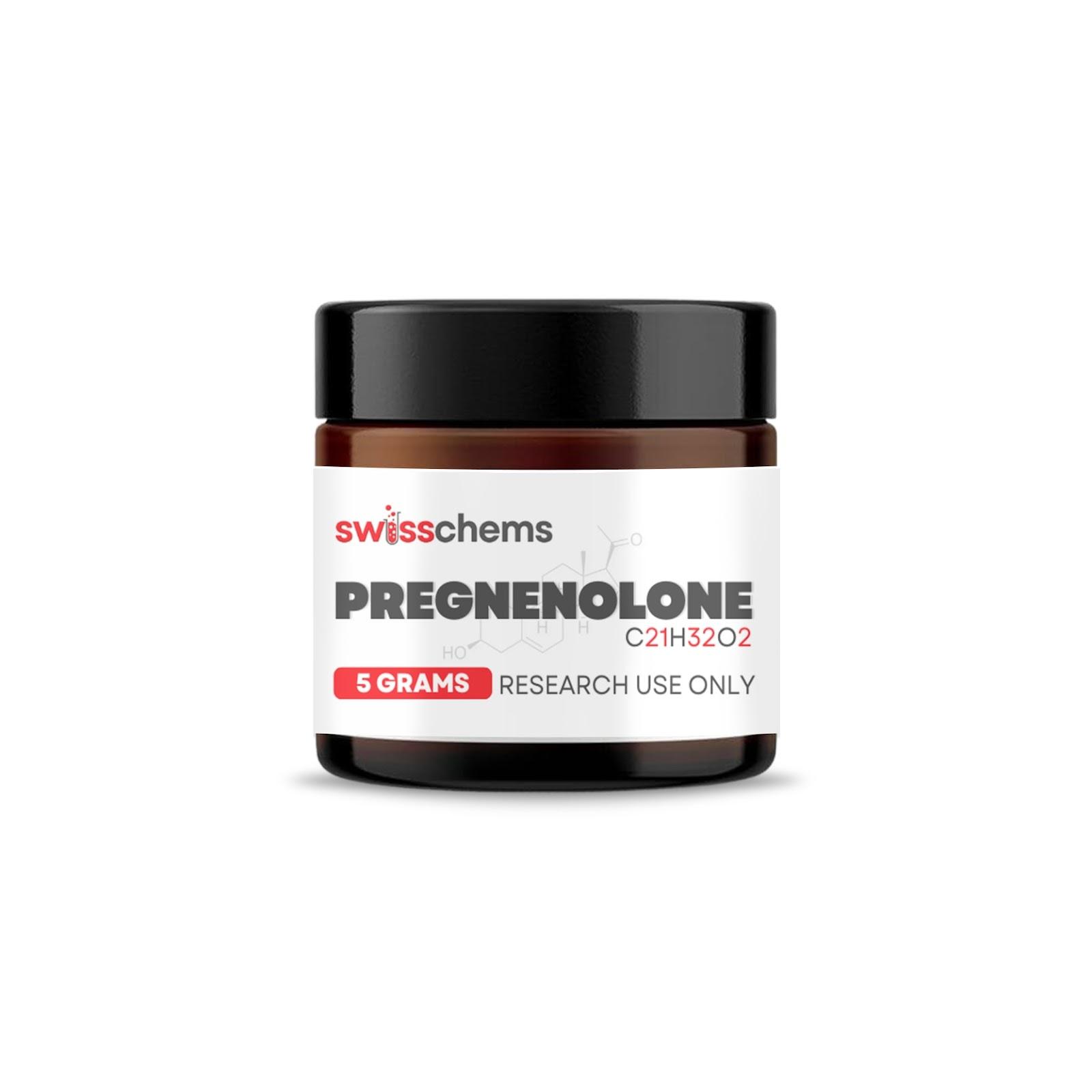
SwissChems has sold pregnenolone as a 5-gram powder. At doses of 10-50 mg, a powder has to be weighed on a milligram scale; a kitchen scale is not precise enough. Read our SwissChems review for more on the vendor.

Pros
- Exceptional purity & testing (≥98%)
- Pharmaceutical-style packaging for stability
- Broad catalog across peptides & nootropics
- Strong reputation & consistency across years
Cons
- Some items frequently out of stock due to high demand
- Limited long-term data for some compounds
PureRawz Pregnenolone

PureRawz has listed pregnenolone in more than one form. Its listing has used the spelling “pregnanolone”. Pregnanolone is a different neurosteroid, so confirm on the label and the certificate of analysis that the product contains pregnenolone.
Pros
- Identifies MZ Biolabs as its testing laboratory, and published reports provide detailed analytical results.
- Orders over $100 qualify for free shipping, which is relatively accessible.
- Published reports include lot numbers and analytical data, making it possible to trace testing to specific samples.
Cons
- US orders are bulk-shipped from the EU before being transferred to USPS, creating an additional logistics step..
- Testing documentation varies by product.
- Undeliverable orders aren't refundable.
Whichever product you choose, look for a clear dose per serving and an independent certificate of analysis for the batch. A certificate shows what is in the product, not that it is safe or effective for you.
The Bottom Line
Pregnenolone is an important hormone precursor, but as a supplement its benefits are mostly unproven in healthy people.
- Pregnenolone is the first steroid made from cholesterol and the starting point for DHEA, progesterone, cortisol, testosterone and estrogen, but extra pregnenolone does not reliably raise any one of them.
- The memory, anti-inflammatory and cannabis-blocking effects are mostly animal data. Small human trials in schizophrenia and bipolar depression show some promise at high doses under medical care.
- Commonly reported doses are 10-50 mg a day. Avoid it in pregnancy and with hormone-sensitive conditions, and check with a doctor if you take hormones or psychiatric medication.
Frequently Asked Questions
Disclaimer
Please read carefully
The information on this site is for educational and informational purposes only, and is not medical advice. Always consult a qualified healthcare professional before using any supplement or medication, or making changes to your health, fitness, or nutrition routine.
Not medical advice
Content here is not a substitute for professional medical advice.
Consult your doctor
Talk to your doctor before starting any supplement or new routine.
Use at your own risk
We are not responsible for adverse effects from acting on this.
Do your research
Make informed decisions about your own health.
No guarantees
Individual results vary. No claims about outcomes.
Important — Never disregard professional medical advice or delay seeking it because of something you read here. If you think you may have a medical emergency, call your doctor or your local emergency number right away.