Contents12 sections
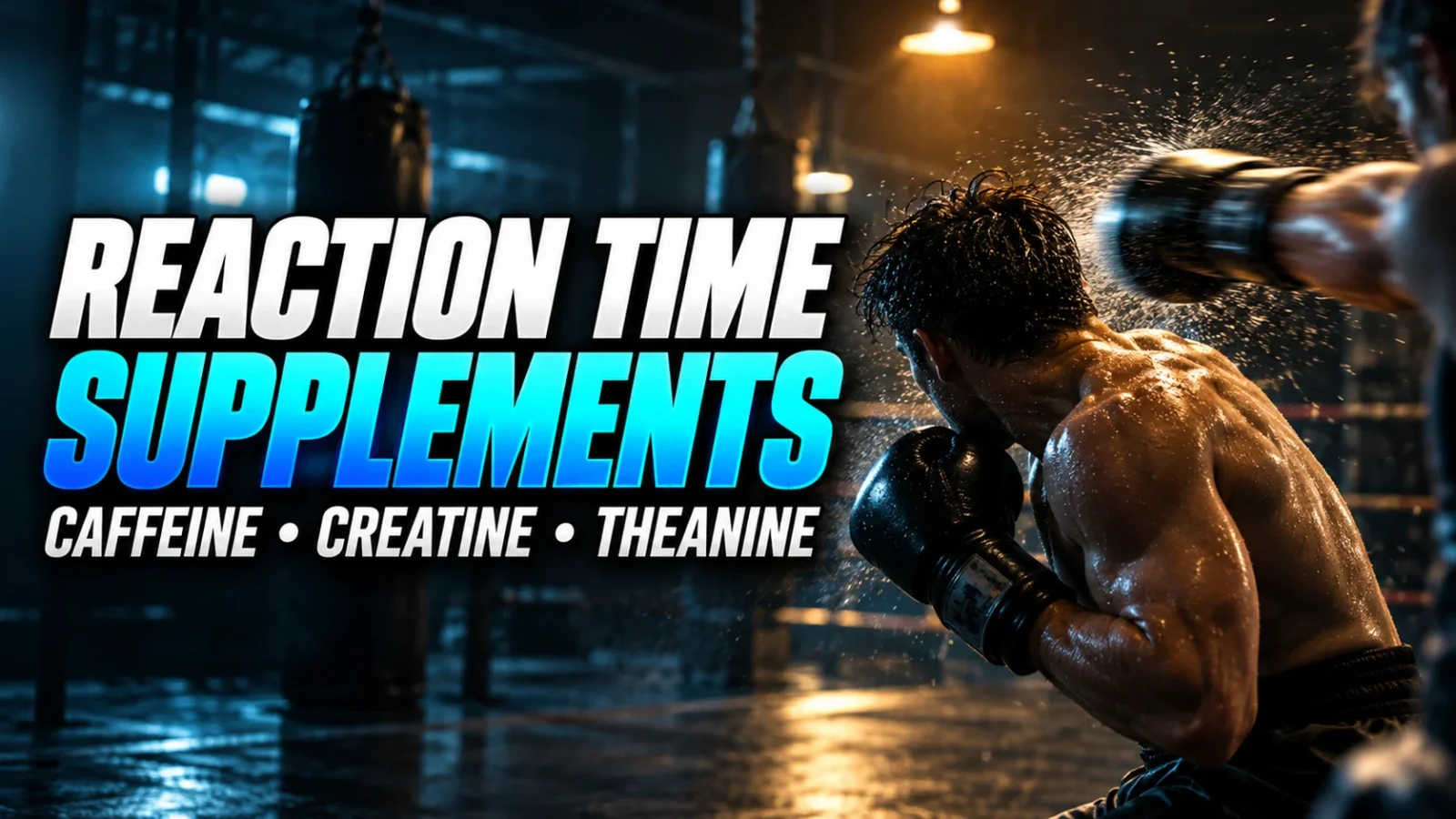
A split-second delay can decide whether you hit the brakes in time, slip a punch or win a gaming duel. Reaction time depends on how quickly your brain notices a signal, chooses a response and sends the command to your muscles, and it gets slower when you are tired, stressed or distracted.
Several supplements have been tested for their effects on reaction speed, attention and mental fatigue. The evidence is strongest for caffeine, especially when paired with L-theanine. Creatine, L-tyrosine and Rhodiola rosea have smaller or more mixed results, and alpha-GPC, CDP-choline (citicoline), Lion’s Mane and omega-3s have the least direct evidence. Most of them work by stopping you from slowing down, not by making a rested brain dramatically faster.
This guide covers how each one works, what the studies actually found, the doses used in research, sensible stacks and the side effects to watch for.
Key Takeaways
- Caffeine has the strongest evidence for faster reactions and better vigilance, especially when you are tired; pairing it with L-theanine improves attention with a smoother feel.
- Creatine modestly shortened processing and attention times in a meta-analysis of randomized trials, with the clearest benefits in people with low creatine intake or short on sleep.
- L-tyrosine and Rhodiola rosea mainly help you hold your performance under stress, cold or sleep loss rather than making a rested brain faster.
- Alpha-GPC, citicoline, Lion’s Mane and omega-3s have limited direct evidence for reaction time in healthy adults; their case rests mostly on mechanism and studies in older adults.
- Supplement gains are small next to sleep, practice and fitness: measure your baseline, add one supplement at a time and keep total caffeine under 400 mg a day.
How Supplements Affect Reaction Time
Before you add anything to your routine, it helps to know what you are trying to change. Simple reaction time, such as pressing a button the moment a light appears, is fairly stable in a rested, alert person, but it slows with fatigue and lapses of attention. Choice reaction time, vigilance and decision speed depend even more on alertness, attention and fatigue, and that is where supplements can make a measurable difference.
Brain Signalling (Acetylcholine)
Alpha-GPC and CDP-choline (citicoline) supply choline, which the brain uses to make acetylcholine, a neurotransmitter involved in attention, learning and memory. Citicoline also provides cytidine, which the body uses to build the phospholipids in brain cell membranes, and animal studies suggest it raises dopamine levels in some brain areas. More choline does not automatically mean faster reactions, but it is the rationale behind both supplements.
Brain-to-Muscle Signalling (Neuromuscular Function)
Acetylcholine is also the chemical messenger that tells muscles to contract at the neuromuscular junction. That is why alpha-GPC is popular with athletes. Small studies suggest it may help power output, but there is little direct evidence that it shortens physical reaction time.
Holding Up Under Stress and Fatigue
L-tyrosine is an amino acid the body uses to make dopamine and norepinephrine. During acute stress, such as cold, sleep loss or heavy multitasking, these neurotransmitters can run low, and studies suggest tyrosine helps maintain working memory and attention in those conditions. N-acetyl L-tyrosine (NALT) is often sold as a better-absorbed form, but human data suggest much of it is excreted unchanged and it raises blood tyrosine less than plain L-tyrosine. Rhodiola rosea is an adaptogenic herb studied mainly for stress-related fatigue.
Brain Energy (Creatine)
The brain uses a large share of the body’s energy. Creatine is stored as phosphocreatine, which quickly regenerates ATP, the cell’s energy currency, in both muscle and brain. Supplementing raises brain creatine, though more slowly and to a smaller degree than in muscle, and the effect on thinking speed appears largest when energy demand is high or dietary creatine intake is low.
Calm but Alert Focus (Caffeine and L-Theanine)
Caffeine blocks adenosine, a chemical that builds up during waking hours and makes you feel tired, which raises alertness and reaction speed. L-theanine, an amino acid found in tea, is associated with a calm, relaxed state without sedation. Placebo-controlled trials of the two together have found better attention and task switching than placebo, and many users report fewer jitters than with caffeine alone.
These supplements act in different ways, and none of them replaces the basics. Sleep, practice at the specific skill and overall fitness have larger effects on reaction time than any capsule.
Benefits of Optimizing Reaction Time
Small improvements in reaction speed and decision-making carry over to many areas of life:
- Sports and combat sports, where milliseconds decide whether you react to a ball, a pass or a punch
- Gaming and esports, which reward both quick reactions and accurate decisions
- Driving, where alertness and attention matter as much as raw speed
- Work and study, where sustained focus and fewer lapses mean fewer mistakes
- Training or competing while tired, stressed or short on sleep, when performance normally drops
In practice, the biggest gains from supplements come from preventing the slowdown caused by fatigue, stress and poor sleep, rather than from turning a rested brain into a faster one.
Best Supplements for Reaction Time (Evidence-Rated)
The supplements below have been studied for reaction time, attention or mental fatigue. The strength of the evidence varies a lot, so the table rates each one for reaction time specifically. Doses are those used in studies or commonly reported, not personal advice.
| Supplement | What It May Help | Evidence for Reaction Time | Doses Used in Studies |
|---|---|---|---|
| Caffeine + L-theanine | Alertness, attention, task switching | Strong for caffeine; moderate for the combination | 40–150 mg caffeine with 50–250 mg L-theanine |
| Creatine monohydrate | Processing speed, memory, mental fatigue | Moderate (meta-analysis of small trials) | 3–5 g daily |
| L-tyrosine | Working memory and attention under stress | Moderate, but only under stress or sleep loss | About 2 g, up to 100–150 mg/kg in military studies |
| Rhodiola rosea | Stress-related fatigue | Limited to moderate | About 170–600 mg of extract daily |
| CDP-choline (citicoline) | Attention, psychomotor speed | Limited | 250–500 mg daily; up to 2,000 mg in clinical studies |
| Alpha-GPC | Power output; cognition in older adults | Limited | 200–600 mg; up to 1,200 mg in clinical studies |
| Lion’s Mane | Cognition in older adults | Very limited | About 1–3 g daily |
| Omega-3 (DHA/EPA) | Long-term brain health | Mixed | 1–2 g EPA + DHA daily |
1. Alpha-GPC

Benefits
- Supplies choline for acetylcholine, the neurotransmitter used for attention and for signalling muscles to contract
- Studied mainly for power output in athletes and for cognition in older adults with memory decline

What the Research Shows
- In a small pilot study published as a conference abstract, 600 mg taken 90 minutes before training increased peak bench press force by about 14% compared with placebo
- A second small placebo-controlled trial found better lower-body isometric strength after six days of 600 mg a day
- In people with mild to moderate Alzheimer’s disease, 1,200 mg a day improved cognitive test scores over six months. Trials of alpha-GPC on reaction time in healthy young adults are scarce, so its case for reaction time is still mostly theoretical
Doses Used in Studies
- Studies in athletes: 200–600 mg, often 600 mg taken 60–90 minutes before activity
- Clinical studies in older adults: up to 1,200 mg daily, split into several doses
For a closer look at forms, products and dosing, see our guide to the best Alpha GPC supplement.

Pros
- Exceptional purity & testing (≥98%)
- Pharmaceutical-style packaging for stability
- Broad catalog across peptides & nootropics
- Strong reputation & consistency across years
Cons
- Some items frequently out of stock due to high demand
- Limited long-term data for some compounds
2. CDP-Choline (Citicoline)

Benefits
- Supplies both choline and cytidine, building blocks for acetylcholine and brain cell membranes
- Animal studies suggest it raises dopamine levels in some brain areas, which is linked to attention and motivation

What the Research Shows
- In a small human study, citicoline improved measures of vigilance and visual working memory
- A 28-day placebo-controlled trial in healthy adolescent boys found better attention and faster finger-tapping (psychomotor) speed with 250 or 500 mg a day
- Most other trials were done in older adults with memory complaints or in stroke patients; the Alzheimer’s Drug Discovery Foundation’s evidence summary reviews this research
Doses Used in Studies
- Healthy adults: 250–500 mg daily
- Clinical studies: 500–2,000 mg daily, under medical supervision
In some countries citicoline is a prescription medicine, including injectable forms. Read more about it on our citicoline compound page.
3. L-Tyrosine
Benefits
- Building block for dopamine and norepinephrine, which drive alertness and focus
- Most useful during acute stress, cold, sleep deprivation or heavy multitasking

What the Research Shows
- A review of tyrosine studies concluded that it can help maintain working memory and cognitive control during short, demanding or stressful situations, but shows little benefit when there is no stressor
- Studies in soldiers exposed to cold, altitude or sleep deprivation found tyrosine reduced the usual drop in mental performance
- N-acetyl L-tyrosine (NALT) is marketed as better absorbed, but it raises blood tyrosine less than plain L-tyrosine
Doses Used in Studies
- Common supplement range: 500–2,000 mg
- Studies: single doses of about 2 g, or 100–150 mg per kg of body weight in military research, taken shortly before the demanding task
- Often taken away from protein-rich meals, since other amino acids compete for uptake into the brain
4. Caffeine + L-Theanine

Benefits
- Caffeine increases alertness, vigilance and reaction speed, especially when you are tired
- L-theanine smooths out the stimulant feel, and the pair improves attention and task switching

What the Research Shows
- Reviews of caffeine research, including military studies, consistently find that doses of roughly 40–300 mg improve vigilance, attention and reaction time, with the largest effects in people who are sleep-deprived
- In a placebo-controlled trial, 97 mg L-theanine with 40 mg caffeine improved accuracy on a task-switching test and increased self-rated alertness
- Another placebo-controlled trial using 250 mg L-theanine with 150 mg caffeine found faster simple reaction time and faster working-memory responses
Doses Used in Studies
- Commonly used ratio: about 2:1 L-theanine to caffeine
- Commonly reported doses: 100–200 mg L-theanine with 50–100 mg caffeine, 30–60 minutes before performance
- Total caffeine from all sources: under 400 mg a day for healthy adults, the amount the FDA says is not generally linked to dangerous effects
5. Creatine Monohydrate

Benefits
- Raises brain creatine and phosphocreatine, a quick backup supply of ATP for active brain cells
- May improve memory, attention and processing speed, especially under fatigue or sleep loss

What the Research Shows
- A 2024 meta-analysis of randomized trials found creatine shortened the time needed for information-processing tasks (SMD = -0.51) and attention tasks (SMD = -0.31), and modestly improved memory; the included trials were small
- The benefit looks clearest in people with low creatine intake: in a trial in young vegetarians, 5 g a day for six weeks improved working memory and reasoning scores. Studies during sleep deprivation also point to a protective effect
Doses Used in Studies
- Standard dose: 3–5 g daily, at any time of day
- Optional loading phase: 20 g daily, split into four doses, for 5–7 days
Creatine monohydrate is the most studied form; see our picks of creatine monohydrate powders.

Pros
- Catalog is specifically organized around muscle building, fat loss, testosterone support, and workout performance.
- Range includes creatine, protein, EAAs, beta-alanine, and L-citrulline alongside more specialized formulas.
- Orders of $99+ qualify for free US shipping.
Cons
- Features several strong claims around muscle growth, testosterone, fat loss, and metabolic effects that should be distinguished from independently demonstrated clinical outcomes
- Heavily oriented toward bodybuilding and performance rather than broader nutritional supplementation.
6. Rhodiola Rosea
Benefits
- Adaptogenic herb studied for stress-related fatigue and mental performance
- May help keep focus and reactions steady during long, demanding tasks

What the Research Shows
- Placebo-controlled research has found that Rhodiola shortened reaction time and total response time in physically active young men, and reduced fatigue in people under stress, such as students at exam time and doctors and cadets on night duty
- The European Medicines Agency recognises Rhodiola as a traditional herbal medicine for the temporary relief of stress symptoms such as fatigue, based on long-standing use rather than strong trial evidence
Doses Used in Studies
- About 170–600 mg daily of a standardized extract
- Often taken in the morning, as it can feel stimulating and may disturb sleep if taken late
If stress is what slows you down, see also our guide to the best supplements to reduce cortisol.
7. Lion’s Mane Mushroom

- Contains compounds (hericenones and erinacines) that stimulate nerve growth factor in cell and animal studies
- In one small placebo-controlled Japanese trial, older adults with mild cognitive impairment scored better on cognitive tests after 16 weeks of about 3 g a day; the benefit faded after they stopped
- There is no direct evidence that it speeds up reaction time in healthy people, so treat it as a long-term brain-health choice rather than a pre-performance supplement
8. Omega-3 Fatty Acids (DHA/EPA)

- DHA is a major structural fat in brain cell membranes, where it supports normal nerve signalling
- Results for reaction time in healthy adults are mixed: some trials in young adults report faster memory responses with DHA, while many find no effect. People who rarely eat oily fish have the most to gain
- Commonly used doses: 1–2 g of combined EPA and DHA daily, taken with a meal for better absorption
Best Supplement Stacks for Reaction Time
Stacking can make sense when ingredients work in different ways. Keep in mind that these combinations have not been tested as complete stacks; they combine doses used for each ingredient on its own. They are meant for healthy adults; anyone under 18 should skip them and focus on sleep, nutrition and training.
Athlete Stack
Alpha-GPC (600 mg) + Creatine (5 g) + L-Tyrosine (1 g)
Aimed at power output, mental energy and staying sharp late in a session or game. Useful in sports such as baseball, tennis or combat sports, where reacting to a fast-moving ball or opponent decides the outcome.
Timing: Alpha-GPC and tyrosine 60–90 minutes before training or competition. Creatine works through daily use, so its timing does not matter. Stay well hydrated and eat a proper meal beforehand.
Gamer/Esports Stack
CDP-Choline (500 mg) + Caffeine (100 mg) + L-Theanine (200 mg) + Omega-3 (1 g)
A smoother alternative to high-caffeine energy drinks, aimed at steady attention and decision speed during long sessions.
Timing: Caffeine, L-theanine and citicoline 30–60 minutes before a session, tournament or focused work block. Omega-3 is a daily supplement taken with a meal, not a pre-session one.
Burnout Recovery Stack
Rhodiola (400 mg) + L-Tyrosine (1 g) + Lion’s Mane (1 g)
Aimed at people under prolonged stress, heavy workloads or short sleep who notice their focus and reactions slipping during the day.
Timing: In the morning, as Rhodiola and tyrosine can feel stimulating. If burnout symptoms last for weeks, see a doctor; supplements do not fix chronic sleep loss or overtraining.
Cycling and Tolerance Management
Do You Need to Cycle?
Tolerance is a real issue for caffeine. With daily use the body adapts, and part of the lift that habitual users feel from their morning coffee is relief from withdrawal. For most other supplements on this list there is little evidence of tolerance, so breaks are a cautious habit rather than a requirement.
Common Cycling Approaches
- Caffeine: keep daily intake moderate and save higher doses for days that matter, or take 1–2 caffeine-free days a week to limit tolerance
- Adaptogens (Rhodiola): many users take it for 4–6 weeks, then 1–2 weeks off
- Choline sources (Alpha-GPC, CDP-Choline): some users take 8–12 weeks on and 2–4 weeks off, although there is no clear evidence of tolerance
- Creatine: no cycling needed; long-term daily use has been well studied in healthy adults
These are rules of thumb from user practice, not protocols tested in trials. Track how you respond and adjust.
Practical Application Guidelines
Dosing Strategies

- Start with the lowest dose used in studies and increase only if needed
- Add one new supplement at a time so you can tell what works
- Older adults and anyone with a medical condition or on medication should check with a doctor first; these supplements are not meant for children or teenagers
- Track how long each supplement takes to kick in and how long the effects last
Timing Optimization

- Caffeine, L-theanine, tyrosine and alpha-GPC act within 30–90 minutes, so time them for training, exams or game sessions
- Creatine, omega-3 and Lion’s Mane work through daily use, so timing matters less
- Take omega-3 with a meal that contains some fat for better absorption
- Avoid caffeine in the 6–8 hours before bed. Its half-life is roughly 3–7 hours in most adults, and in one sleep-lab study 400 mg taken six hours before bed still cut total sleep by about an hour
Measurement and Tracking

- Use a simple reaction-time test, such as an online click test or a psychomotor vigilance test app, to measure your baseline over a week
- Test at the same time of day and average several attempts, since scores vary from one attempt to the next
- Note outside factors that affect results, such as sleep, stress, caffeine habits and nutrition
- Look beyond test scores: track performance in real situations such as training, games or complex work tasks
Measuring reaction time, rather than guessing, shows you whether a supplement is worth paying for. Expect small changes, not dramatic jumps.
Side Effects to Watch For
Most of these supplements are well tolerated at the doses used in studies. Side effects become more likely with high doses, stimulant stacking or long-term use without breaks.
- Caffeine: anxiety, restlessness, insomnia, a racing heart and stomach upset, plus withdrawal headaches if you stop suddenly. Pregnant women are usually advised to stay below 200 mg a day, and people with heart rhythm problems or anxiety disorders may do better with less or none.
- Choline sources (Alpha-GPC, CDP-Choline): headaches, dizziness, low blood pressure or stomach upset. Very high choline intake can cause a fishy body odor; the upper limit for total choline is 3.5 g a day for adults. A large Korean observational study linked long-term alpha-GPC use to a higher risk of stroke. It cannot prove cause, but it is a reason not to take high doses indefinitely.
- L-Tyrosine: usually well tolerated, though nausea and headache are possible. It is a building block for thyroid hormones, so people with an overactive thyroid or on thyroid medication should check with a doctor, and it should not be combined with MAO inhibitors or levodopa without medical advice.
- Rhodiola: some people notice dizziness, dry mouth, irritability or trouble sleeping, especially if it is taken late in the day.
- Omega-3: fishy aftertaste and stomach upset; high doses may raise bleeding risk in people taking blood thinners.
- Stacking stimulants: combining caffeine with energy drinks, pre-workouts or fat burners can push your total intake far higher than you realise, leading to jitters, crashes, poor sleep and a racing heart.
Everyone responds differently, so stop taking a supplement if you notice side effects.
Smart Use
These supplements are not a cure-all. At best they support your brain’s natural abilities; they do not replace healthy habits.
- Start low and go slow, and use the lowest dose that works.
- Don’t stack too many stimulants. More does not mean better.
- Expect small gains: a supplement may shave milliseconds off a tired reaction, but it cannot make up for poor sleep.
- Build on the basics: quality sleep, good nutrition, regular exercise and skill-specific practice, such as drills, sparring or game time, do most of the work.
- Consult a healthcare provider before starting any new supplement, especially if you have a medical condition, take medication, or are pregnant or breastfeeding.
Used this way, the right supplement can help you stay sharp when it matters, and tracking your results tells you whether it is worth keeping. If focus is your main goal, see our guide to the best nootropics for focus.
The Bottom Line
Supplements can sharpen reaction time, mostly by keeping you from slowing down when you are tired or stressed, and the gains are small next to sleep and practice.
- Caffeine has the best evidence for faster reactions and better vigilance, and pairing it with L-theanine improves attention with a smoother feel. Keep total caffeine under 400 mg a day and away from bedtime.
- Creatine, L-tyrosine and Rhodiola have moderate evidence, mostly under fatigue, stress or sleep loss. Alpha-GPC, citicoline, Lion’s Mane and omega-3s have thinner evidence for reaction time in healthy adults.
- Start with one supplement at a low dose, measure your reaction time before and after, and check with a healthcare provider if you have a medical condition or take medication.
Frequently Asked Questions
Disclaimer
Please read carefully
The information on this site is for educational and informational purposes only, and is not medical advice. Always consult a qualified healthcare professional before using any supplement or medication, or making changes to your health, fitness, or nutrition routine.
Not medical advice
Content here is not a substitute for professional medical advice.
Consult your doctor
Talk to your doctor before starting any supplement or new routine.
Use at your own risk
We are not responsible for adverse effects from acting on this.
Do your research
Make informed decisions about your own health.
No guarantees
Individual results vary. No claims about outcomes.
Important — Never disregard professional medical advice or delay seeking it because of something you read here. If you think you may have a medical emergency, call your doctor or your local emergency number right away.