
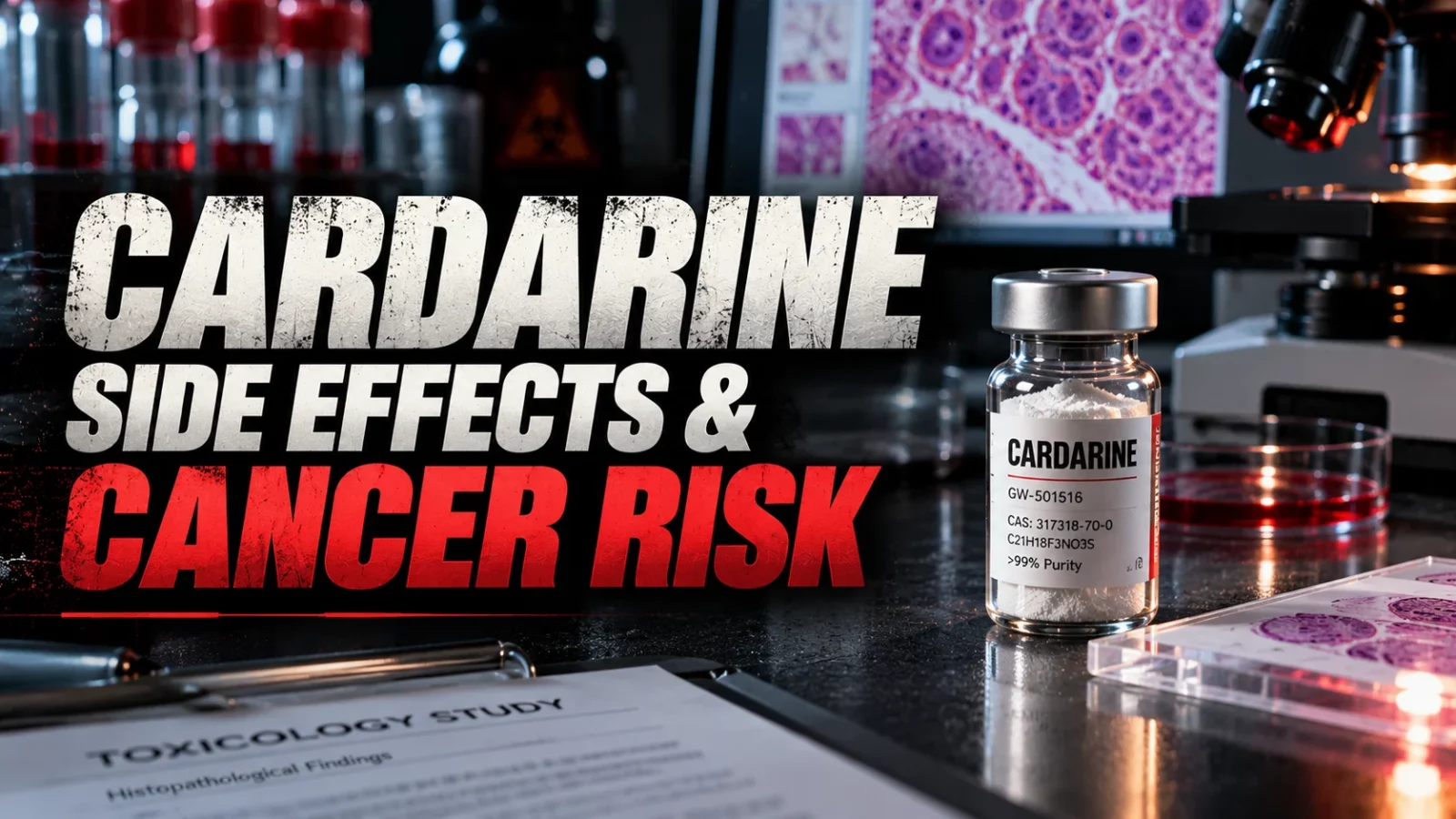
Cardarine Side Effects: 10 Risks You Should Be Aware Of

Cardarine Side Effects

Curious about Cardarine side effects? You’re not alone. If you’re diving into the world of performance enhancers, you’ve probably heard about Cardarine’s legendary benefits—enhanced endurance, fat loss, and more.

But there’s a flip side, and it’s not all sunshine and gains.

For anyone serious about their health, the big question isn’t just “What can Cardarine do for me?” but also “What could it do to me?”

You want results without nasty surprises, right? That’s where we come in. In this article, we’re breaking down the good, the bad, and yes, the ugly when it comes to Cardarine.

We’ll guide you through the side effects and show you smart ways to dodge them. Ready to level up your knowledge and keep your gains? Let’s get into it.

Key Takeaways

  • Cardarine offers impressive fat loss and endurance benefits, but it’s crucial to use it wisely. 🏋️‍♂️
  • Understanding and avoiding potential side effects is key to safe Cardarine use. ⚠️
  • Starting with a lower dose and monitoring your body’s response can minimize risks. 🔍
  • Cardarine stacks well with SARMs and other supplements for enhanced results. 🔗
  • Always follow proper cycle lengths and take breaks to keep your body in balance. ⏳

What is Cardarine?

So, what exactly is Cardarine? Let’s clear the fog. Cardarine, also known as GW501516, isn’t a SARM (Selective Androgen Receptor Modulator), though many people lump it into that category.

It’s actually a PPARδ receptor agonist—fancy term, I know—but what it means is that Cardarine activates specific receptors in your cells that play a key role in energy regulation and fat burning.

Cardarine was originally developed in the 1990s by pharmaceutical companies hoping to find a cure for metabolic and cardiovascular diseases.

While it didn’t quite make it as a prescription drug, the fitness community quickly caught on to its performance-enhancing potential.

So, how does it work?

When you take Cardarine, it kicks your metabolism into high gear. It tells your body to burn fat for energy instead of carbs, which is why it’s so popular among athletes and bodybuilders looking to shred fat without losing muscle.

But remember, just because it’s popular doesn’t mean it’s without risks. Before you jump on the Cardarine train, keep reading to learn what you might be in for.

10 Cardarine Side Effects To Watch Out For

Side EffectDescription
Liver ToxicityPotential liver strain or damage from prolonged use. 🏥
Increased Risk of CancerEarly studies suggest a risk of cancer, mainly from high doses in animals. 🚨
Heart IssuesPossible heart problems due to oxidative stress and inflammation. ❤️
Digestive ProblemsNausea, stomach cramps, and other gastrointestinal issues. 🤢
Fatigue and LethargyUnexpected tiredness despite its endurance benefits. 😴
Sleep DisturbancesDifficulty falling or staying asleep due to metabolic stimulation. 💤
HeadachesMild to severe headaches, possibly from changes in blood flow or pressure. 🤕
Skin ReactionsRashes, itching, or other skin irritations. 🌟
Hormonal ImbalancesChanges in hormone levels, leading to mood swings or acne. ⚖️
Kidney StrainPotential strain on kidneys, affecting their ability to filter waste. 🧪

You’ve heard the good stuff about Cardarine, but what about the not-so-good? Before you dive in, it’s crucial to understand the potential risks. 

Here are the top 10 Cardarine side effects you need to know about.

1. Liver Toxicity

One of the biggest concerns with Cardarine is its potential impact on your liver. Although research is limited, some studies suggest that prolonged use might cause liver toxicity. 

Your liver is a powerhouse for detoxifying your body, and stressing it out with substances like Cardarine could lead to serious health problems. 

While Cardarine isn’t as notorious as some oral steroids when it comes to liver damage, it’s not entirely off the hook either.

2. Increased Risk of Cancer

This one’s a major red flag. Early animal studies hinted that Cardarine might increase the risk of cancer, particularly in organs like the liver, stomach, and bladder. 

Now, these studies were conducted on rodents, and the dosages were much higher than what a human would typically take, but the risk is still there.

If you’re concerned about long-term health, this is a side effect you can’t ignore.

3. Heart Issues

Cardarine is known for boosting endurance, but what about your heart? While Cardarine can improve cardiovascular performance, there’s a catch. 

Over time, it could potentially lead to heart problems. Some studies have raised concerns about its effect on heart tissue, particularly in relation to oxidative stress and inflammation. 

If your heart isn’t in top shape to begin with, Cardarine might do more harm than good.

4. Digestive Problems

Not everyone talks about this one, but digestive issues are a real possibility with Cardarine. Some users report nausea, stomach cramps, and other gastrointestinal problems. 

The exact cause isn’t well understood, but it’s likely due to how Cardarine interacts with your body’s metabolism. 

If your stomach starts acting up after you start a Cardarine cycle, don’t be too surprised.

5. Fatigue and Lethargy

It’s ironic that something known for boosting endurance could also make you feel tired, but that’s exactly what some users experience. 

Fatigue and lethargy can creep in, especially if you’re pushing your body too hard while using Cardarine. This side effect can be frustrating, particularly if you’re expecting an energy boost. 

Your body might be telling you it needs a break, so listen up.

6. Sleep Disturbances

Struggling to get a good night’s sleep? Cardarine might be to blame. Some users report difficulty falling asleep or staying asleep while on Cardarine. 

This could be due to its stimulating effects on your metabolism, which might keep your body too revved up to relax. 

Poor sleep can lead to a whole host of other problems, including mood swings and weakened immune function, so it’s something to watch out for.

7. Headaches

Headaches are another common complaint among Cardarine users. They can range from mild to severe, and while they usually subside as your body adjusts, they’re still a pain—literally. 

The exact cause isn’t clear, but it could be linked to changes in blood flow or blood pressure. If you’re prone to headaches, Cardarine might make them worse.

8. Skin Reactions

Your skin might not love Cardarine as much as your muscles do. Some users report rashes, itching, or other skin irritations. 

These reactions could be due to an allergic response or simply how your body metabolizes the compound. 

While not as severe as some other side effects, skin reactions can be uncomfortable and annoying, especially if you’re sensitive to supplements in general.

9. Hormonal Imbalances

Cardarine isn’t supposed to mess with your hormones, but that doesn’t mean it’s completely off the hook. Some users report changes in hormone levels, particularly when it comes to estrogen and testosterone

This can lead to symptoms like mood swings, acne, and even gynecomastia (man boobs) in extreme cases. 

If you notice any hormonal weirdness while using Cardarine, it’s a sign to reassess your cycle.

10. Kidney Strain

Finally, let’s talk about your kidneys. While not as commonly discussed as liver toxicity, kidney strain is another potential risk with Cardarine. 

Your kidneys are responsible for filtering waste out of your blood, and overloading them with substances like Cardarine could lead to problems down the road. 

Staying hydrated and monitoring your kidney function is crucial if you’re using Cardarine regularly.

How to Avoid Cardarine Side Effects

How to avoid Cardarine side effects

Alright, now that we’ve covered the potential downsides of Cardarine, let’s talk about how to steer clear of them. Nobody wants to deal with headaches, fatigue, or worse. So, how can you enjoy the benefits of Cardarine without the baggage? Here’s how.

1. Get the Dosage Right

First things first—dosage matters. A lot. It might be tempting to push the limits and take more for faster results, but that’s a rookie mistake. 

The sweet spot for Cardarine is usually around 10-20 mg per day. Going beyond that not only increases the risk of side effects but might also do more harm than good. 

Start low and see how your body reacts before considering any increases.

2. Keep Your Cycle in Check

Next up, let’s talk about cycle length. Running Cardarine for too long can ramp up the chances of running into problems. 

Most users find that a cycle of 6-8 weeks works well, giving you enough time to see results without overtaxing your body. After your cycle, take a break—typically the same length as your cycle—to let your body reset. 

This downtime is crucial for avoiding long-term issues like liver toxicity or hormonal imbalances.

3. Don’t Skip PCT

Even though Cardarine isn’t a SARM, and technically doesn’t mess with your hormones like some other compounds do, a Post-Cycle Therapy (PCT) can still be a smart move. 

It helps your body get back to its natural rhythm, especially if you’re stacking Cardarine with other supplements. 

PCT supports your liver, balances your hormones, and generally makes the transition off a cycle smoother and safer.

4. Watch Your Diet

Believe it or not, what you eat plays a big role in how well your body handles Cardarine. A clean, balanced diet packed with nutrients can help minimize side effects. 

Focus on foods that support liver health, like leafy greens, garlic, and berries. Also, make sure you’re getting enough protein to preserve muscle mass while you’re cutting fat. And hydration? It’s non-negotiable. 

Drink plenty of water to help your kidneys flush out any toxins.

5. Train Smart, Recover Smarter

Exercise is essential with Cardarine, but balance is key to avoid overtraining and maximize benefits.

Cardarine enhances endurance, making you feel unstoppable, but your body still needs time to recover properly.

Pay attention to your body. If you feel drained or sore, ease up. Recovery is just as vital as training.

Rest days help prevent fatigue, burnout, and other unwanted side effects, so make them part of your routine.

6. Monitor Your Health

Lastly, keep tabs on your health. Regular check-ups can help catch any potential issues before they become serious. 

If you’re noticing anything off—whether it’s persistent headaches, digestive problems, or sleep disturbances—don’t ignore it. 

Adjust your dosage, take a break, or consult with a healthcare professional. It’s always better to be safe than sorry.

Benefits of Cardarine

Benefits of Cardarine

So, why do so many people swear by Cardarine? It’s not just hype—there are real benefits that make it a go-to choice for athletes, bodybuilders, and fitness enthusiasts. 

Here are 5 key perks that have boosted Cardarine’s popularity.

Enhanced Fat Loss

One of the top reasons people turn to Cardarine is for fat loss. It works by activating your body’s fat-burning pathways, making it easier to shed unwanted pounds. 

Unlike some other fat burners, Cardarine targets fat without stripping away muscle, which is a game-changer for anyone looking to get lean without losing their hard-earned gains.

Improved Endurance

Cardarine is legendary for boosting endurance. Whether you’re a runner, cyclist, or just someone who wants to push harder in the gym, this compound can give you that extra edge. 

By increasing your body’s ability to use oxygen efficiently, Cardarine helps you train longer and at higher intensities without feeling gassed out.

Better Cardiovascular Health

Cardarine isn’t just about looking good; it’s about feeling good too. It has been shown to improve cardiovascular health by reducing bad cholesterol levels and increasing good cholesterol. 

This makes it a popular choice for anyone looking to protect their heart while enhancing their athletic performance.

Preservation of Muscle Mass

Worried about losing muscle while cutting fat? Cardarine has your back. One of its standout benefits is the preservation of muscle mass during fat loss. 

This means you can achieve a lean, shredded physique without sacrificing your muscle. For bodybuilders and athletes, this is a huge advantage.

Reduced Inflammation

Lastly, Cardarine has anti-inflammatory properties that can help reduce inflammation in the body. This is particularly beneficial for athletes who are constantly pushing their limits, as it can aid in recovery and reduce the risk of injury. 

Less inflammation means you can train harder and recover faster, which contributes to better overall performance.

Forms of Cardarine

Forms of Cardarine - Capsules, Liquid and Powder

When it comes to using Cardarine, you’ve got a few options. It’s available in different forms, each with its own set of pros and cons. Here’s a quick rundown of the most common forms of Cardarine and what you can expect from each.

Capsules

Capsules are probably the most convenient form of Cardarine. They’re easy to take, and you don’t have to worry about measuring out doses. 

Just pop a pill, and you’re good to go. Capsules are also a great option if you’re traveling or need to take your dose on the go. The downside? They can be a bit more expensive compared to other forms.

Liquid

Liquid Cardarine is another popular option. It’s usually more affordable than capsules and allows for more precise dosing. 

If you need to adjust your dose slightly, liquid gives you that flexibility. However, the taste can be off-putting for some, and it’s a bit less convenient to take than capsules—especially if you’re out and about.

Powder

Powder form is typically the least expensive option and is often favored by those who like to mix their supplements into shakes or other beverages. The biggest advantage of powder is cost-effectiveness and versatility. 

On the flip side, it requires more effort to measure out the correct dose, and like liquid, the taste might not be great. Plus, if you’re not careful, it’s easy to spill or waste.

Cardarine Dosage

When it comes to getting the most out of Cardarine, the right dosage is everything. Whether your goal is fat loss, enhanced endurance, or overall performance, dialing in your dosage can make all the difference.

If your primary goal is fat loss, a typical Cardarine dosage falls between 10-15 mg per day. This range helps your body efficiently burn fat without compromising muscle. Most users start at the lower end—10 mg per day—and then gradually increase if needed. It’s all about finding that sweet spot where you’re seeing results without side effects.

If you’re looking to boost endurance, a slightly higher dose of around 15-20 mg per day is common. This dosage helps maximize Cardarine’s ability to improve your stamina and cardiovascular performance. Again, starting at 10 mg and slowly increasing your dose allows your body to adjust, minimizing any potential side effects.

No matter your goal, it’s crucial to start with a lower dose and see how your body responds. Everyone’s different, and what works for one person might not work for another. 

Starting low also reduces the risk of side effects and gives you a chance to gauge how Cardarine affects you.

As for cycle length, most users find that a 6-8 week cycle works best. This duration allows you to reap the benefits of Cardarine while minimizing the risk of long-term side effects. 

After completing a cycle, it’s recommended to take an equal amount of time off—if you ran an 8-week cycle, take an 8-week break before starting again. This break helps your body recover and keeps everything in balance.

Best Cardarine Stacks

For those looking to get even more out of Cardarine, stacking it with other compounds can be a game-changer. 

Whether you’re looking to amplify fat loss, boost endurance, or support muscle gains, there are stacks that can help you hit your targets.

Cardarine and SARMs

One of the most popular combinations is Cardarine with SARMs (Selective Androgen Receptor Modulators). For instance, stacking Cardarine with Ostarine (MK-2866) can enhance fat loss while also preserving muscle mass. 

This combo is great for cutting phases when you want to get lean without losing your hard-earned muscle. Another powerful stack is Cardarine with Andarine (S4), which is known for boosting strength and endurance—perfect for athletes and those focused on performance.

Cardarine and Nootropics

Looking to boost both your body and mind? Try stacking Cardarine with nootropics like Alpha-GPC or Rhodiola Rosea. 

These compounds support cognitive function and mental clarity, helping you stay focused and sharp during intense training sessions. This stack is particularly useful for those who need to stay mentally sharp while pushing their physical limits.

Cardarine and Other Supplements

For a well-rounded approach, you might consider stacking Cardarine with other supplements like creatine or BCAAs (Branched-Chain Amino Acids). 

Creatine can help boost strength and muscle size, while BCAAs support muscle recovery and reduce fatigue. Together with Cardarine, these supplements can help you achieve a balanced and effective fitness regimen. Ultimately, the best Cardarine stack depends on your individual goals and preferences.

Whether you’re focused on fat loss, endurance, mental clarity, or overall health, there’s a stack that can help you reach your goals faster and more efficiently.

Final Thoughts on Cardarine

Cardarine is a powerful fitness enhancer, boosting fat loss, endurance, and muscle preservation.

However, it comes with risks. Understanding side effects and learning to avoid them is vital for safe use. Stick to recommended dosages, monitor cycle lengths, and make smart lifestyle choices to reduce potential downsides.

Whether you stack it with SARMs, pair it with natural supplements, or use it alone, Cardarine can transform your fitness game.

The secret? Use it wisely and responsibly to achieve the best results.

Is Cardarine a SARM?

No, Cardarine is often mistaken for a SARM, but it’s actually a PPARδ receptor agonist, which means it works differently from SARMs.

Can Cardarine cause cancer?

While there have been animal studies suggesting a potential cancer risk, there’s no conclusive evidence in humans. It’s important to weigh the risks and benefits carefully.

How long should a Cardarine cycle be?

A typical Cardarine cycle lasts 6-8 weeks, followed by an equal amount of time off to allow your body to recover.

Can I stack Cardarine with other supplements?

Yes, Cardarine is often stacked with SARMs, nootropics, and other supplements to enhance its effects, depending on your fitness goals.

What’s the best dosage for beginners?

For beginners, starting with 10 mg per day is recommended. You can adjust the dosage based on how your body responds.

Comments and questions?

Join our closed Facebook group and get custom answers from the community.

Drop us a comment down below and one of our expert coaches will respond to it.

Contributors

Marianne

Marianne | Writer

Read all articles
Subscribe
Notify of
guest

0 Comments
Oldest
Newest Most Voted
Inline Feedbacks
View all comments

Anti-Aging, Peptide, and Health Science Delivered to Your Inbox

Join 15,000+ readers keeping informed and staying up to date on all of the latest Peptide, TRT, and SARMs news, in only 5 minutes per week.

Don't like emails?

Join our Facebook group and get the same updates!